A century of photographs from one family's hangar — pulled from envelopes,
shoeboxes, and the wall of my grandfather's den. Roughly chronological.
Captions where we know the story. The fuller versions live on the
heritage page.
Grandpa Jim: 1928 → 1972
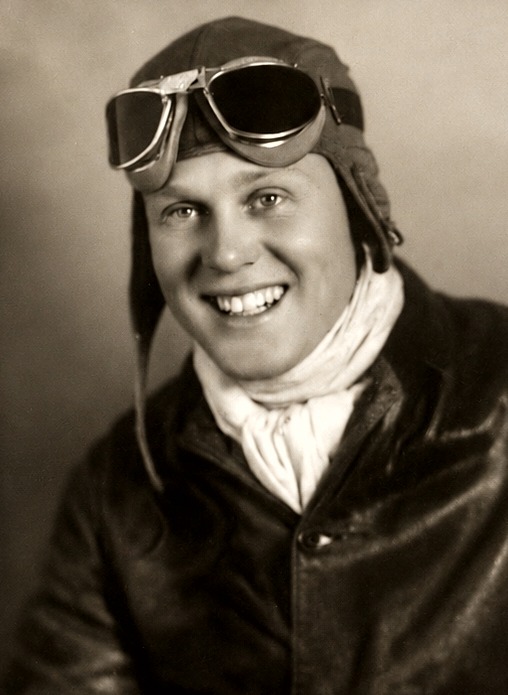
Lt. Col. James A. Philpott. First solo at 16, in a Velie Mono Coupe. What followed: TWA test pilot, 490th Bombardment Squadron command, Wright Field foreign-aircraft evaluation, KC-135 checkout at Edwards, AMPP president, retired TWA September 1972. Photographs in roughly chronological order.
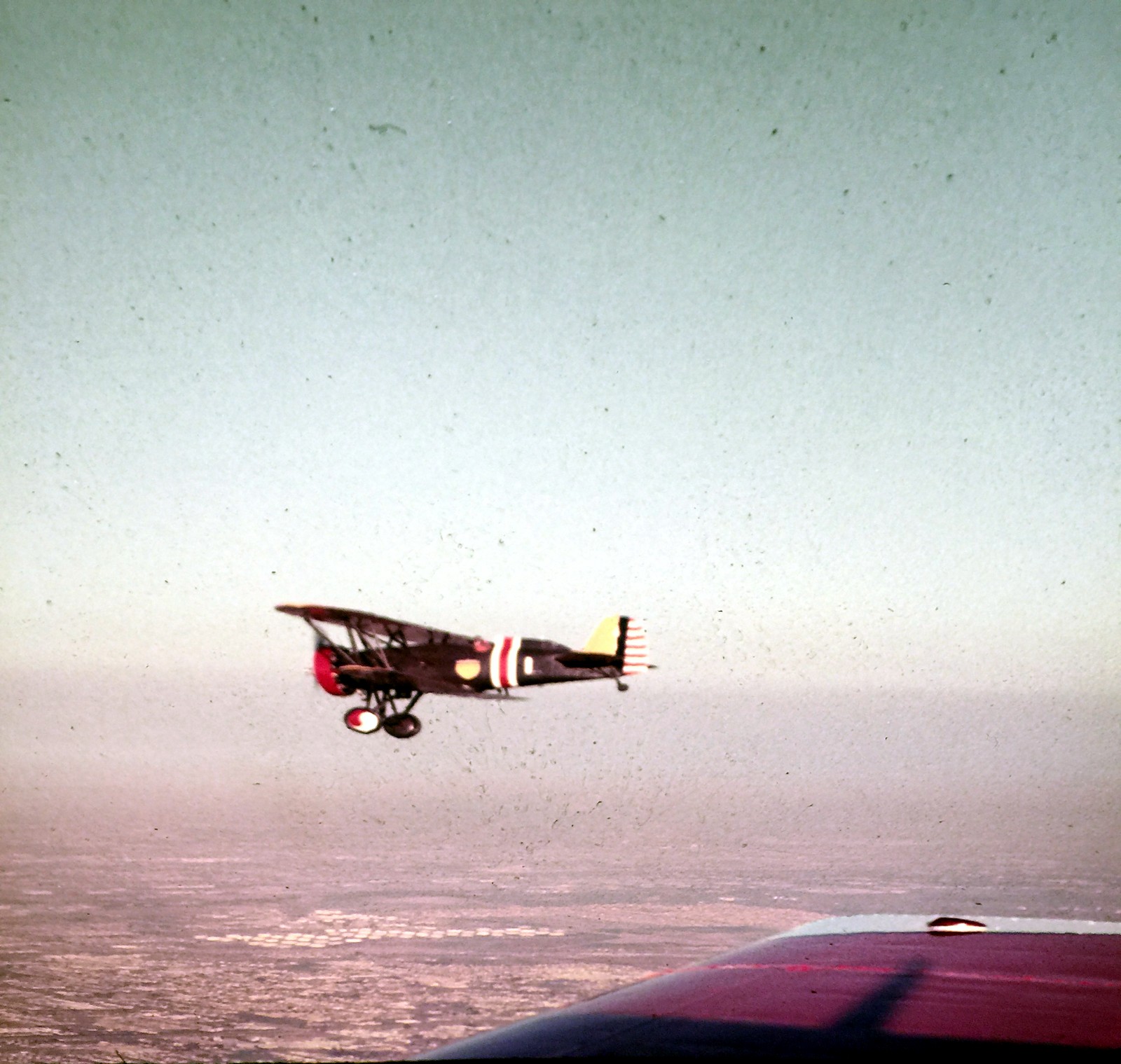
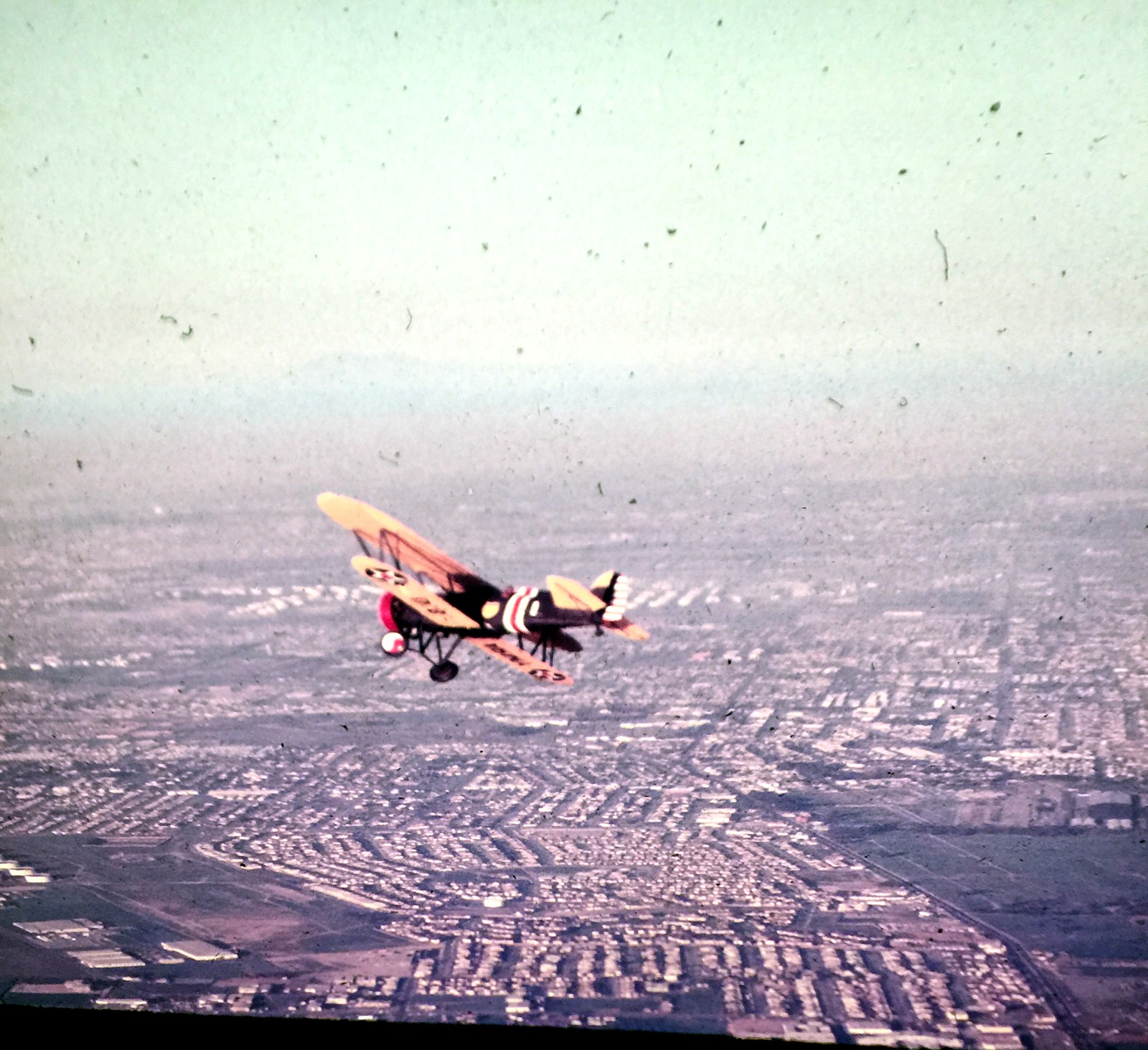
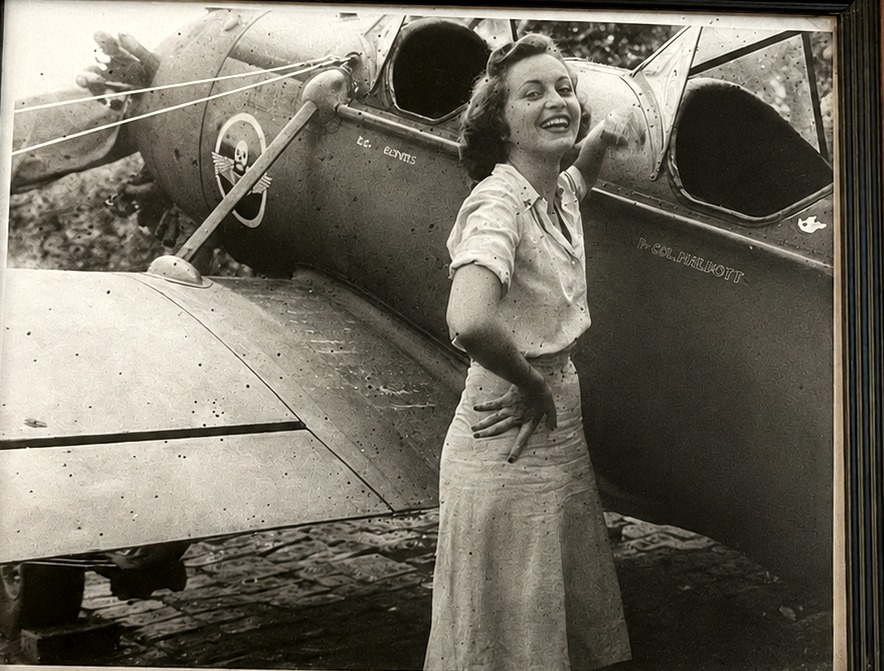
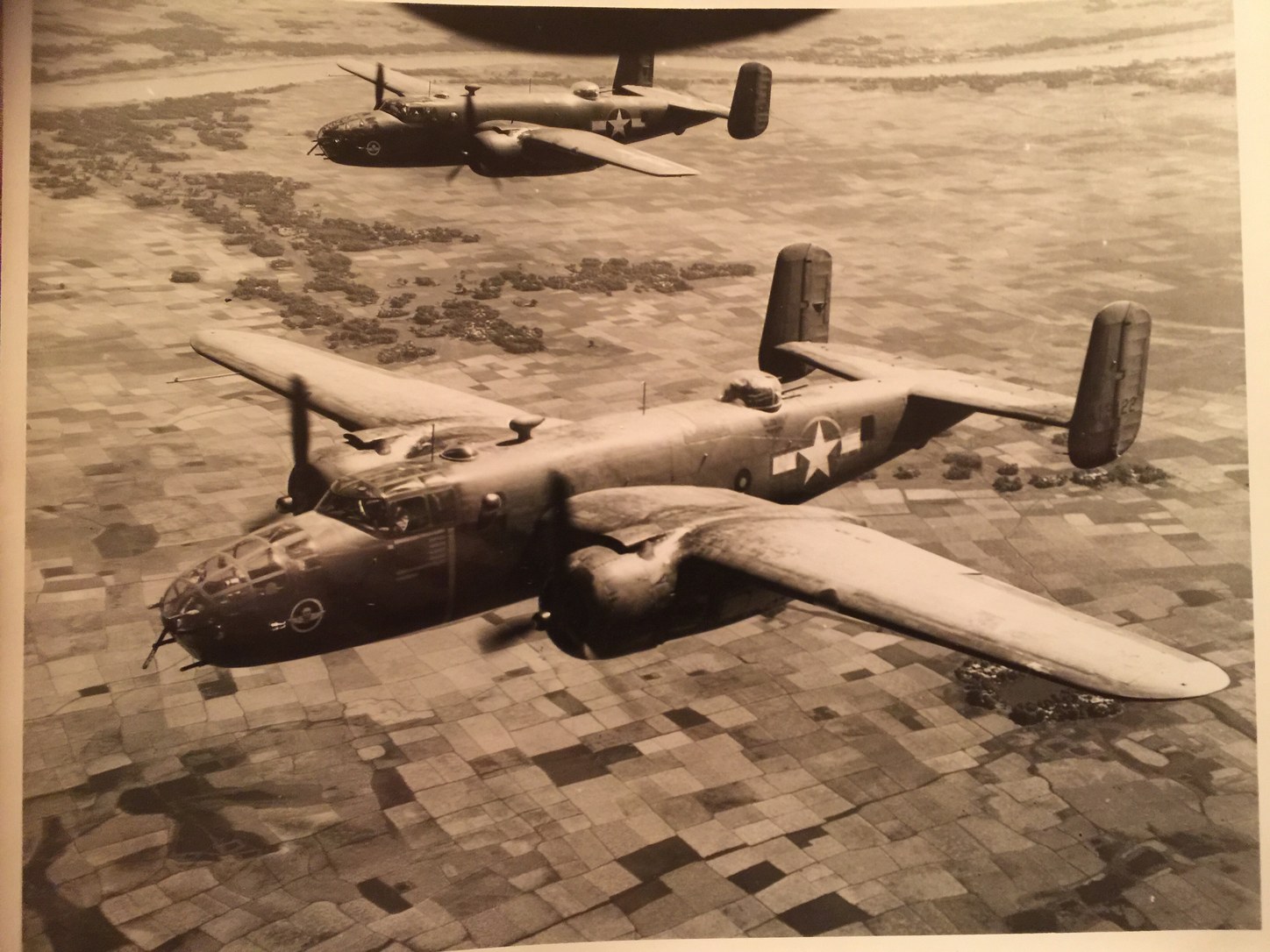
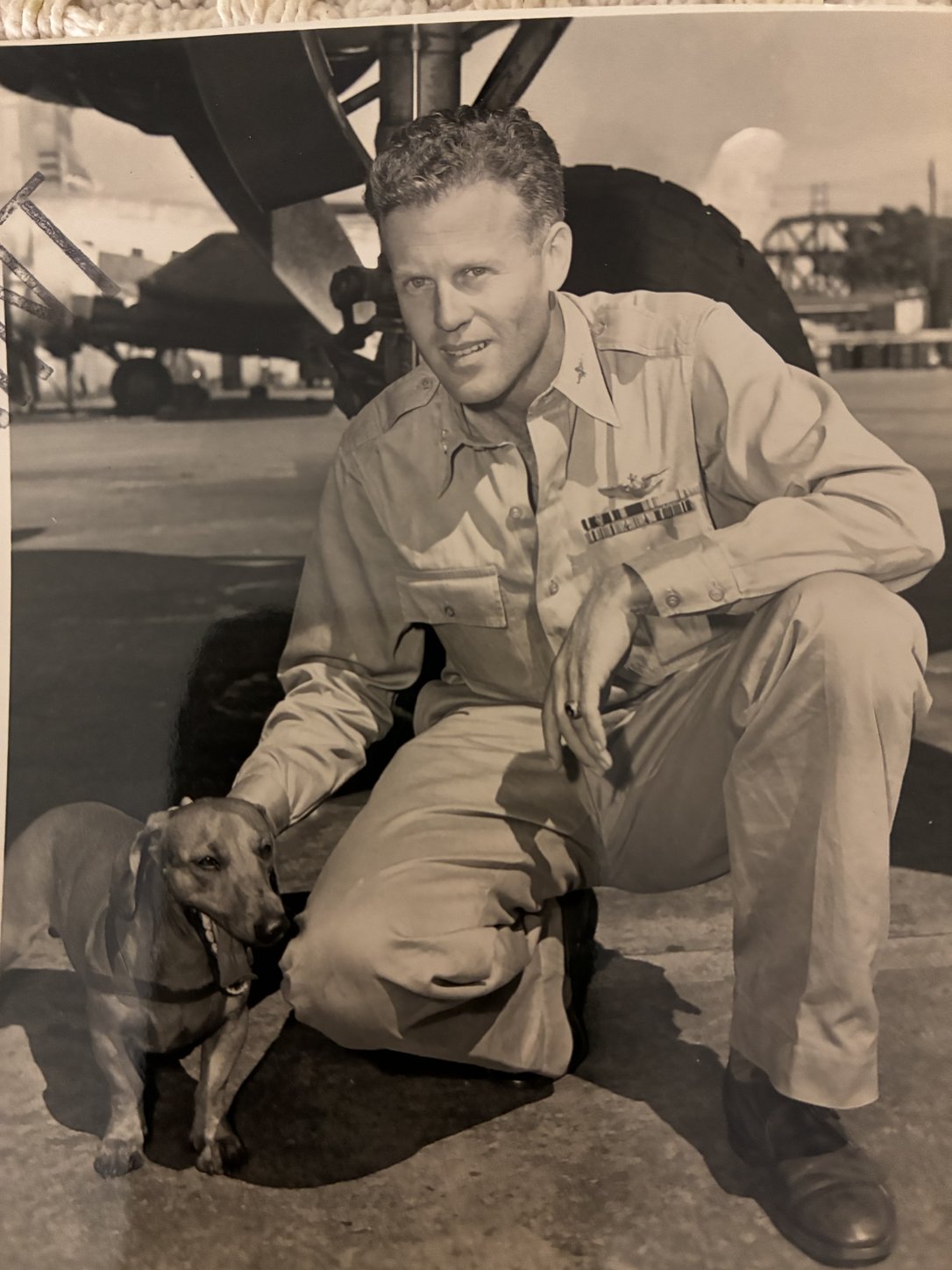
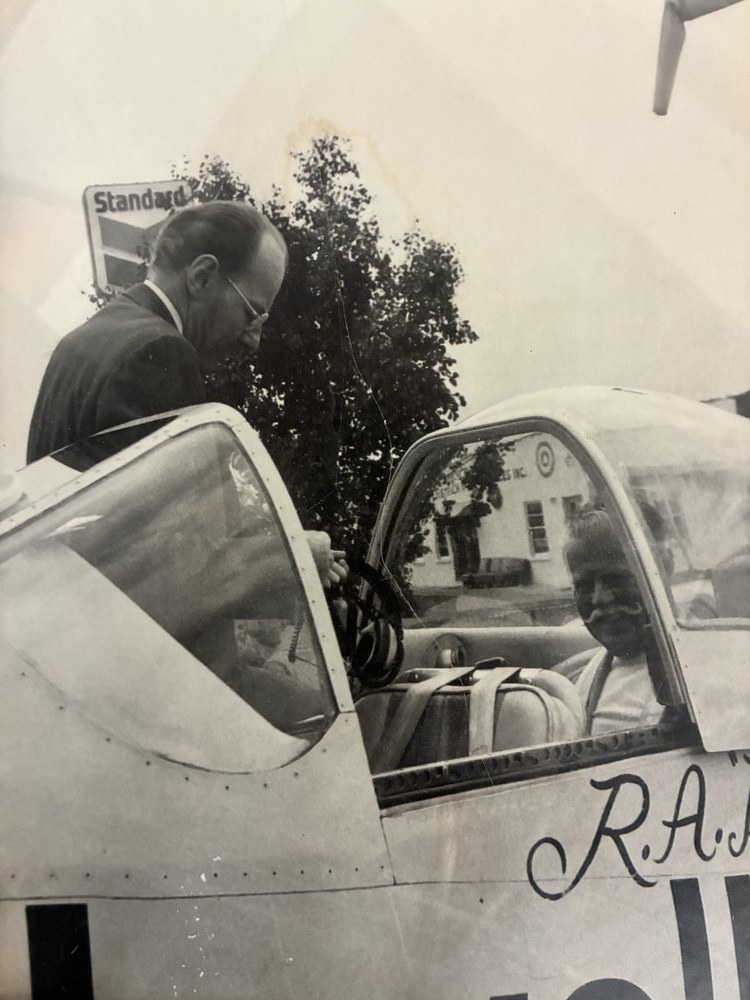
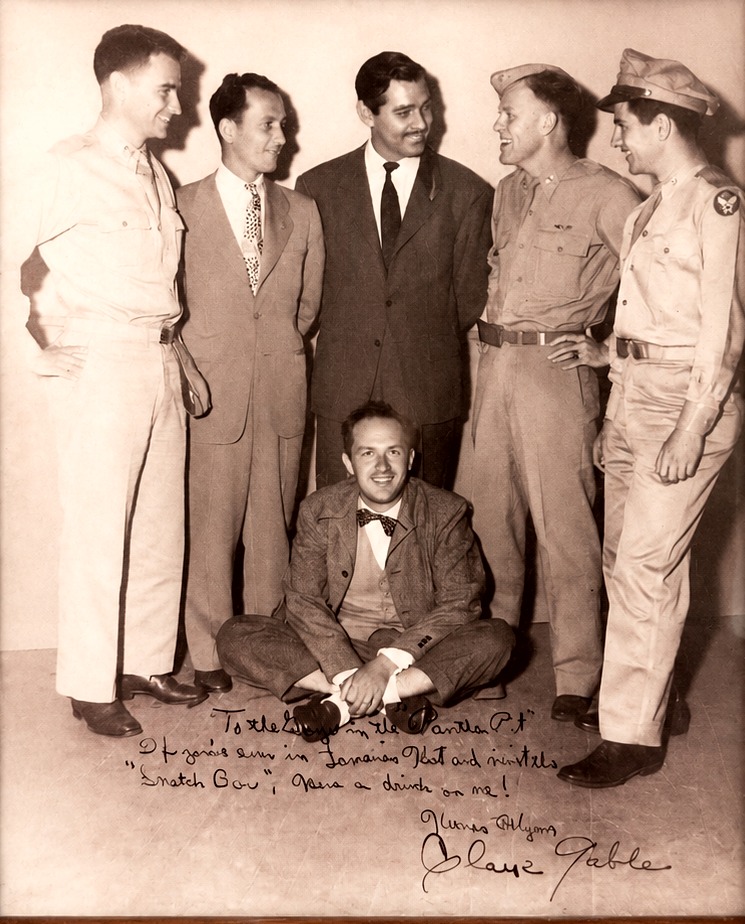
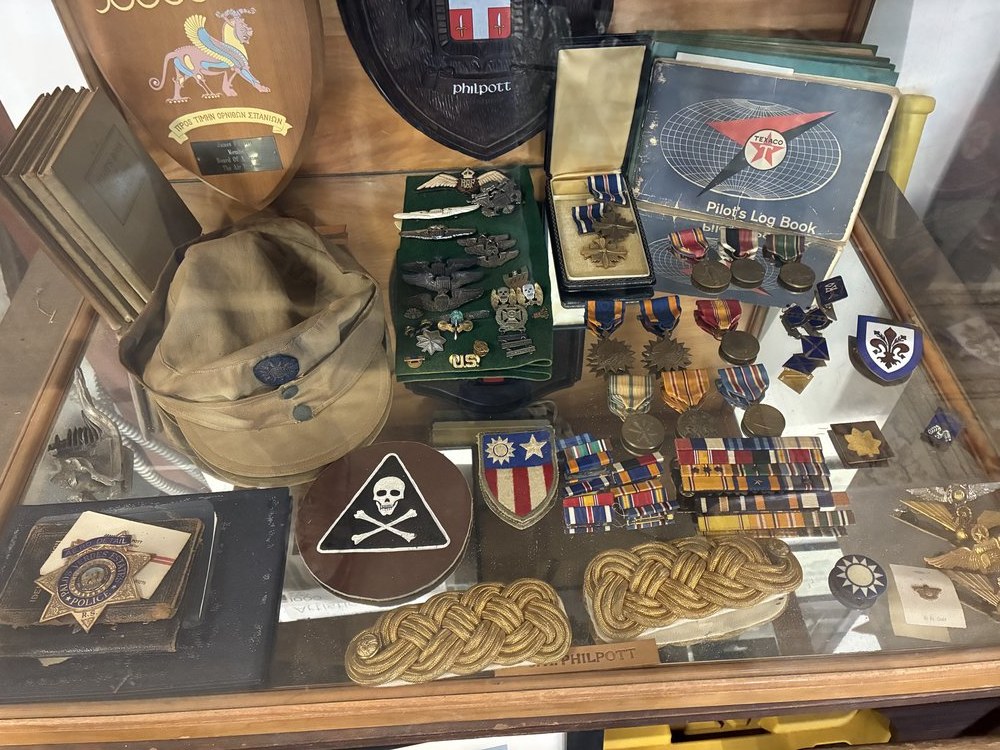
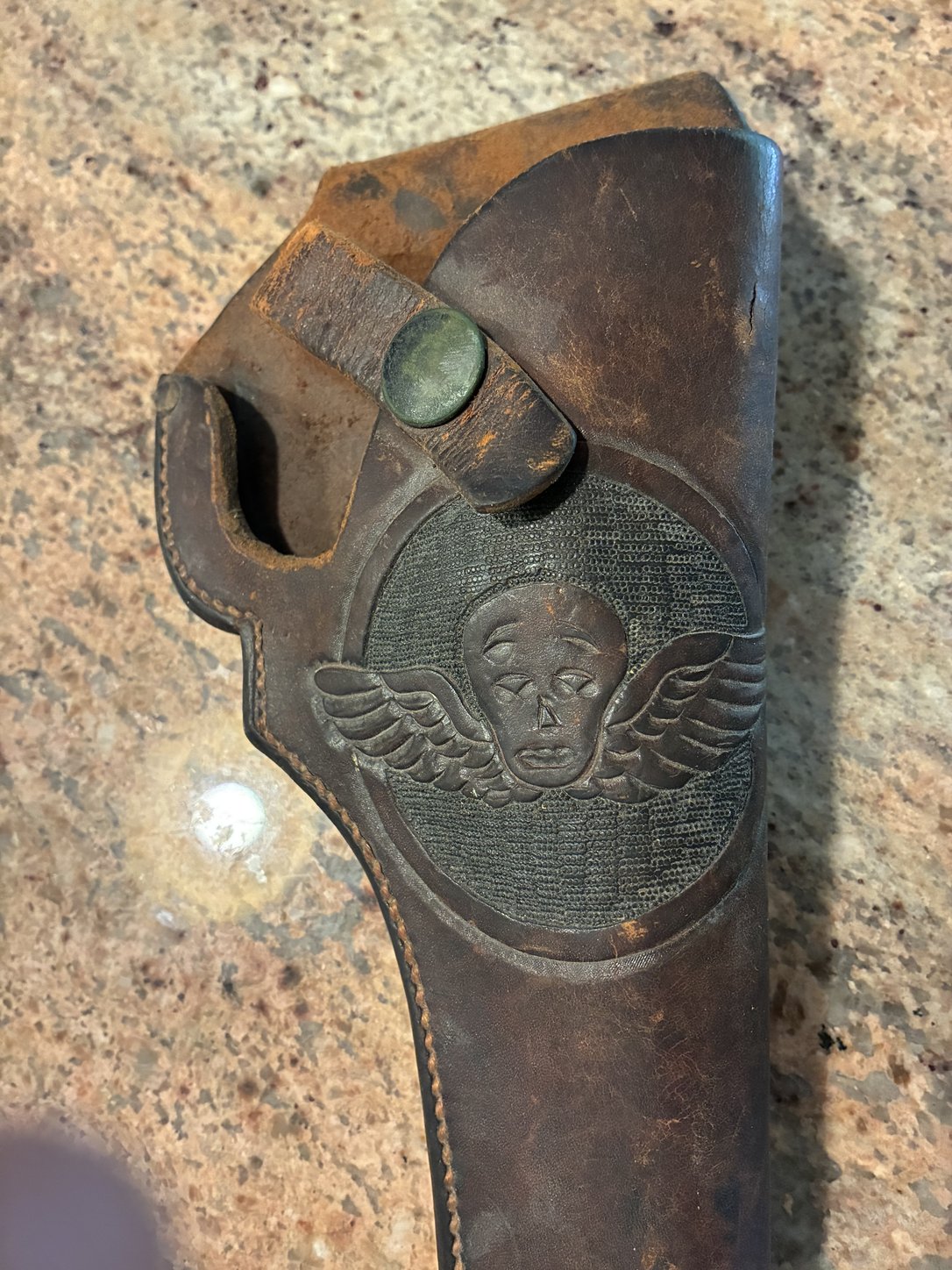
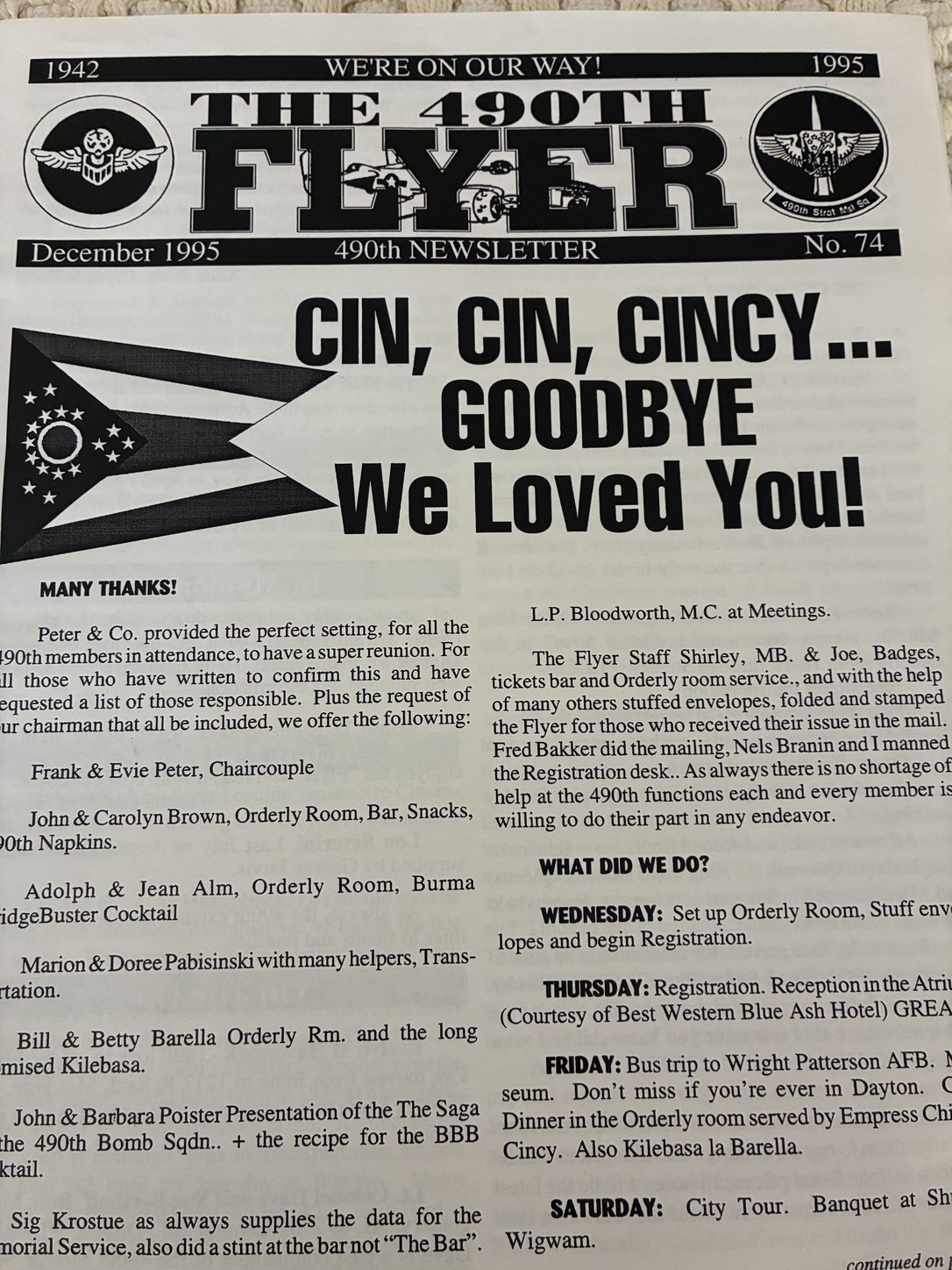
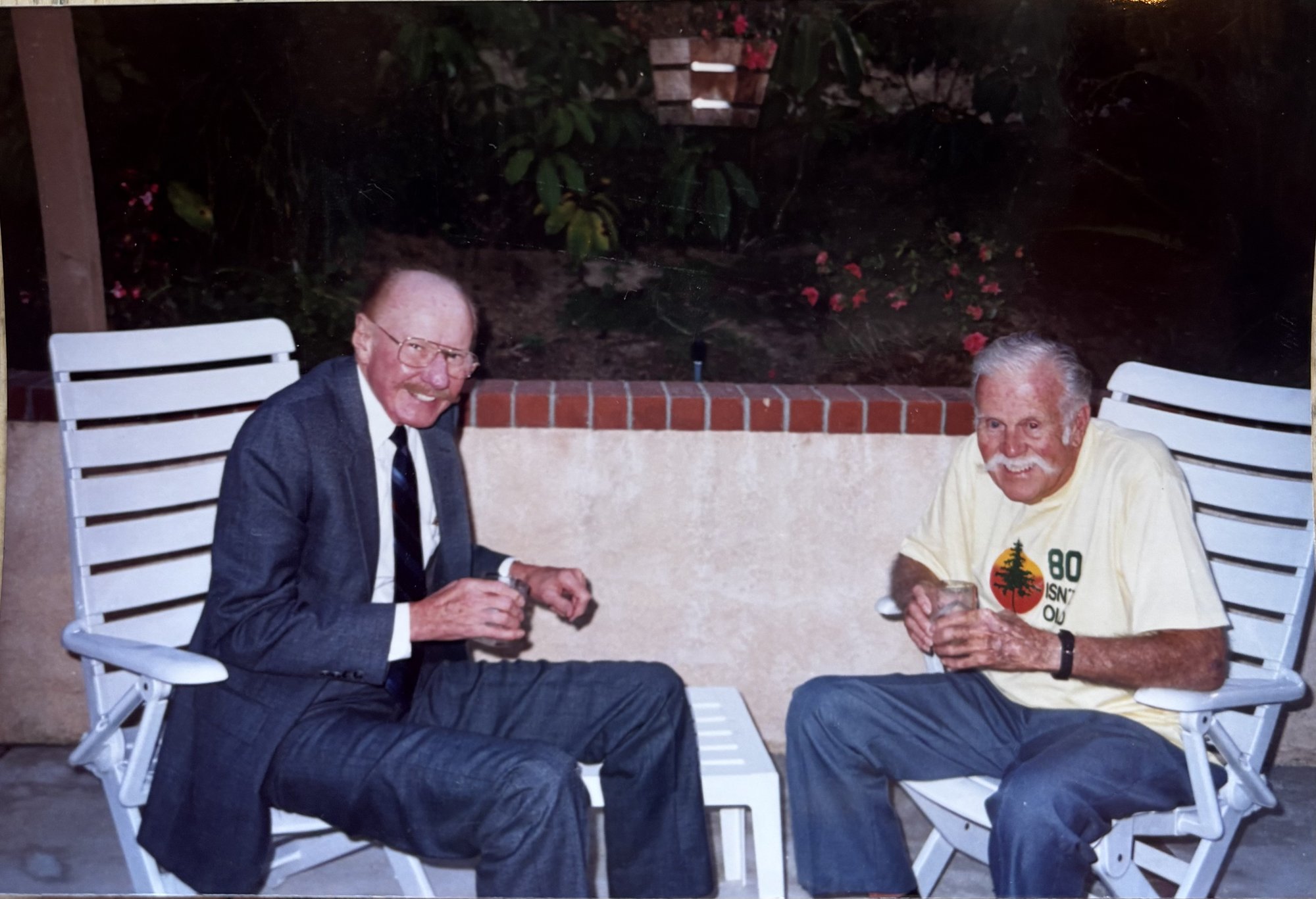
Grandpa Jim as a young aviator — leather helmet, goggles up, and the grin that ran four generations deep.A commemorative gift marking the 60th anniversary of his first solo on September 8, 1928.Honolulu, 1937. With an Arrow Sport at John Rodgers Airport during the Hawaiian Island Air Races era. Newly surfaced from Aunt Shelly's archive.Grandpa Jim in Hap Arnold's P-12C at Randolph Field — early Army Air Corps years.Air-to-air over the coast near Torrance — Grandpa Jim flying the Boeing P-12E, a 1930s Army pursuit biplane, caught from the chase plane's wing.The P-12E banking over the Torrance airport area, the L.A. basin hazy below — Grandpa Jim at the controls.The P-40 he named Beverly after his wife. The framed family copy carries the inscription: "To the only Beverly, From The Pilot."The Skull & Wings — designed by Eugene Clay as Grandpa Jim's personal insignia after Pearl Harbor. It flew on the nose of the Lockheed Hudson he ferried to China, then became the 490th's squadron emblem.Beverly with one of Grandpa Jim's airplanes — a wire-braced, open-cockpit monoplane wearing his personal Skull & Wings, 'Lt Col Philpott' lettered on the cockpit.490th Bombardment Squadron in formation. He took command October 20, 1942.Two 490th B-25 Mitchells over the patchwork paddies of the China-Burma-India theater, caught air-to-air from the formation. The near ship is #22 — the Flagship of the Skull & Wings, Grandpa Jim's command airplane, with Jim himself at the controls.Grandpa Jim and Beverly with the B-25 Flagship of the Skull & Wings — his command ship, painted with war-bonds tour stops on the nose. Beverly visited him at one of them.Grandpa Jim with Bosco, the flying dachshund — his four-legged crew member, at the main gear between flights. When Jim went overseas, Bosco held down the home front with Jim's mother.The 490th 'Burma Bridge Busters' — a North American Aviation B-25 ad that ran in Life magazine, February 5, 1945, saluting the Skull & Wings squadron.Wright Field. Late-war Foreign Aircraft Evaluation — flight-testing a captured Japanese Zero against US fighters.Grandpa Jim in Bob Hoover's P-51 Old Yeller at an airshow. The Hoover friendship began at Edwards in the post-war years.Grandpa Jim and Pancho Barnes at an OX5 Club function — the club for pilots of the Curtiss OX-5 engine era, ribbons and all. Barnes founded the Associated Motion Picture Pilots; he would later lead it.Grandpa Jim at an Associated Motion Picture Pilots event — the Hollywood stunt-pilot guild he served as president. Actor Richard Widmark is among the group.Another AMPP gathering — Clark Gable (center), with Grandpa Jim standing just to his left. Gable was a fellow flyer in the Hollywood pilots' circle.A TWA airframe from his line-pilot years. Hired 1940, retired September 1972.Military medals and squadron insignia in the family display case.The Skull & Wings, tooled into leather — Grandpa Jim's own holster, carrying his personal insignia.The 490th Flyer, December 1995 — the squadron's reunion newsletter, still going fifty years after the war, Skull & Wings on the masthead. The same month this issue went out, my mom was ferrying a Y-12 over the Hump — flying the squadron's old route while its veterans raised a glass in Cincinnati.Grandpa Jim and Bob Hoover at Jim's 80th birthday — two pals having a cocktail celebration. The shirt says it best: 80 isn't old.
The Hollywood Stearmans
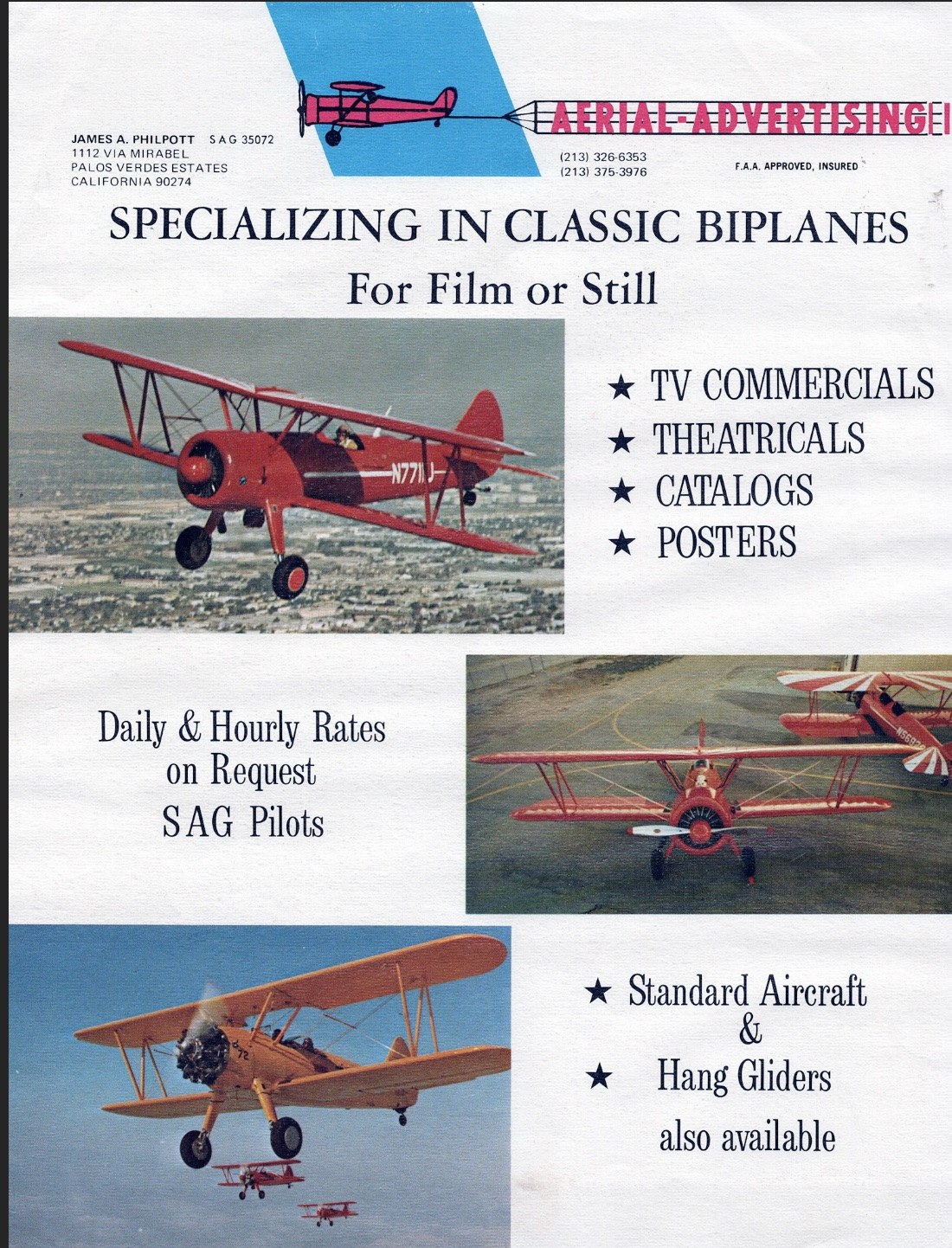
Before the airline years, the family ran an aerial-advertising business out of Torrance Airport. Boeing Stearman PT-17 biplanes in red-and-white sunburst paint, working banner-tow, sky-typing, and TV commercial film aviation.
Grandpa Jim and Captain John Philpott with the family Stearman PT-17. The visual hand-off between Generation 1 and Generation 2.The family Stearmans, Hollywood aerial-advertising era — original red-and-white sunburst paint.The 'Wingwax' racer at Torrance Airport — a T-6 that Grandpa Jim and Perry Brown (Beverly's brother — Air Force officer, later a United pilot) modified for racing, pulling the engine and fitting an inverted Ranger in its place. Built to be flown by Jackie Cochran for the Cleveland Air Races.
Captain John
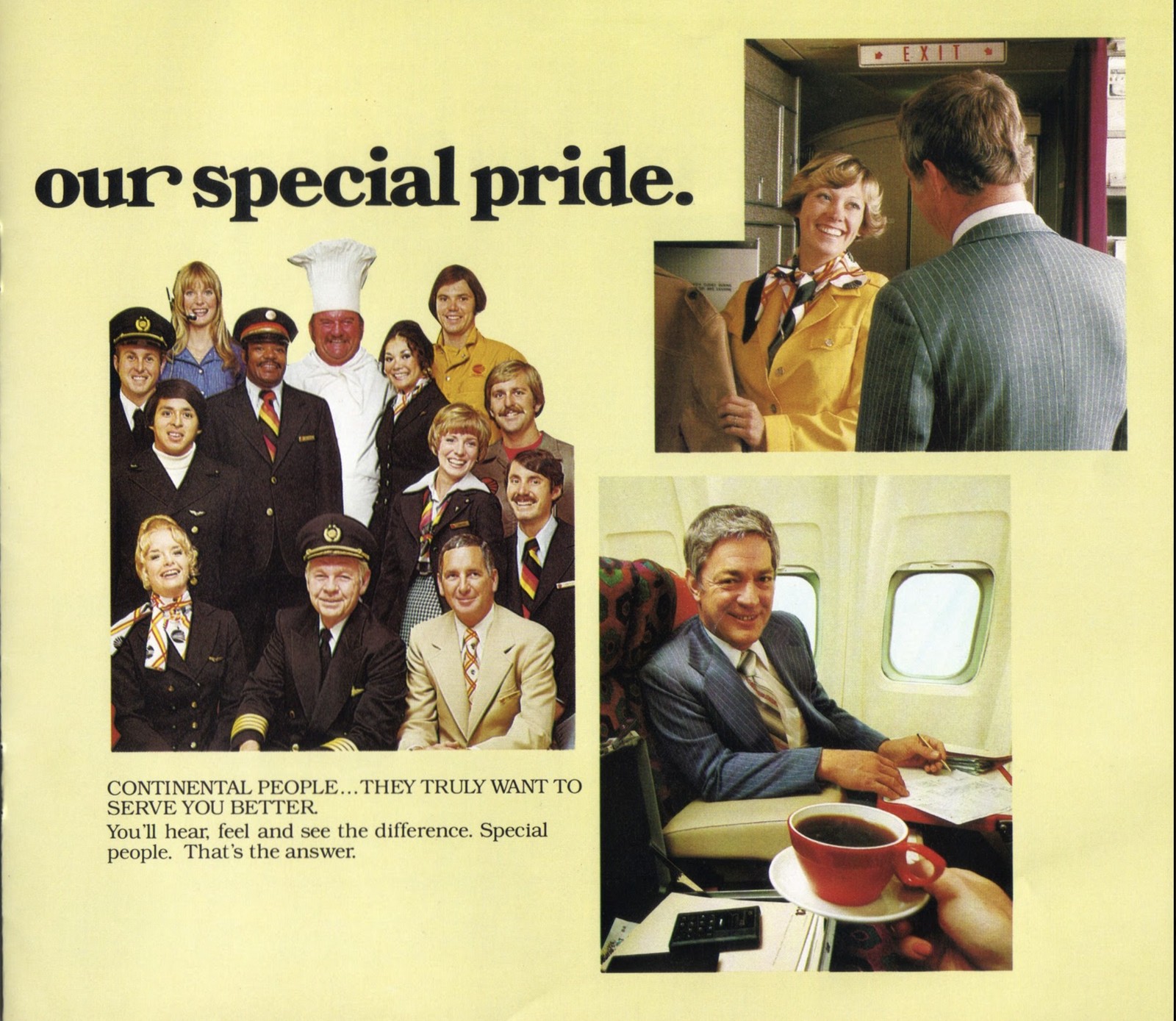
My grandfather. Aerial Advertising → Sierra Pacific Airways → Continental Airlines, hired October 1972, retired #1 on the seniority list 42 years later. Line Check Airman, A&P-licensed mechanic, six transport types flown across four decades.
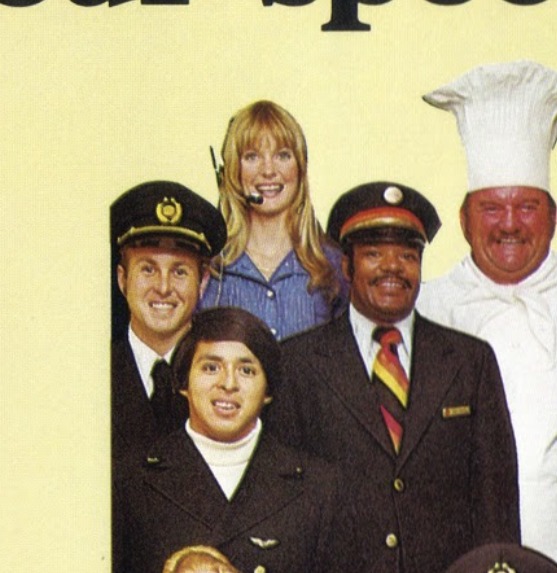
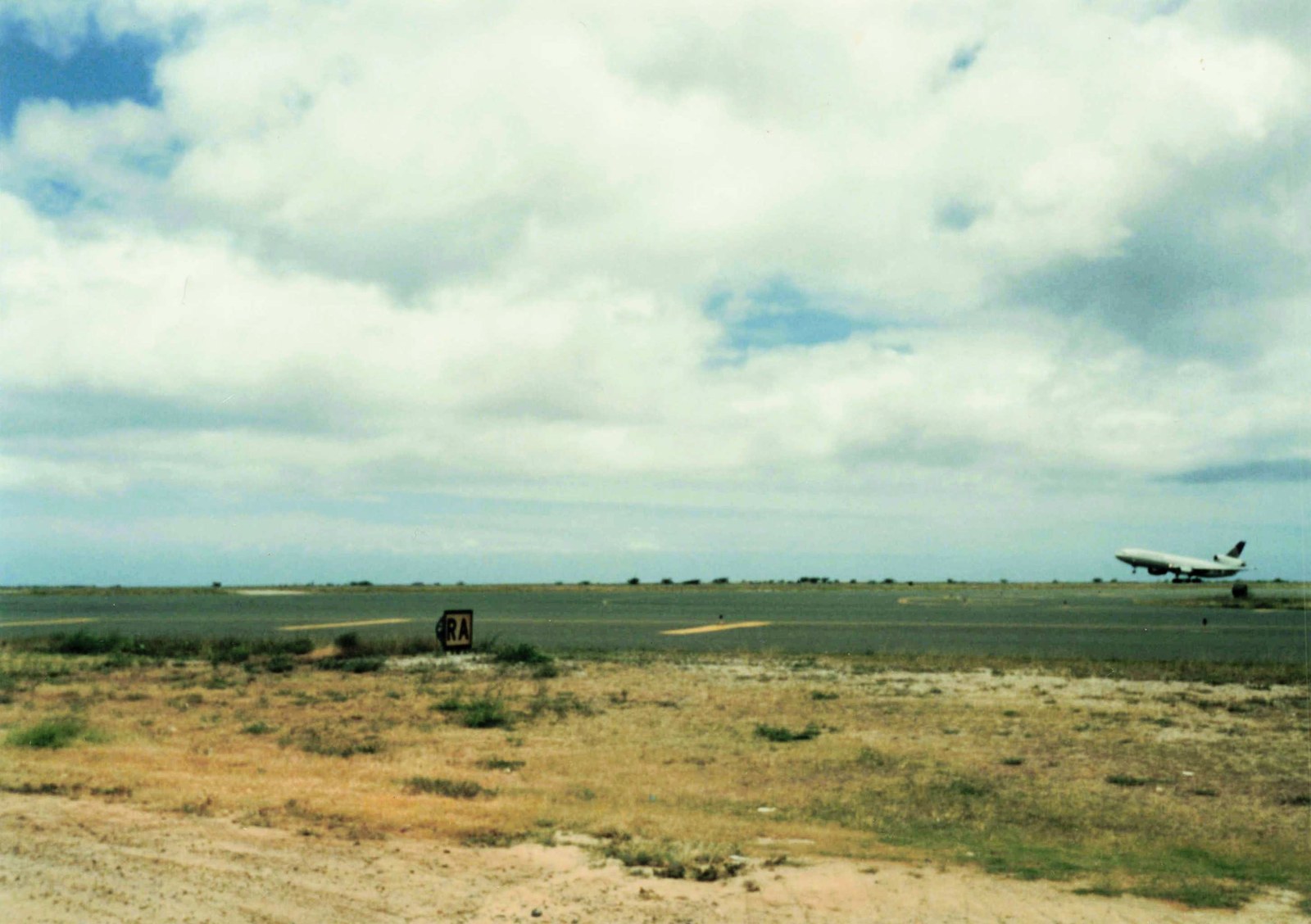
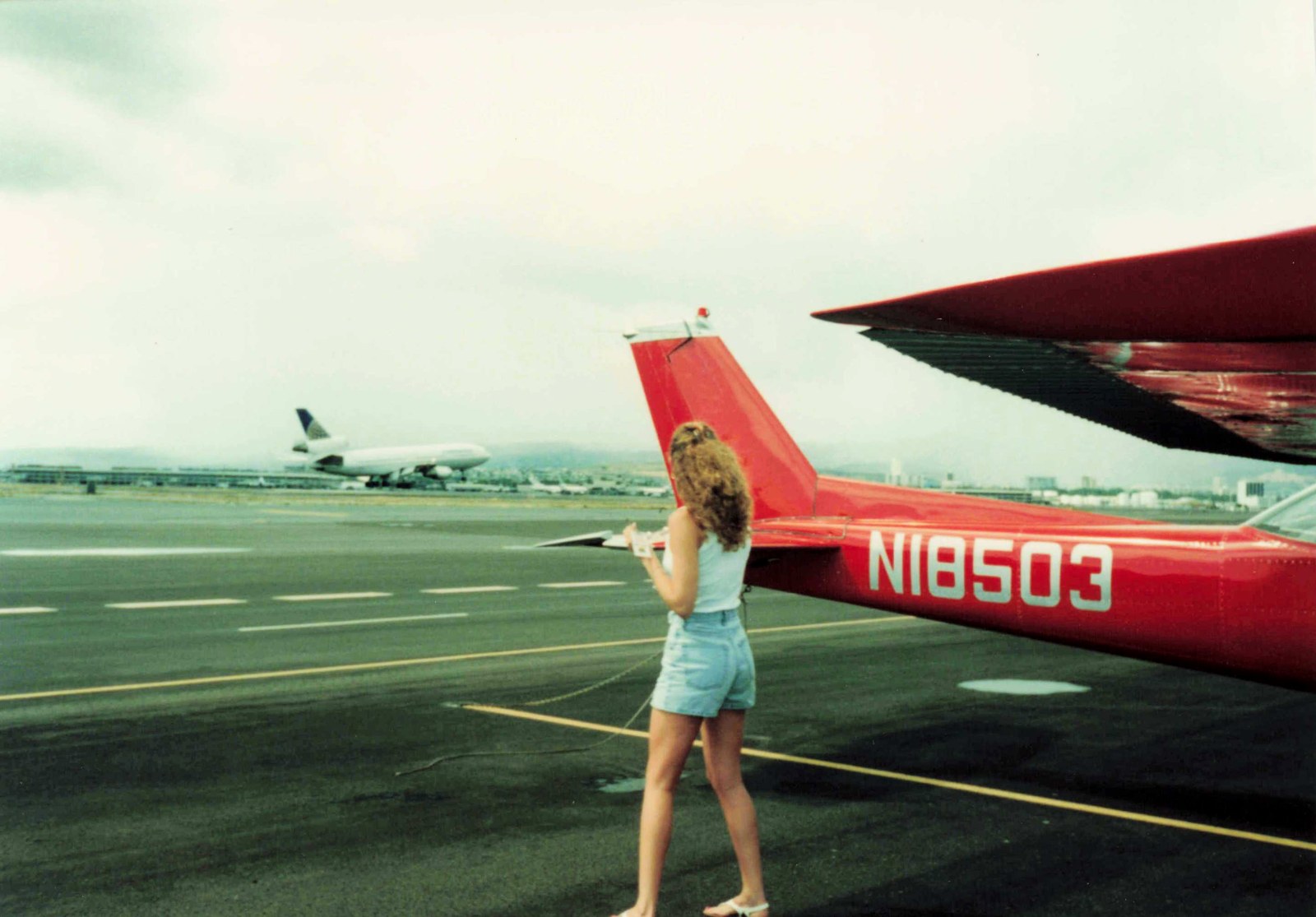
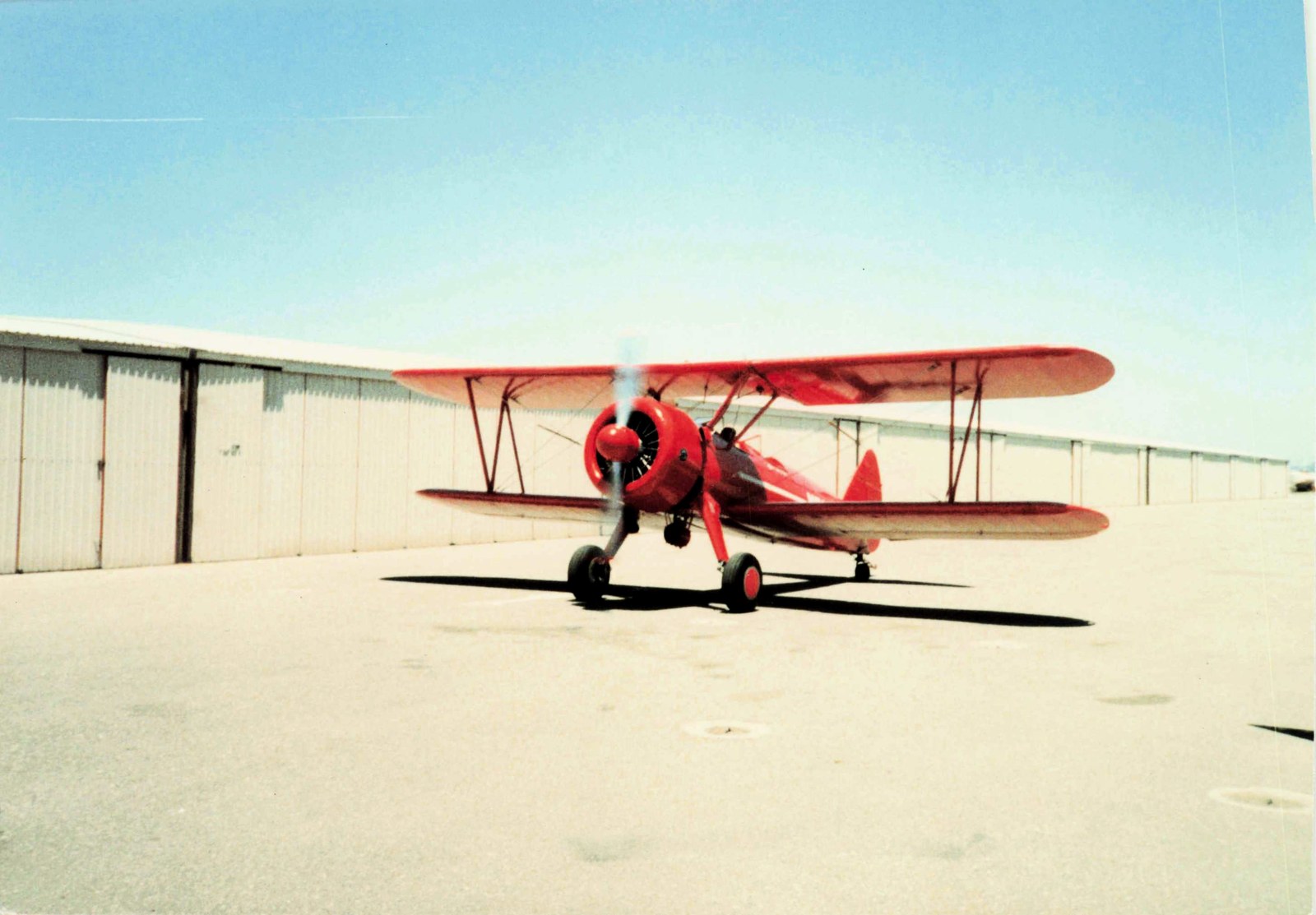
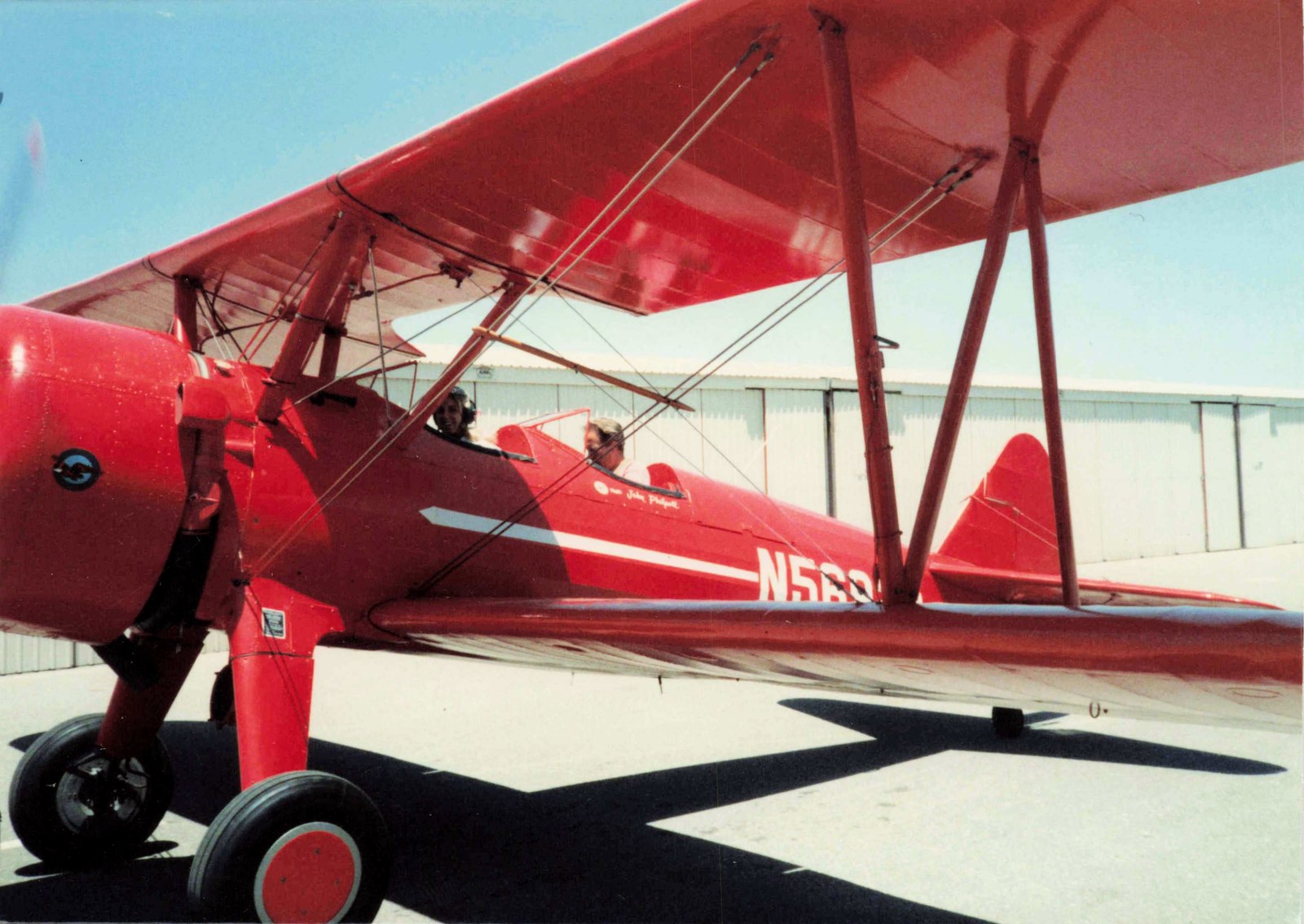
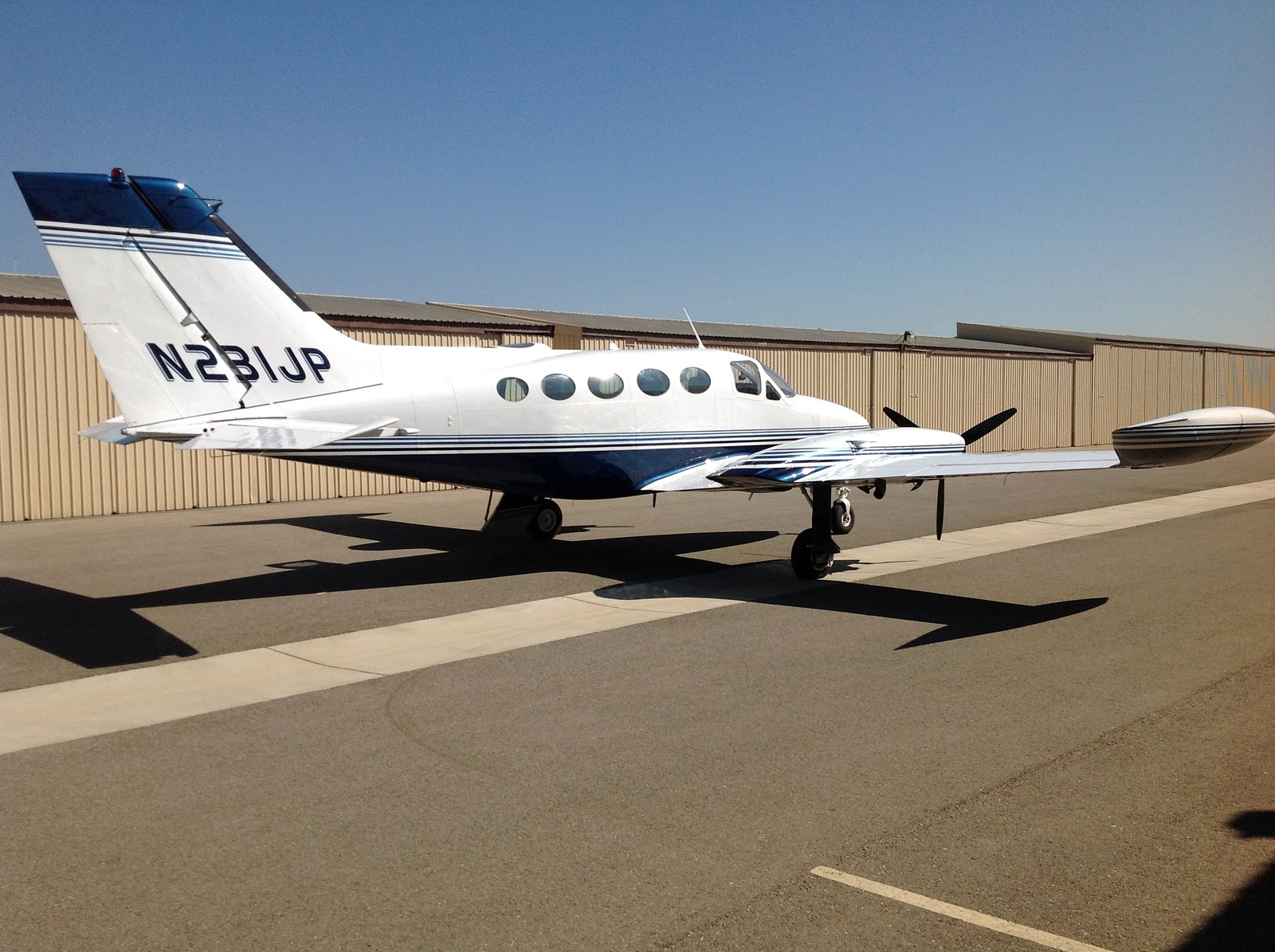
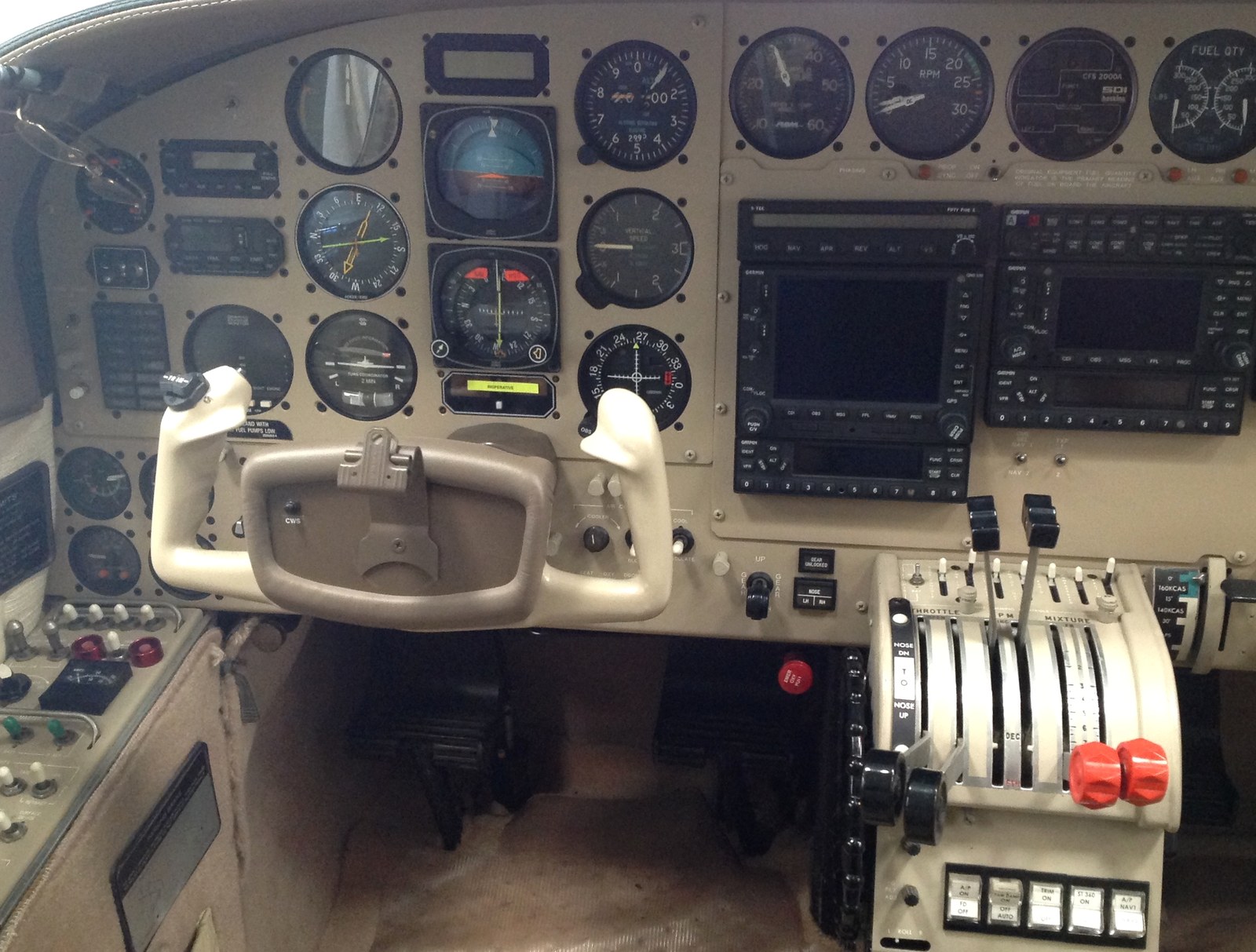
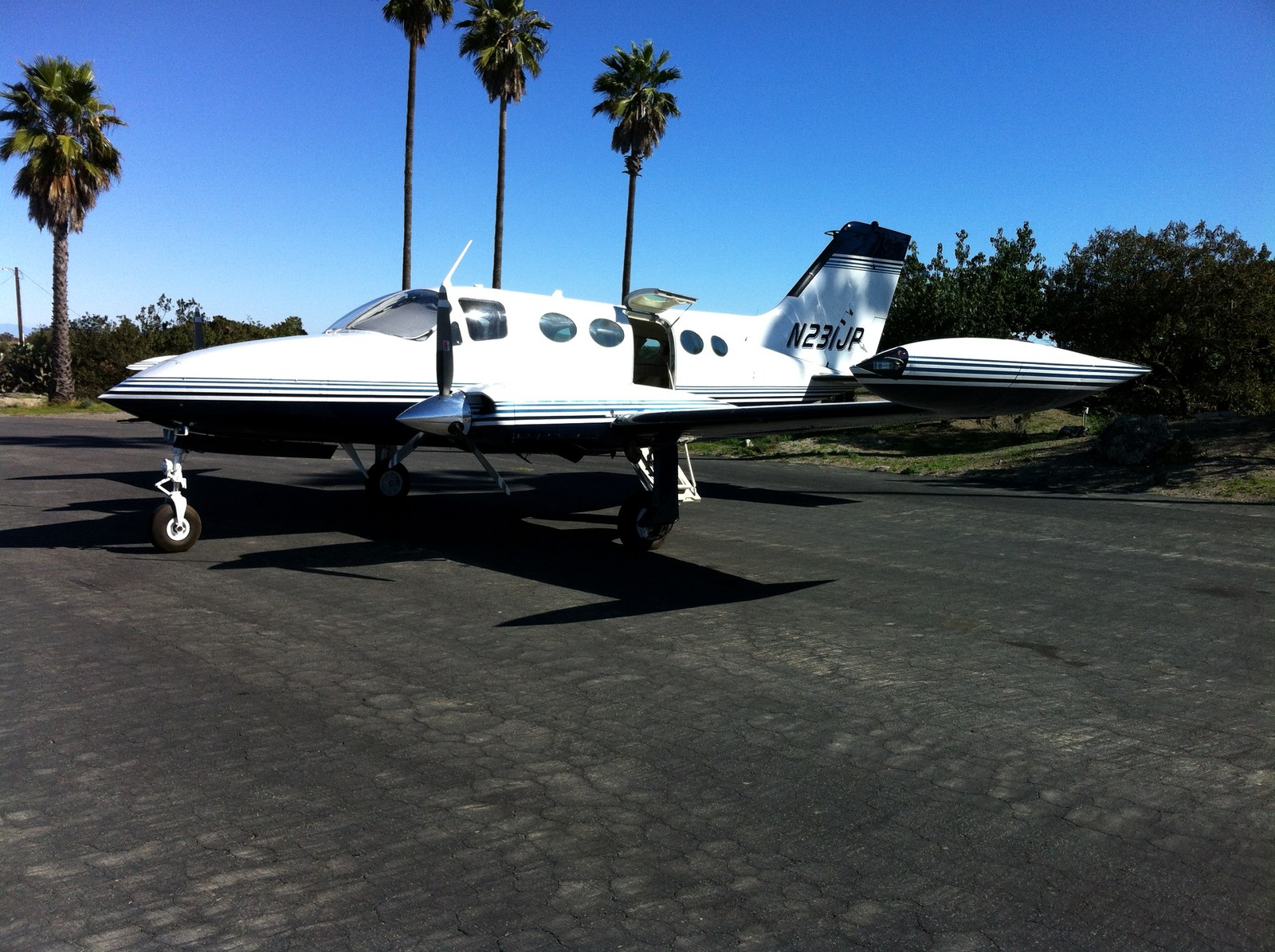
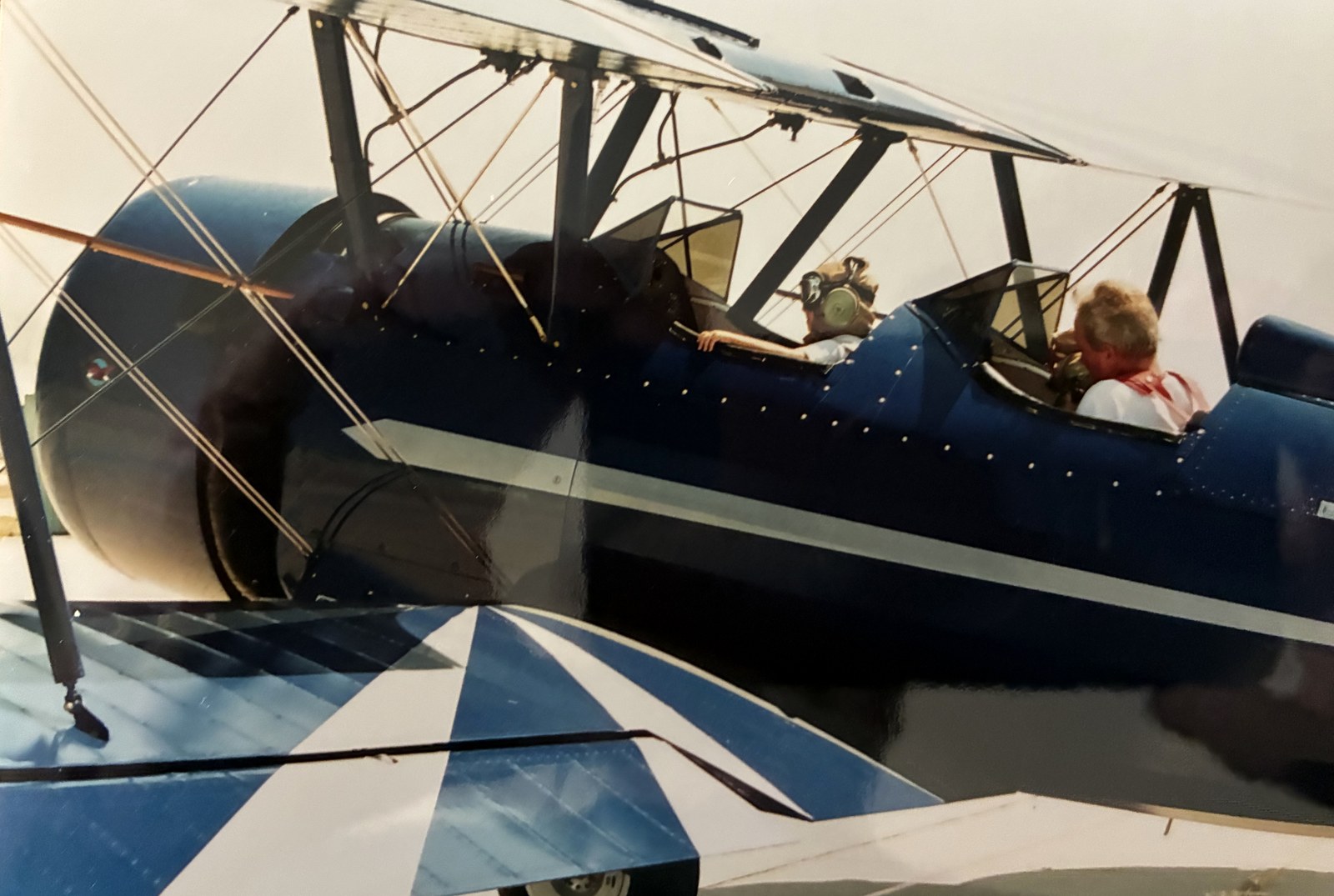
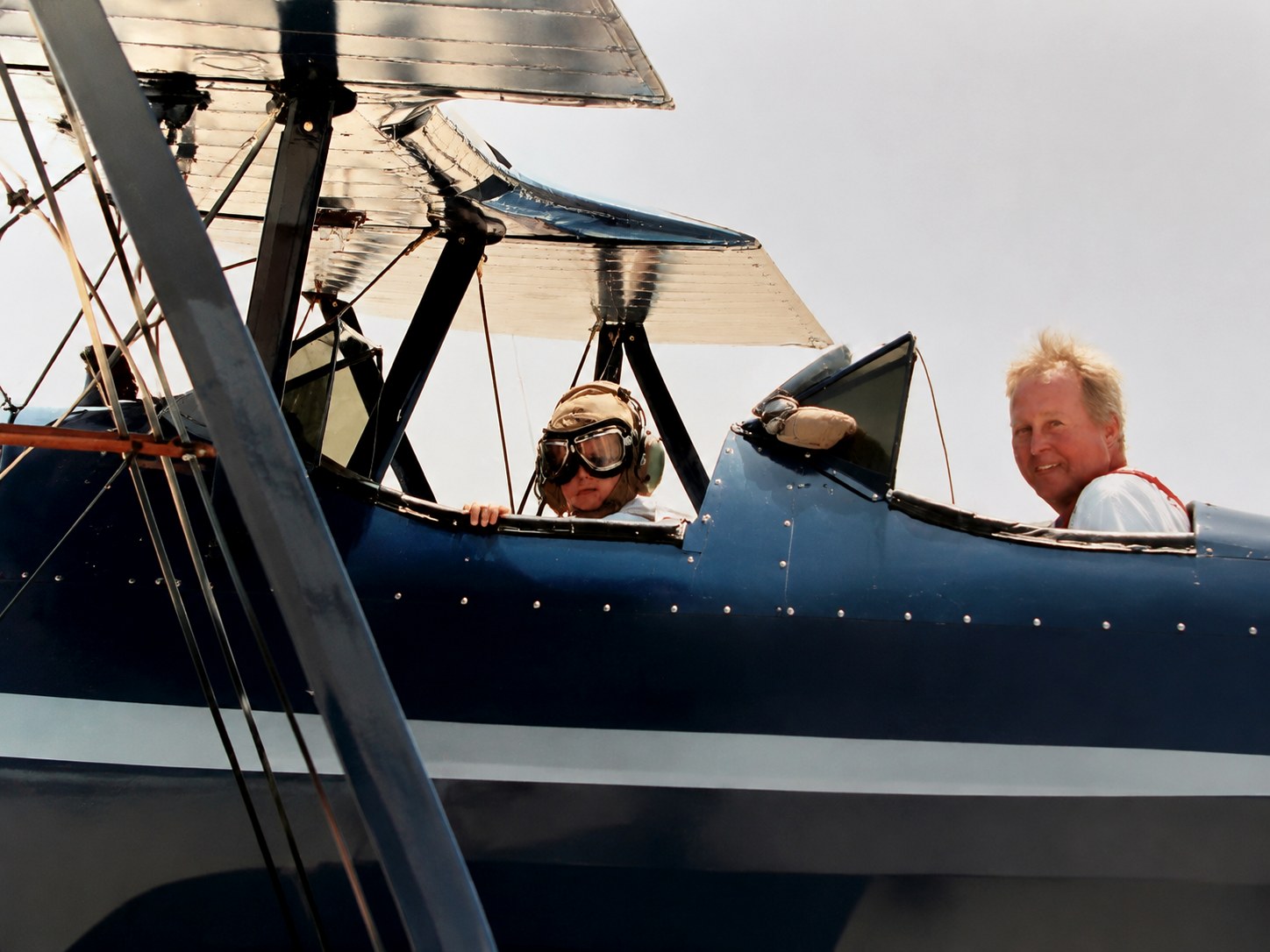
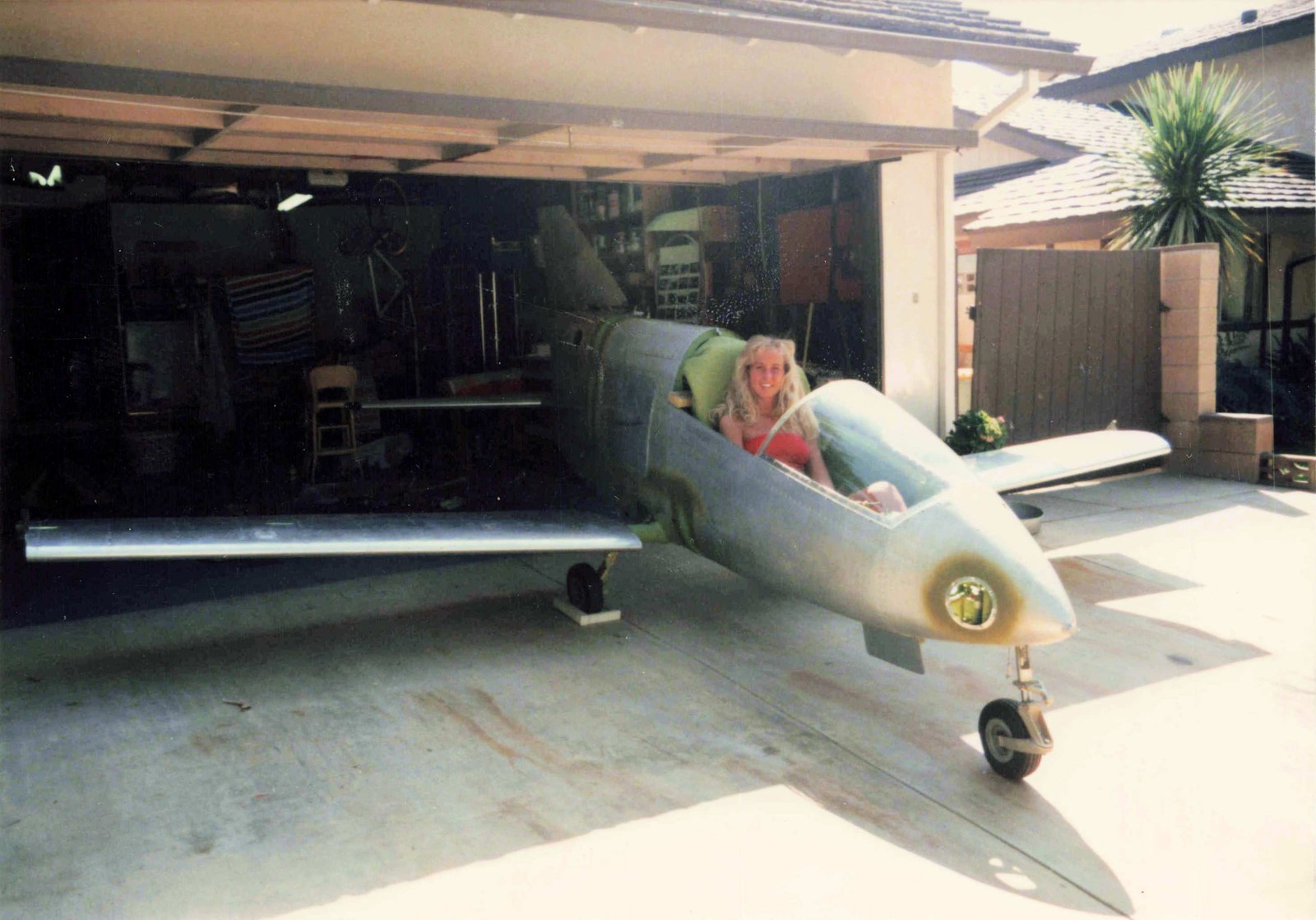
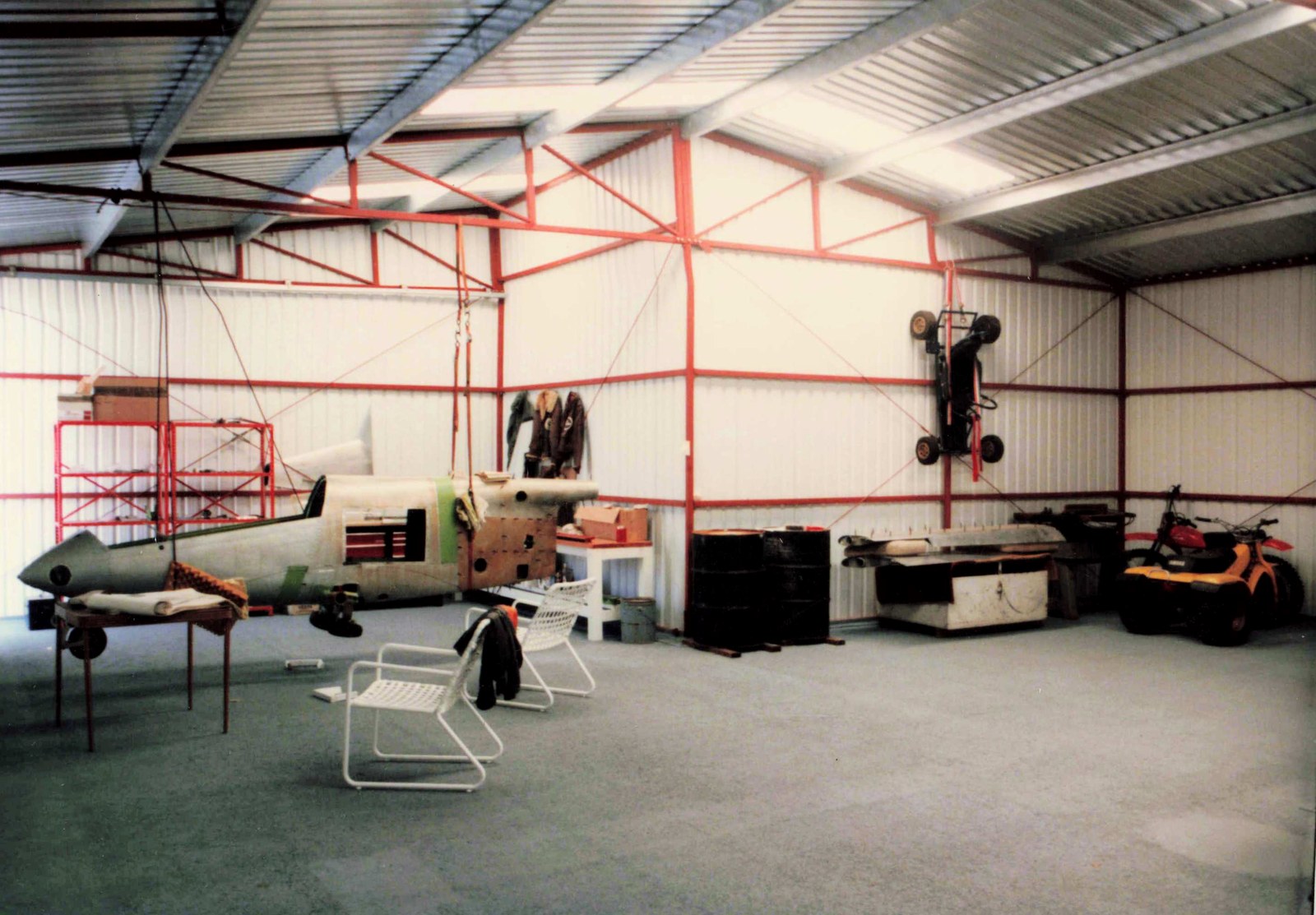
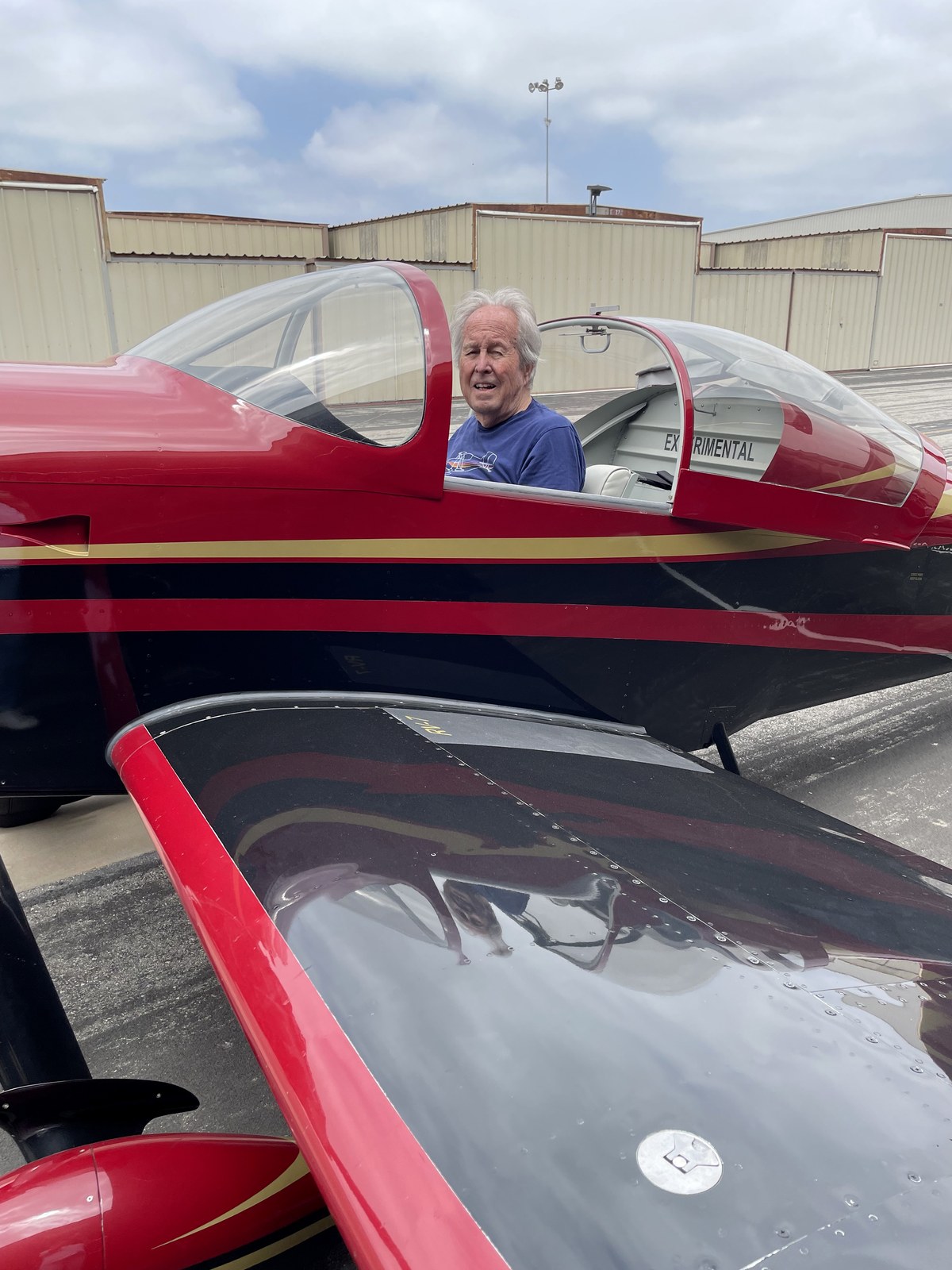
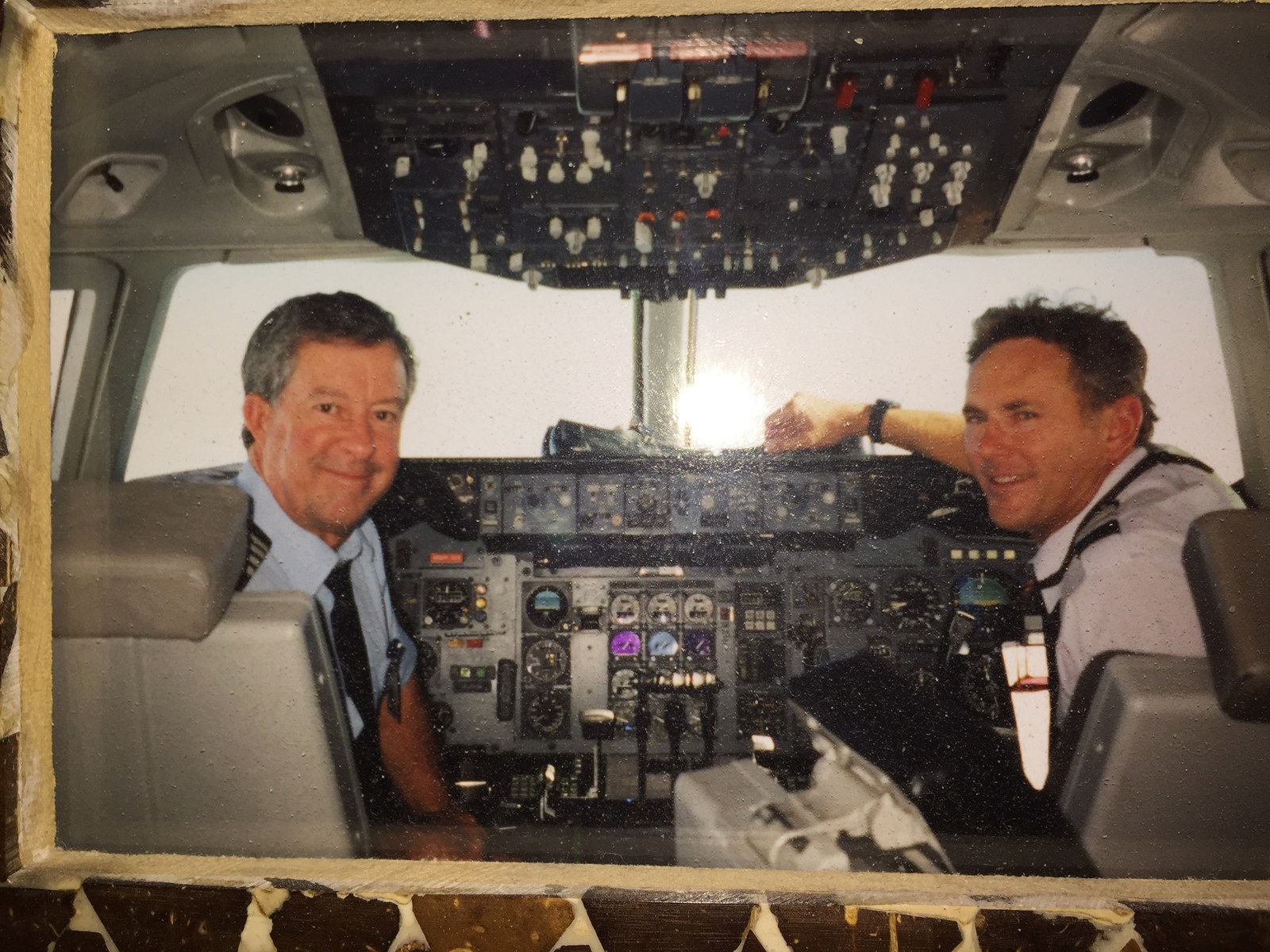
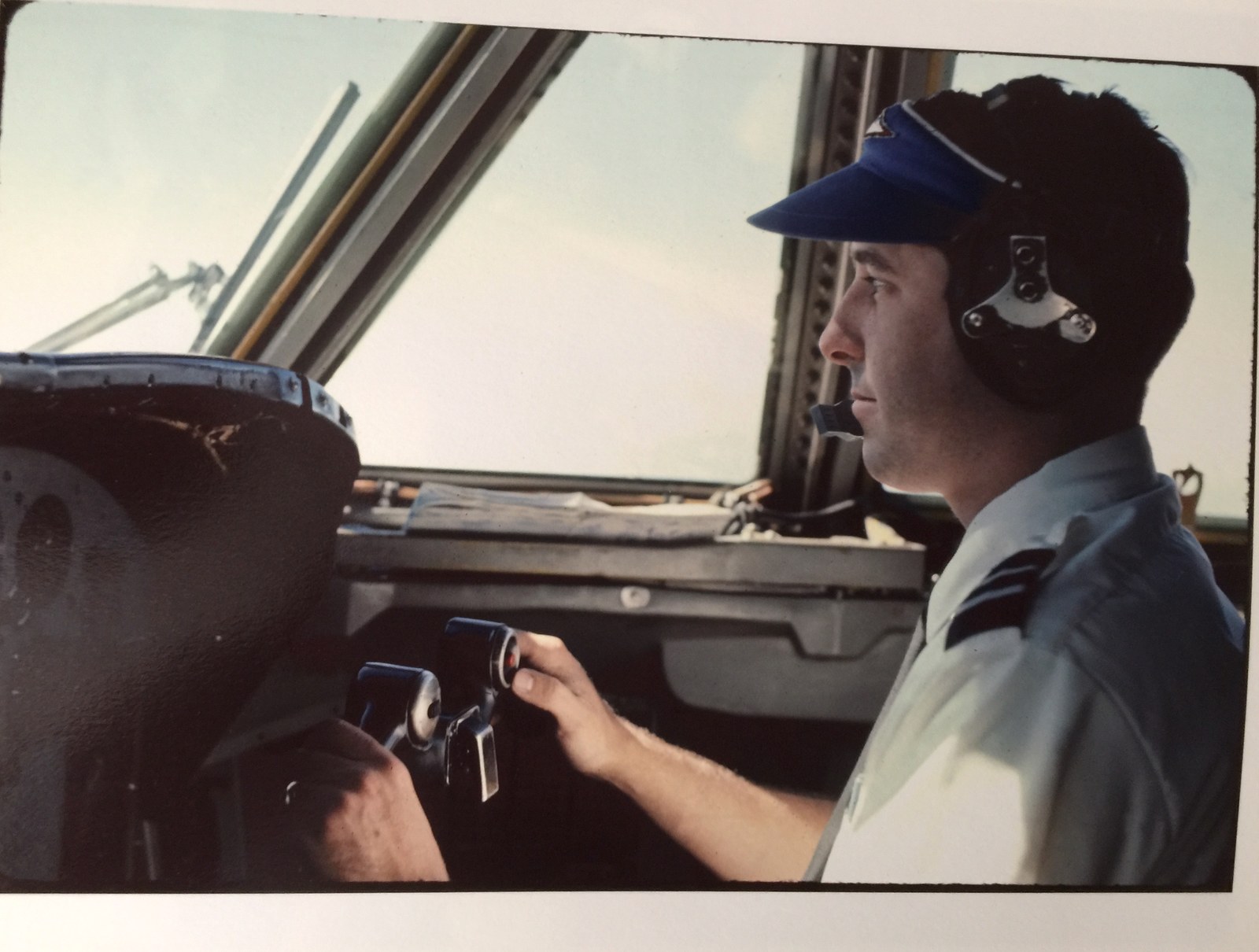
Fresh out of new-hire training in the early 1970s — a 23-year-old Continental first officer, top row far left, in the airline's 'our special pride' crew brochure.Continental's 'our special pride' inflight brochure — the whole crew, flight deck to galley. John's just a new hire here; he'd retire 42 years later as #1 on the seniority list.Captain John lands the Continental DC-10 on Honolulu's runway 4R — one of the widebodies of his Continental years.Honolulu, the same arrival — his daughter Kristen watches from the ramp while Micki takes the photo. Dad had flown the trip out to visit his daughters in Hawaii.Captain John's red Stearman at the Camarillo hangar, engine lit and ready to taxi — the family 450-HP biplane in the red scheme it wore before John re-covered it himself in blue.Two generations in one airplane — Captain John in the back seat, his name lettered on the side, and daughter Micki up front. The family Stearman at Camarillo.The family's Cessna 414, N281JP — a pressurized piston twin — on the Camarillo ramp, ready to taxi out.Inside the 414 — the full panel, twin yokes, and the throttle quadrant for its two Continental engines.The 414 parked among the palms at Catalina — the classic fly-in-for-lunch run across the channel.Captain John and a young Connor in the family Stearman — grandson up front, Papa John in the back seat. The blue-and-silver is the re-cover John did himself.Goggles down, ready to go — Connor and his grandfather in the Stearman. Two generations, one biplane.A BD-5 — the tiny single-seat homebuilt kit John was building, taking shape here in the shop. The A&P always had a project going.The BD-5 further along, out in the driveway — my mom folded into the one-person cockpit. He sold it before it ever flew.Captain John in his RV-7, N320CP — the red, black, and gold scheme Babs designed. Retirement just means more time to fly.
Uncle Tom — married into the family, flying all his own
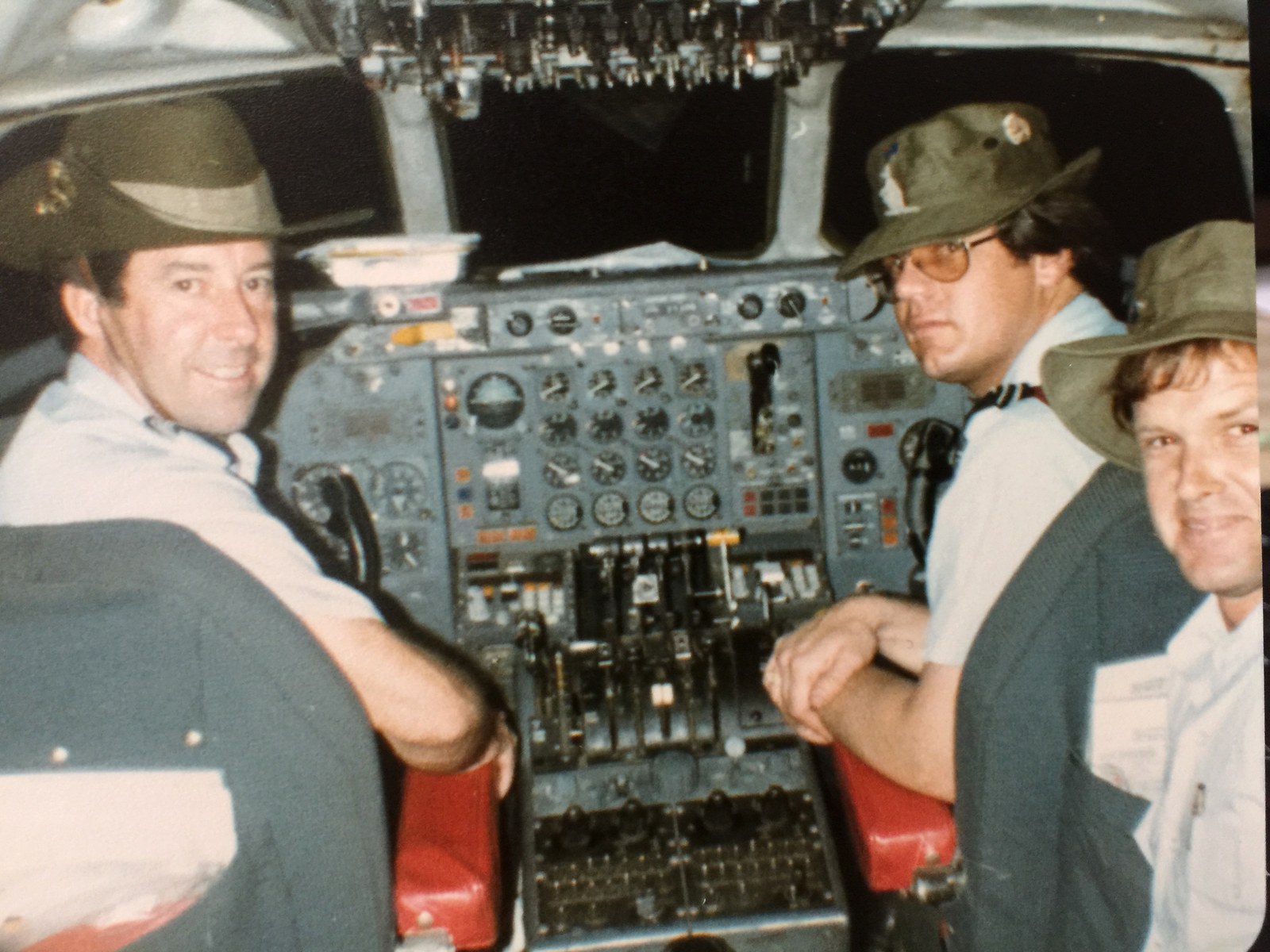
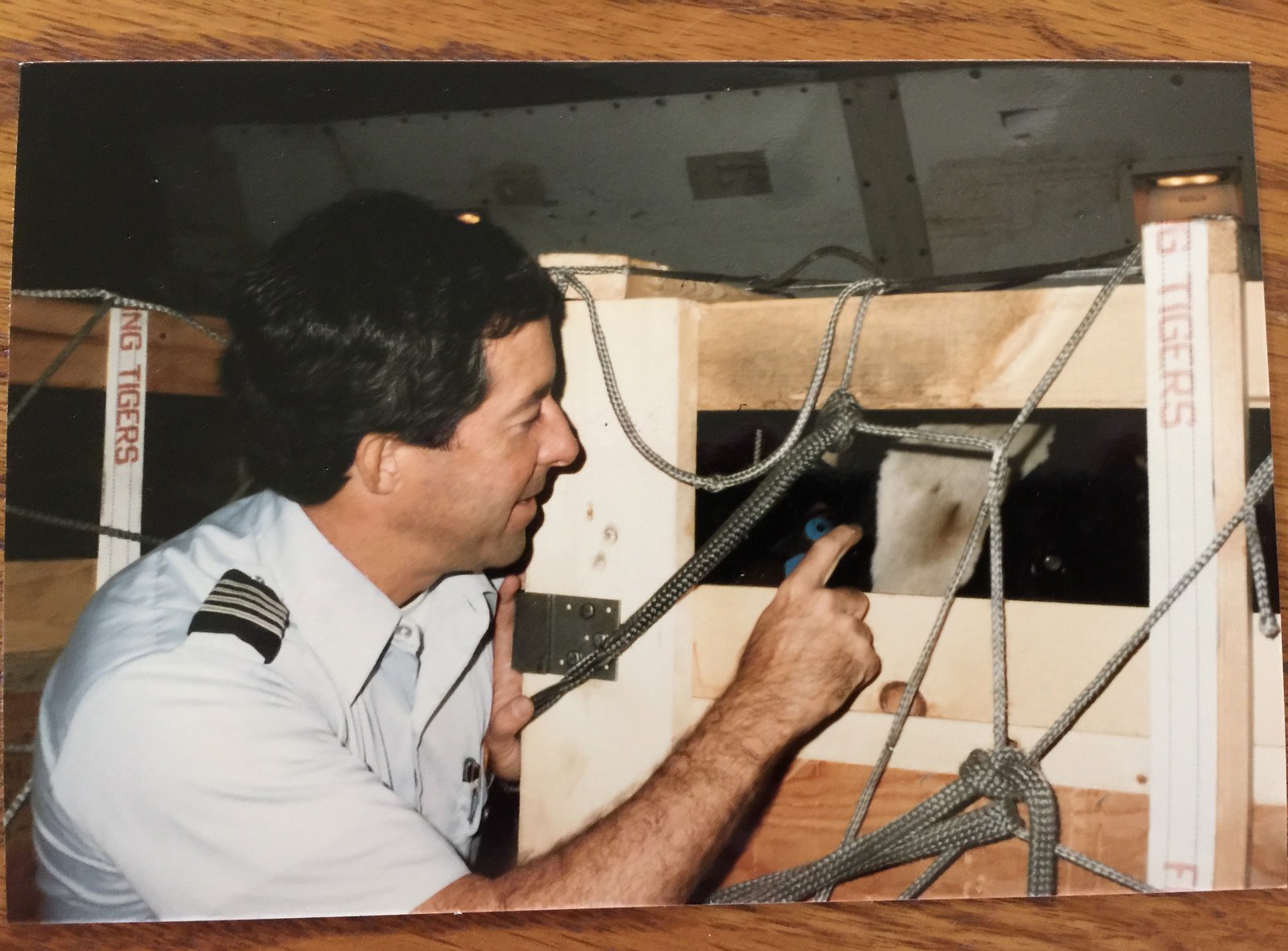
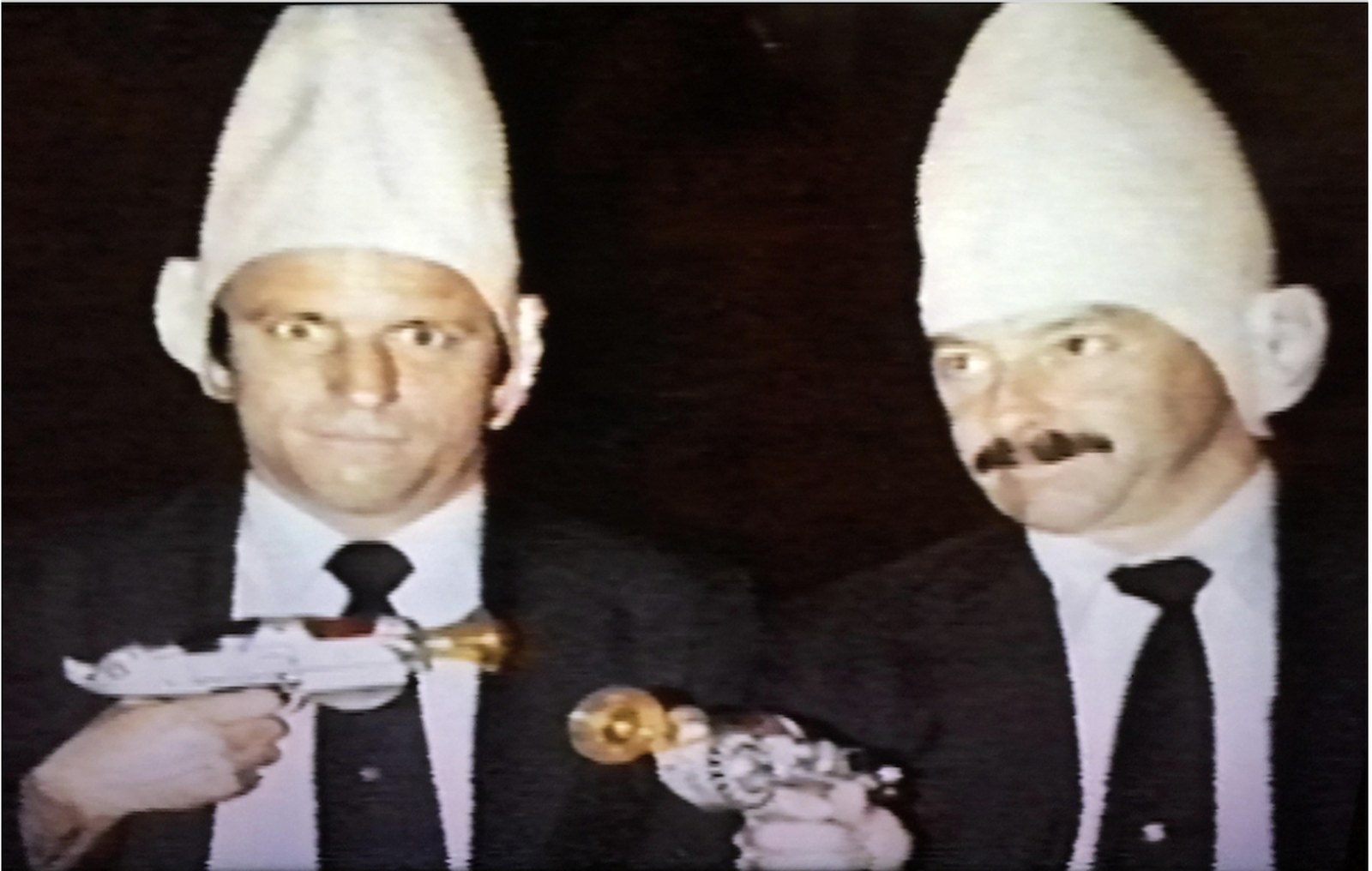
Uncle Tom married into the family — he wed Lyndi, Grandpa Jim's daughter and Captain John's older sister — and brought a flying life all his own. A Flying Tigers flight engineer on the CL-44 'swingtail' freighters in 1965, military time over Vietnam and Japan, a stint flying an Australian cattle charter, and finally the left seat of the DC-10 and the Boeing 747. His logbook reads like its own adventure novel — coneheads included.
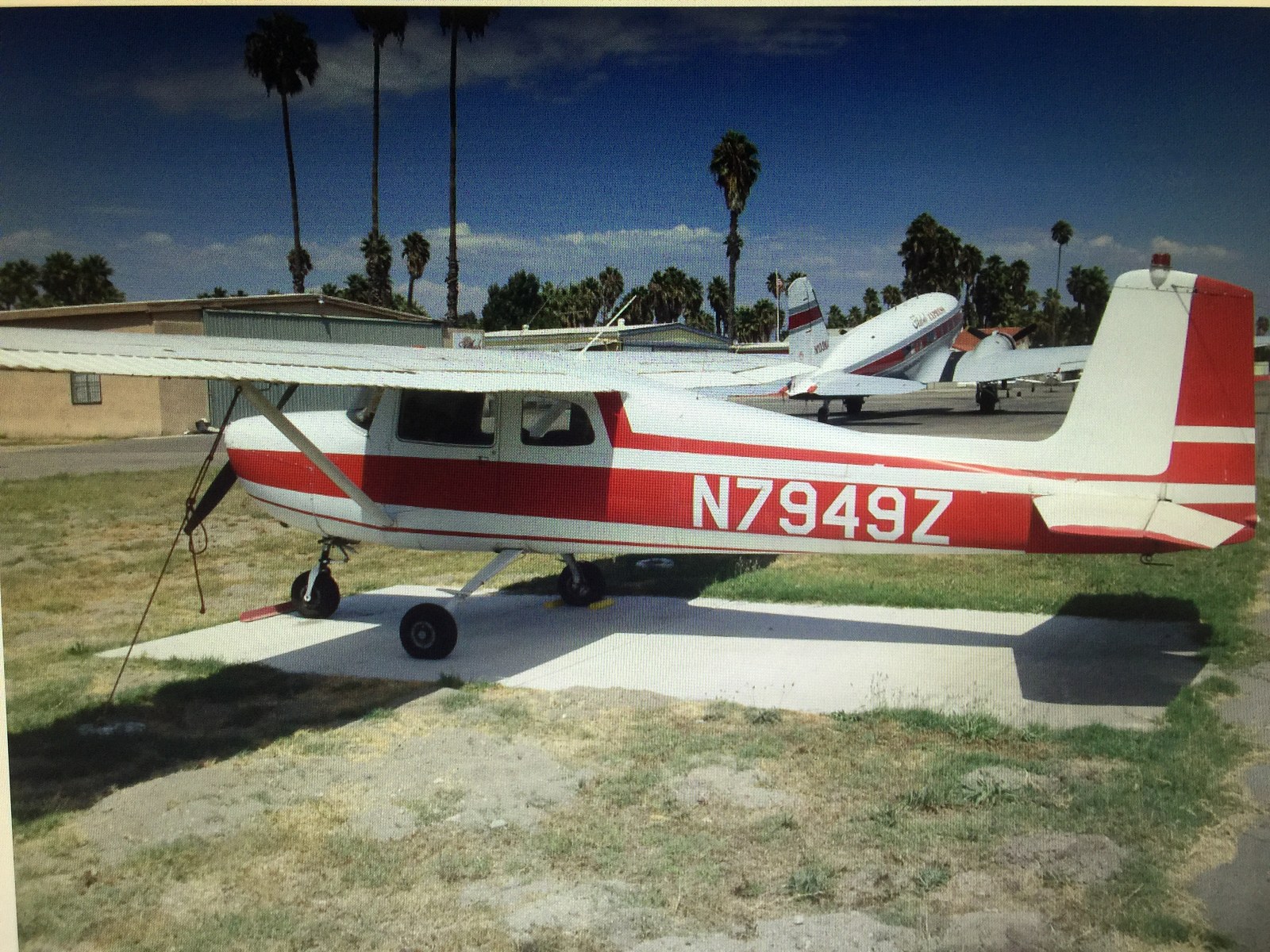
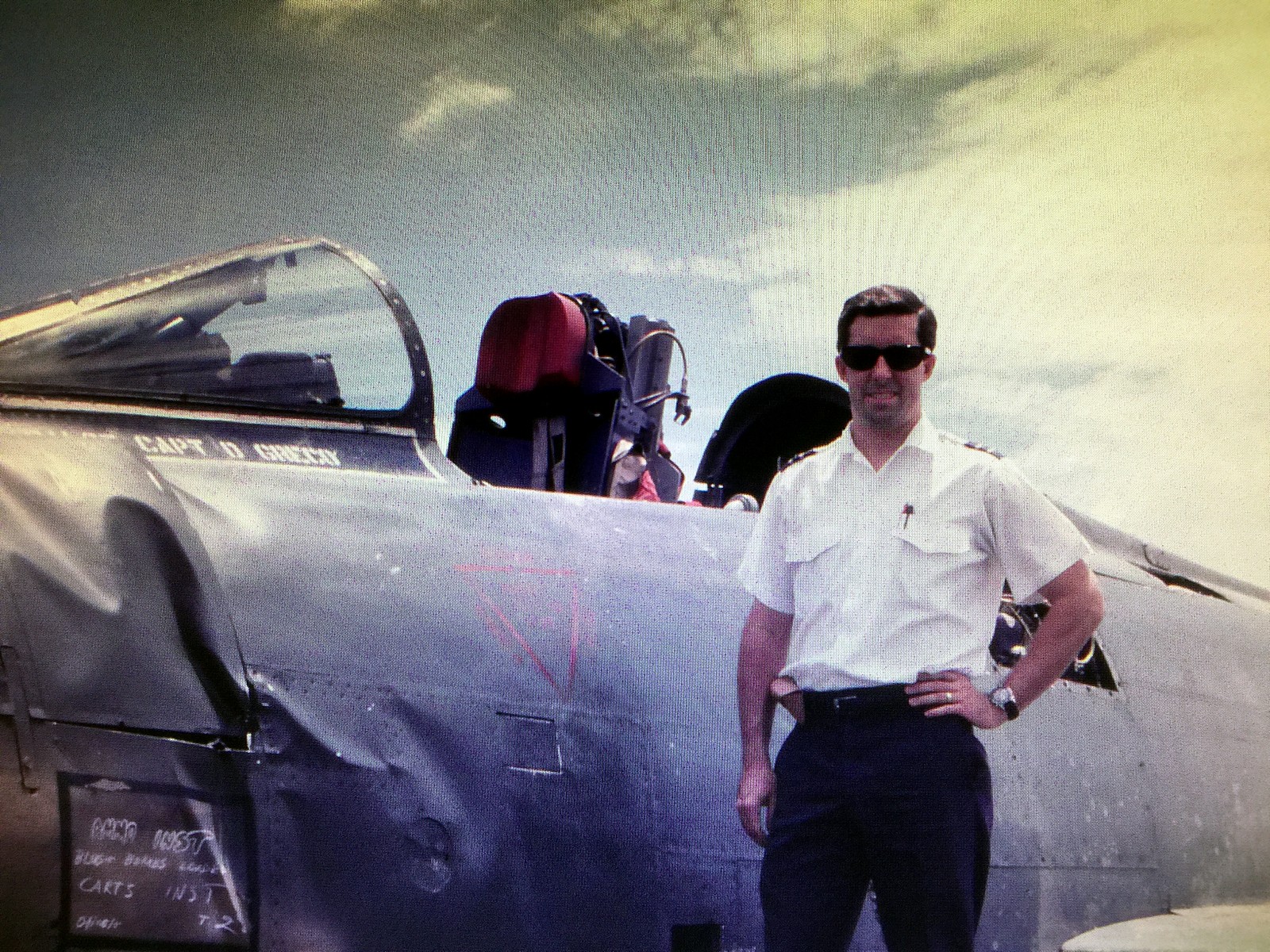
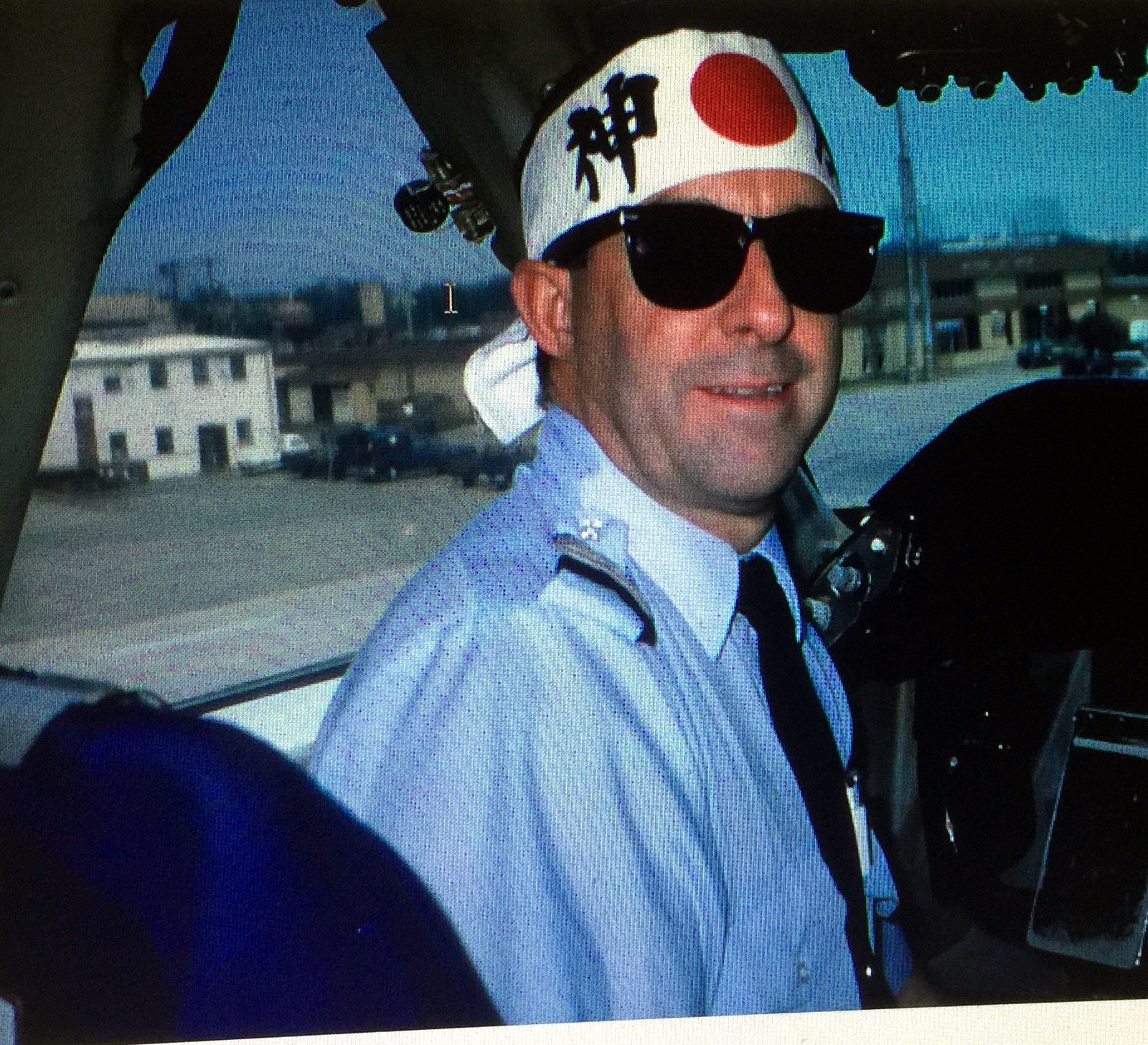
Where it started — Tom's solo aircraft, a red-and-white Cessna (N7949Z).On the DC-10 flight deck with his cousin Bill — two Flying Tigers in one cockpit.At the controls of a Flying Tigers Canadair CL-44 'swingtail' freighter — the whole tail hinged open to load cargo. Tom started here as a flight engineer in 1965.Phu Cat, Vietnam, 1966 — Tom with an F-100 Super Sabre.Yokota Air Base, Japan — Tom in the cockpit, hachimaki and shades.The Australian cattle charter — Tom and the crew on the CL-44 flight deck, Aussie bush hats and all.Checking on the livestock — Tom and a curious passenger eyeing each other through the slats of a Flying Tigers cattle crate.First Officer & Captain Conehead — proof that a long career leaves plenty of room for a sense of humor.
Generation 3 — the sister captains
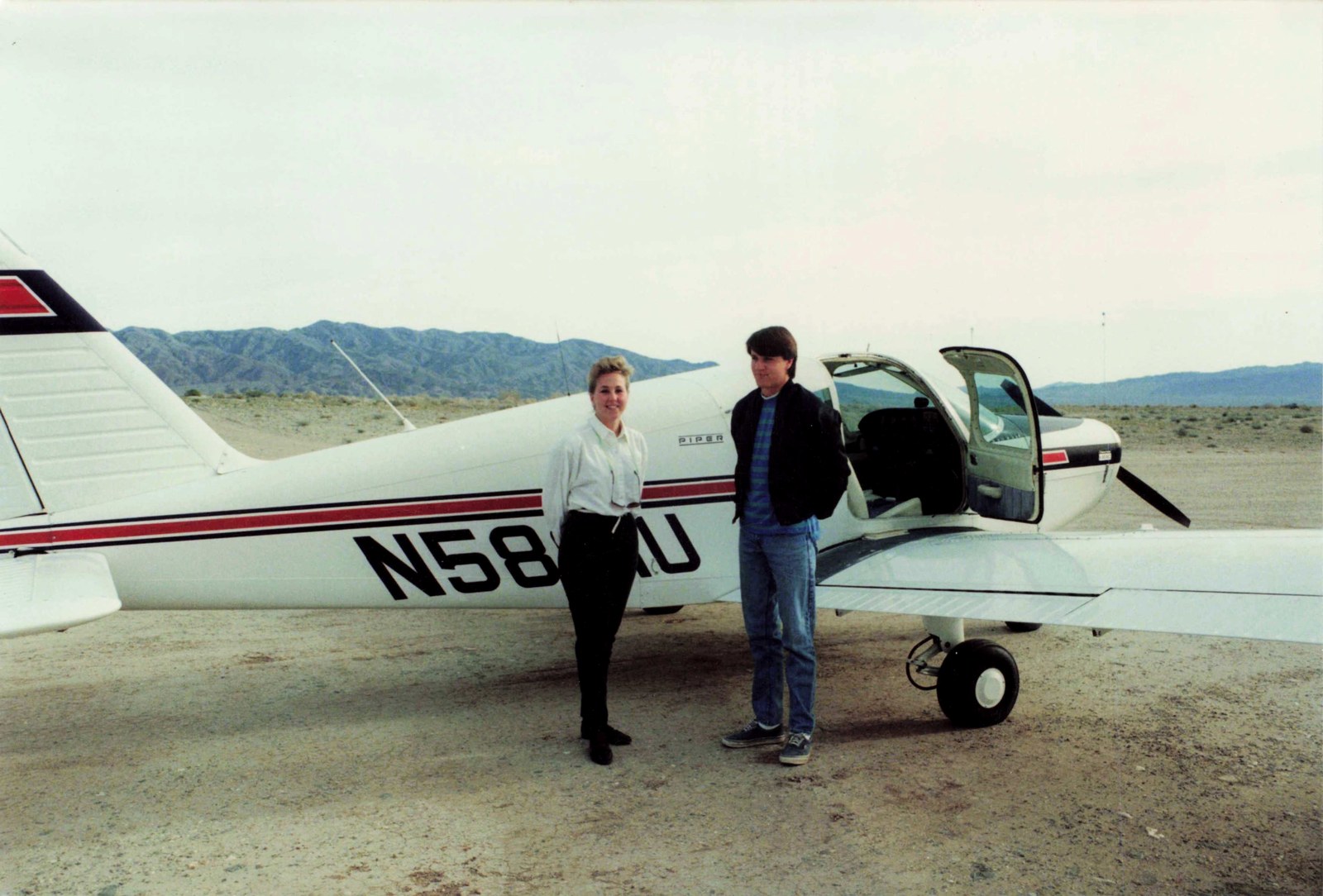
My mom Micki, Auntie Kristen, Auntie Angie — three pilots at major US airlines. All three started at the regionals, where the flying is domestic and international right off the bat; Mom's path ran through cargo too, and she flies international today. Auntie Kristen came up through the 737, 757/767, and 787 and flies the 777 today. Auntie Angie came up through the A319/A320 and 737 and flies the 757/767 today.
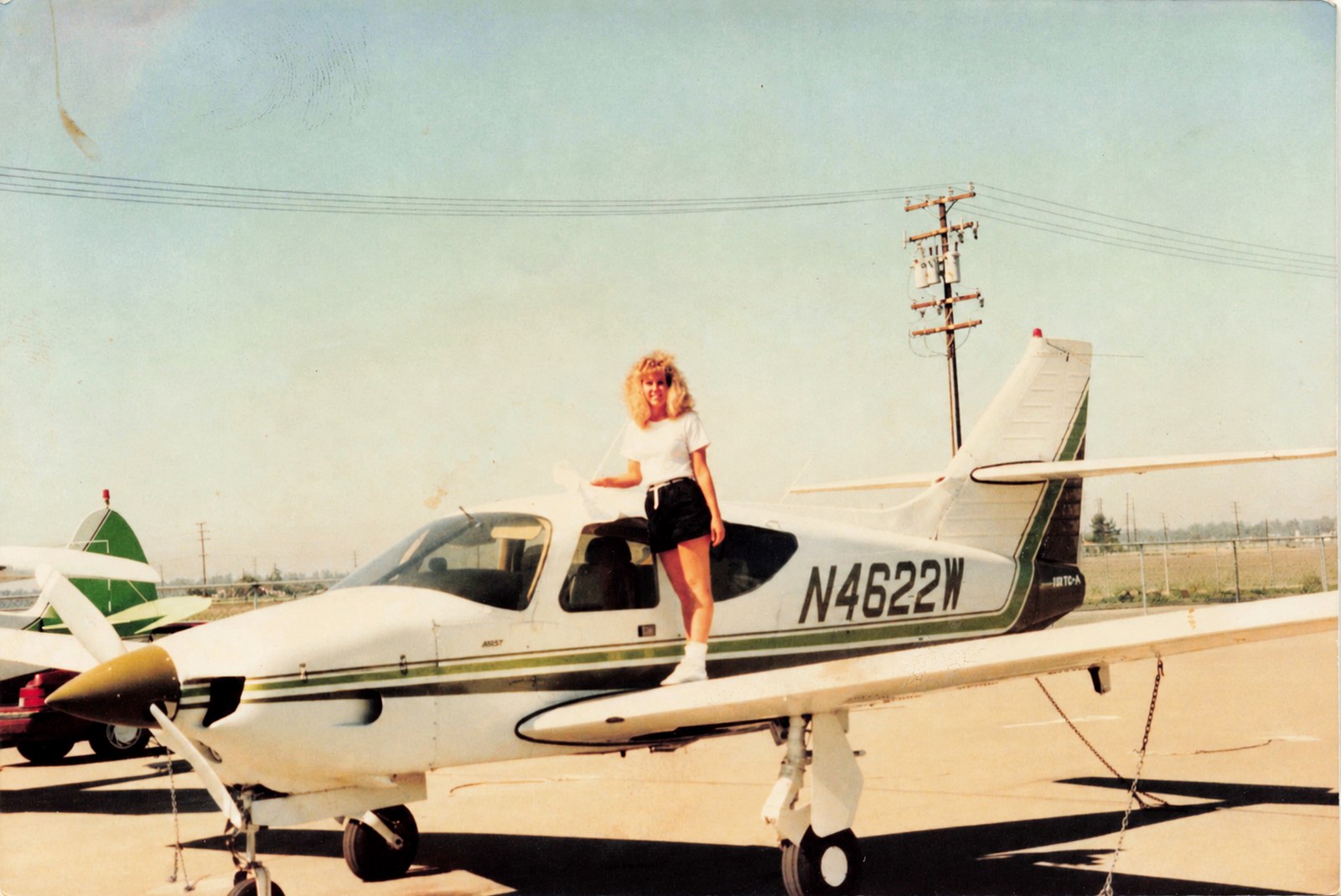
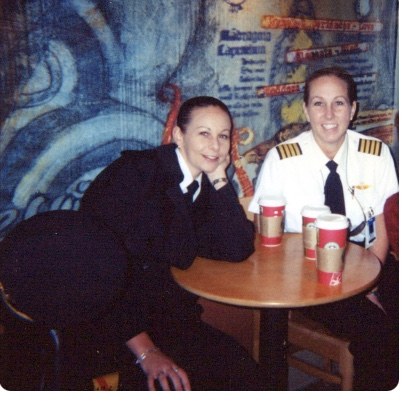
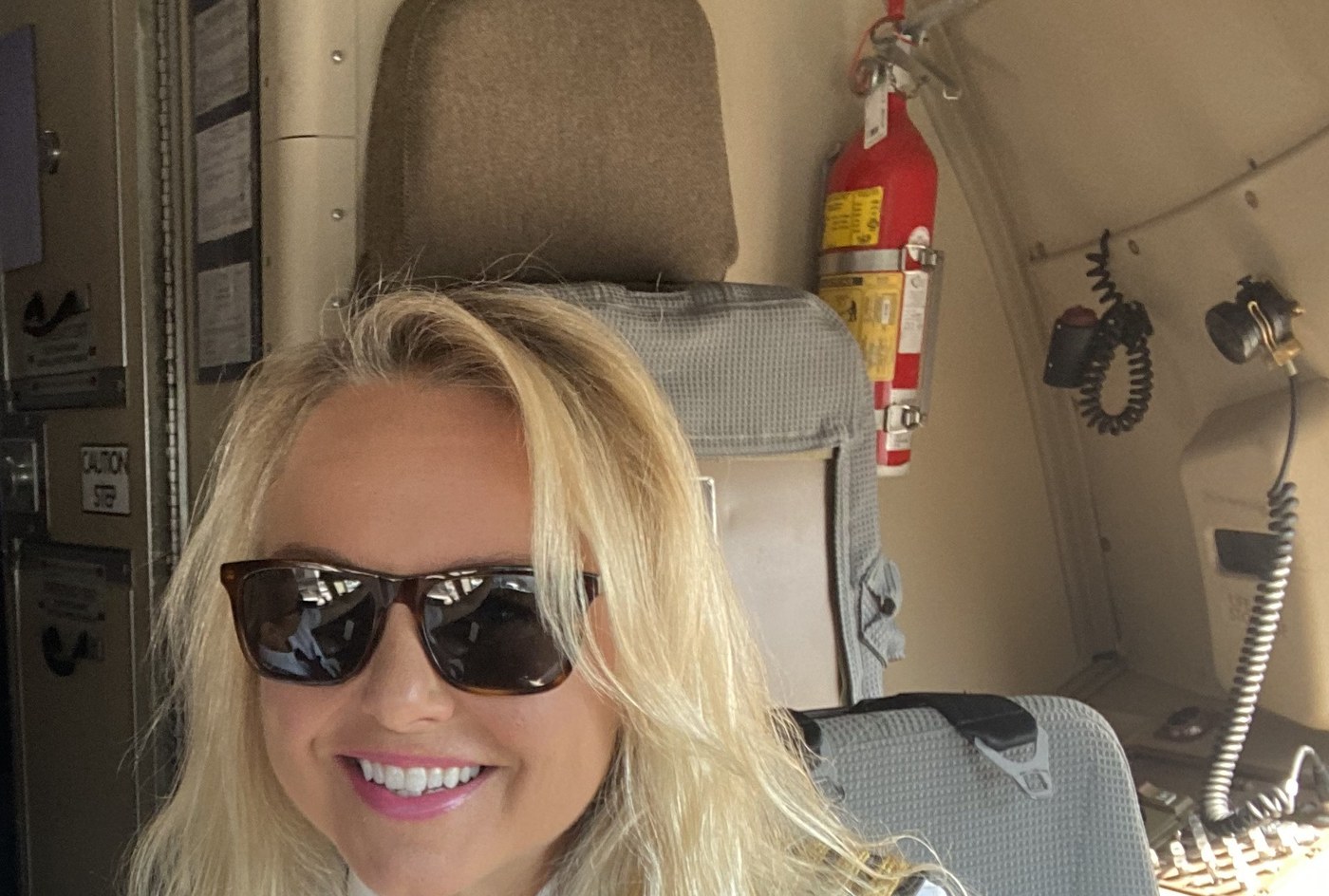
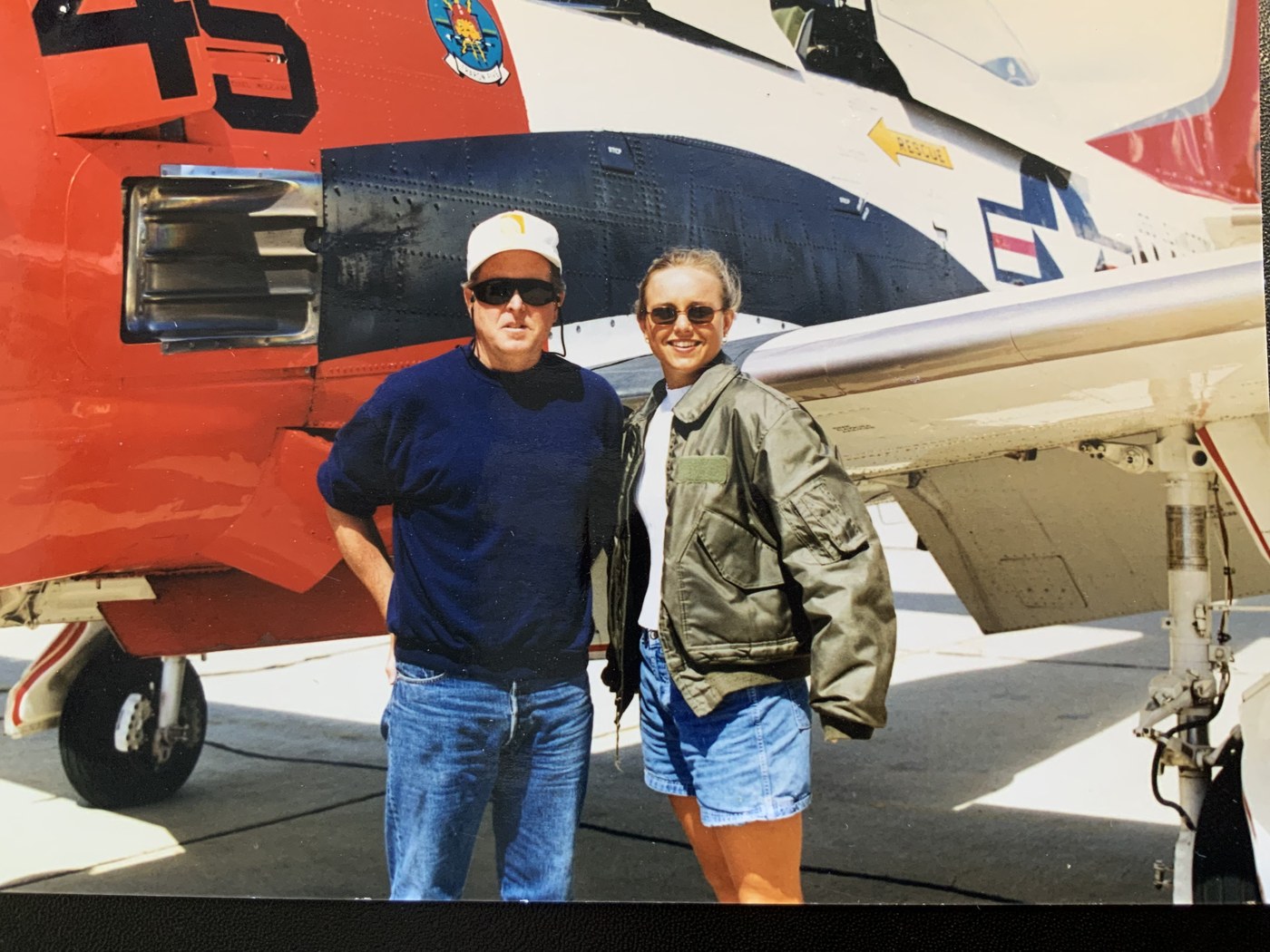
Captain John with his three pilot daughters — Generation 2 and Generation 3 in one frame.My mom right after her commercial checkride — Salton Sea (SAS), January 29, 1992, with the Piper N5881U. Generation 3, just getting started.On the wing of the Rockwell Commander 112TC (N4622W) she flew for her boss — shuttling him and his oil-company engineers and clients out to golf courses. The early flying-for-hire days.My mom and Auntie Kristen, flying together back in their regional-airline days — early-morning coffees, getting their mojo going.Auntie Angie in the flight-deck doorway — generation three at work.Auntie Angie and my grandfather with the T-28 the family flew back then — Navy trainer colors and all.
California City — the jump that became a job
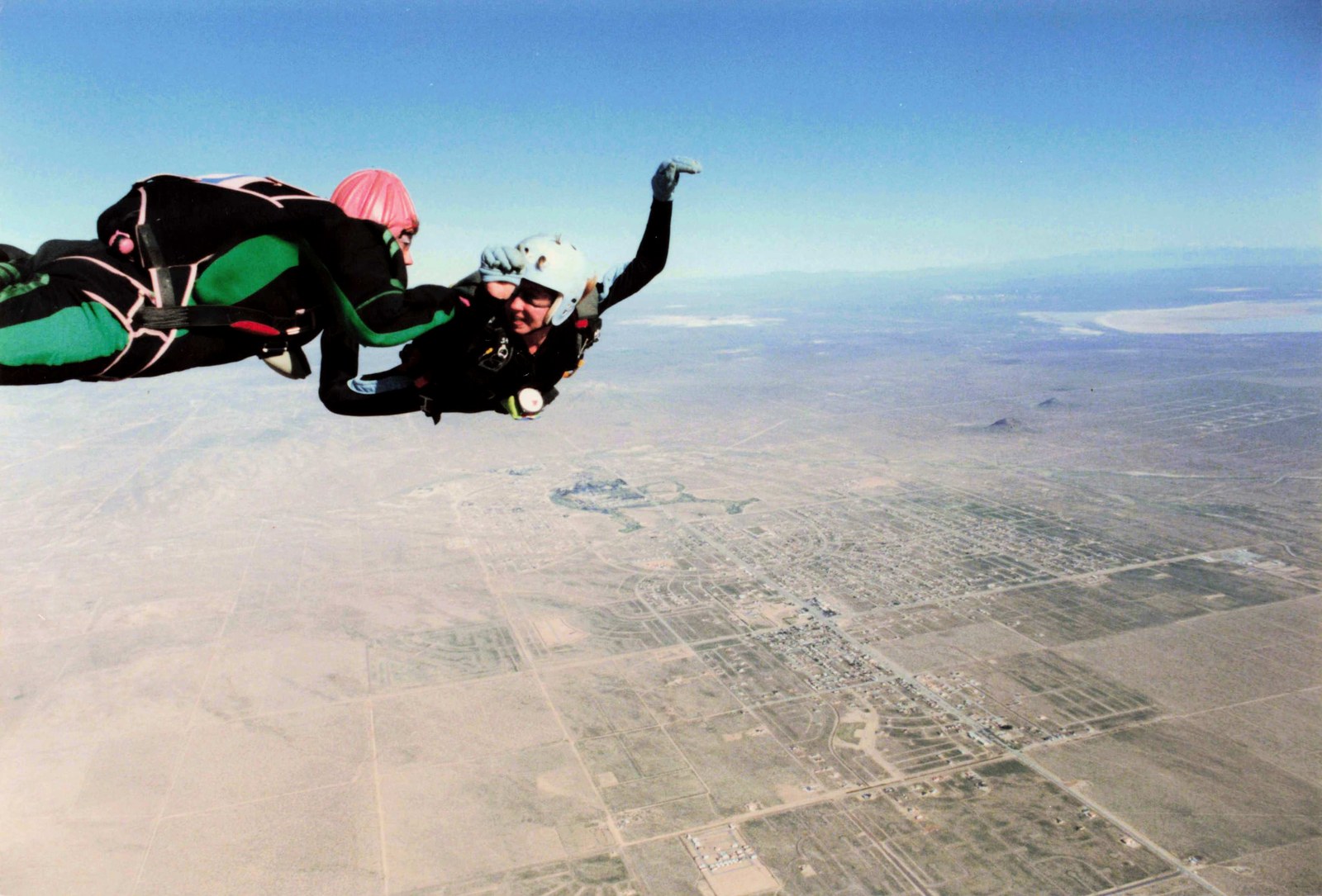
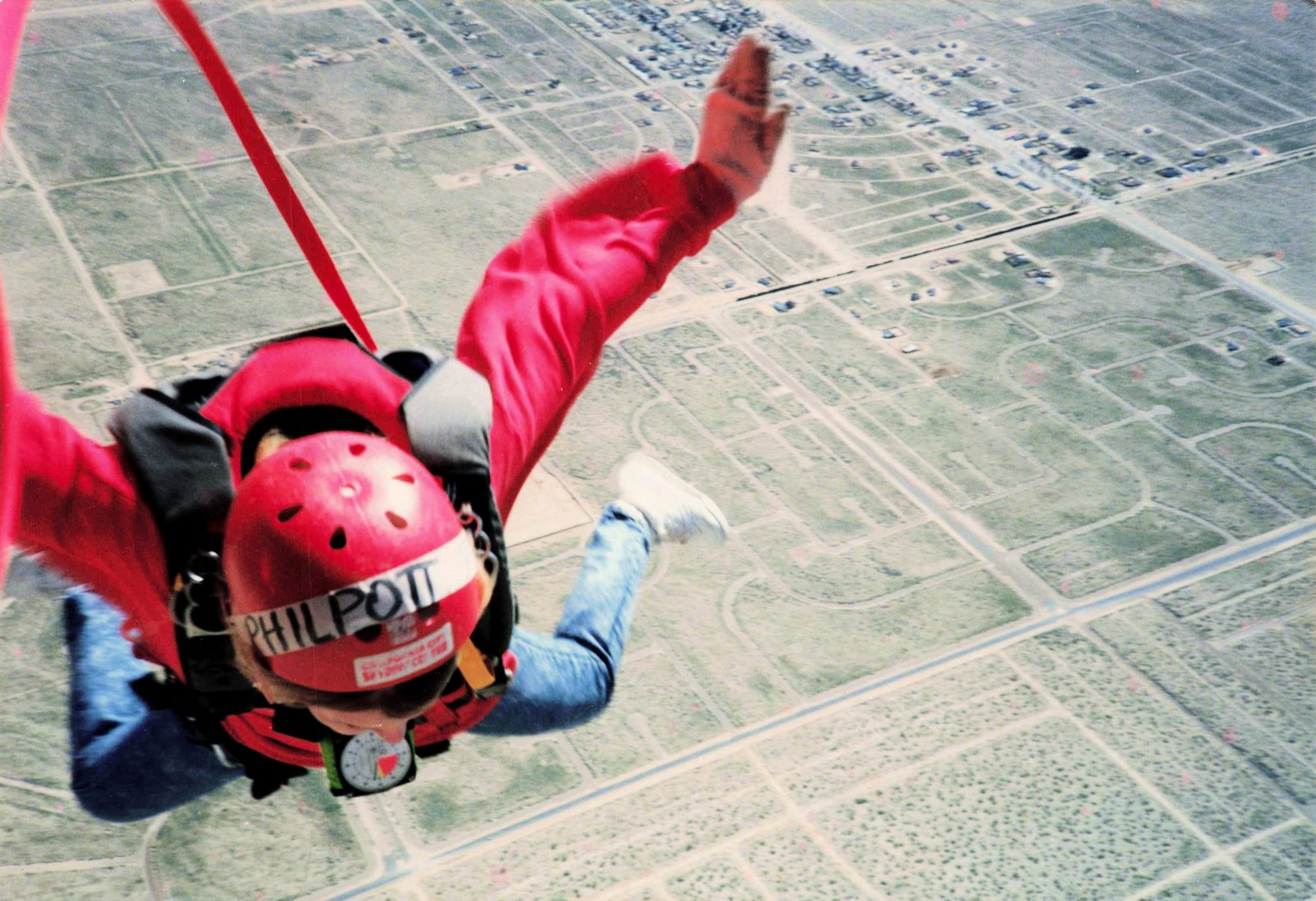
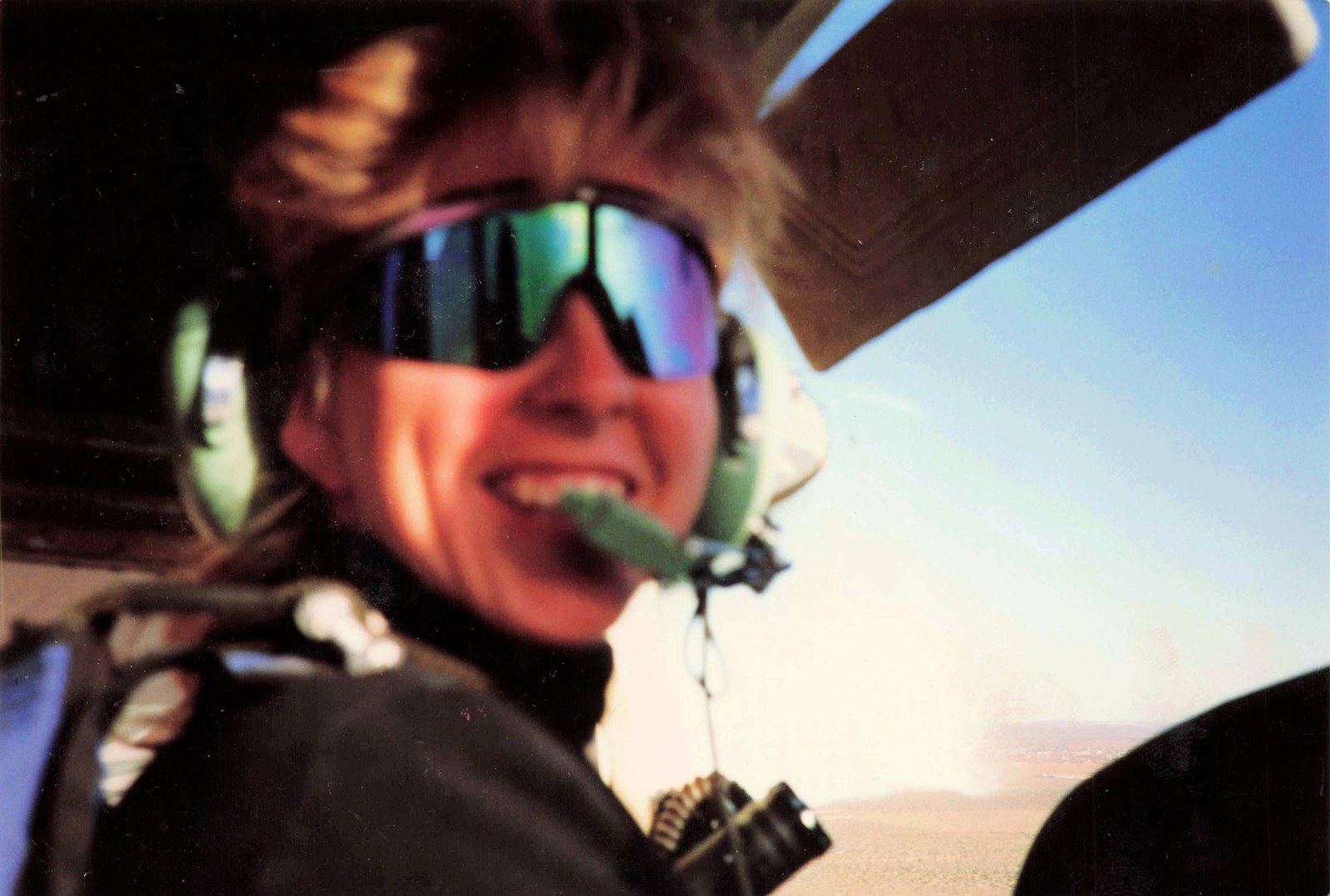
Before the airlines, my mom drove out to California City to make a static-line jump — and walked away with a job flying the jump plane. She came back as a skydive pilot, hauling jumpers up over the Mojave.
First AFF jump over the Mojave — on the grips of her instructor, who jumped on the women's world-record 100-way. California City laid out below.First static line over California City — 'PHILPOTT' across the helmet, the family name already along for the ride.First day on the job — in the cockpit of the Cessna 206 jump plane at California City Skydive. She came to jump and left employed.
The Y-12 ferry — Kunming → Lusaka
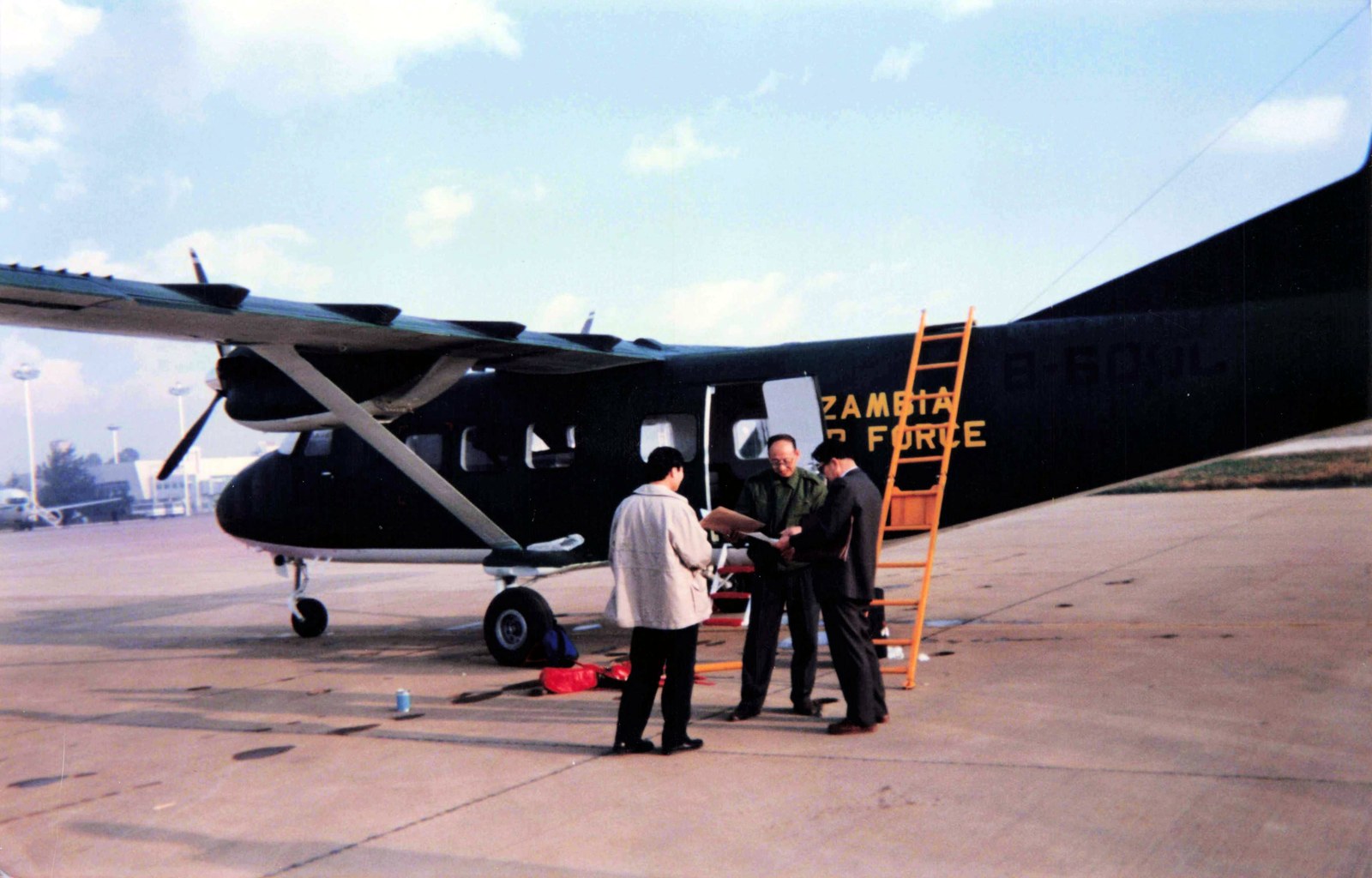
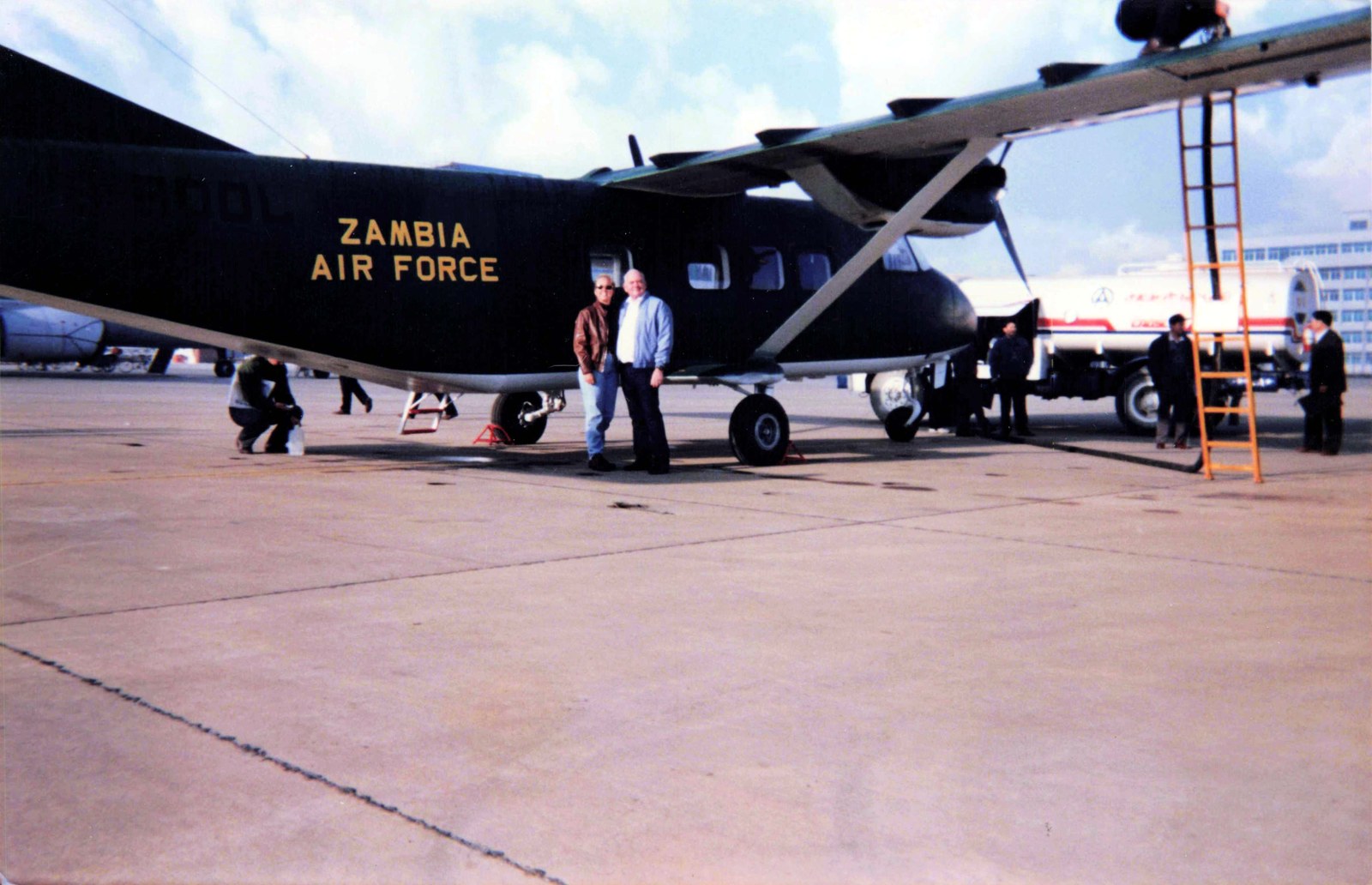
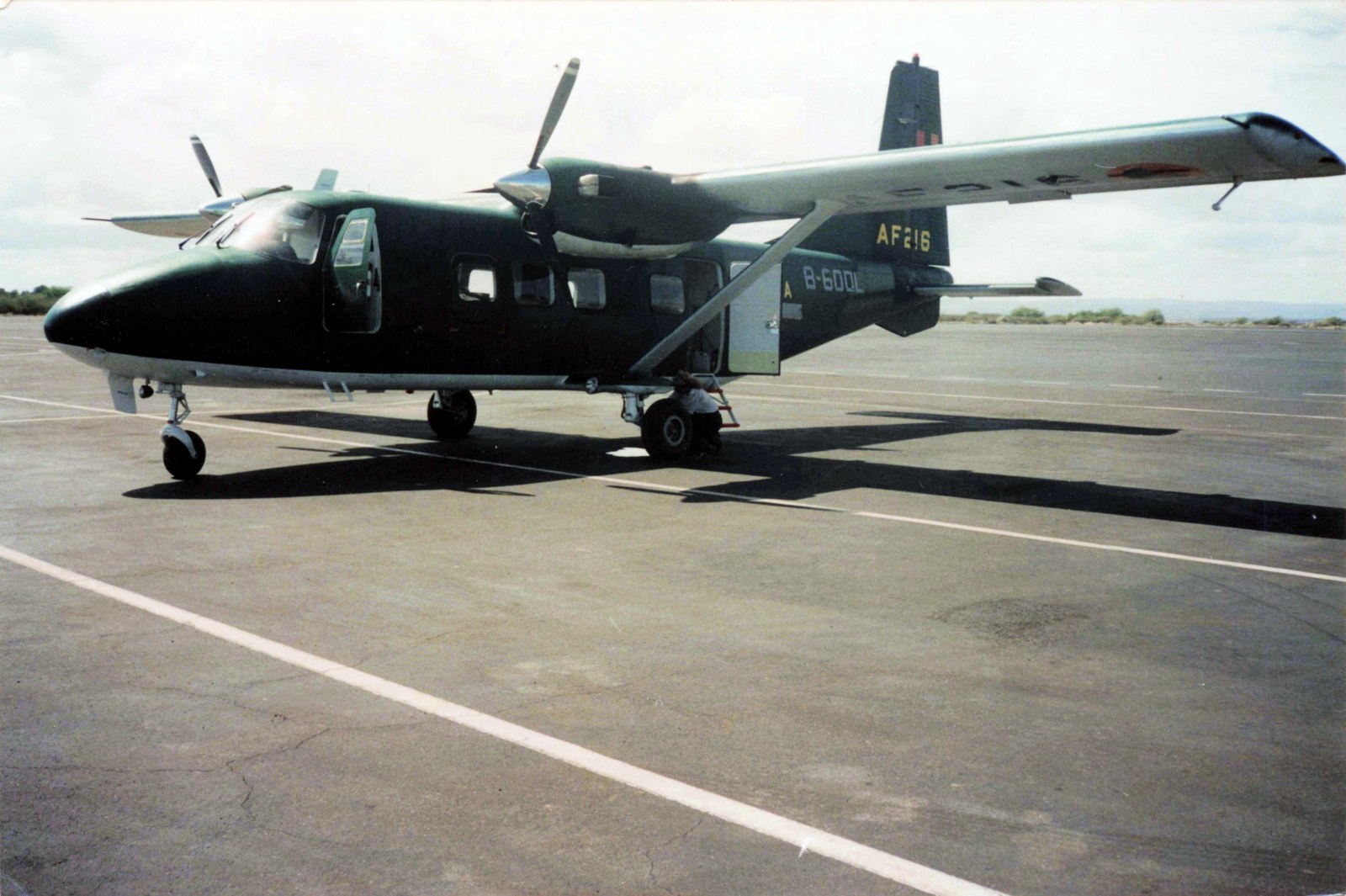
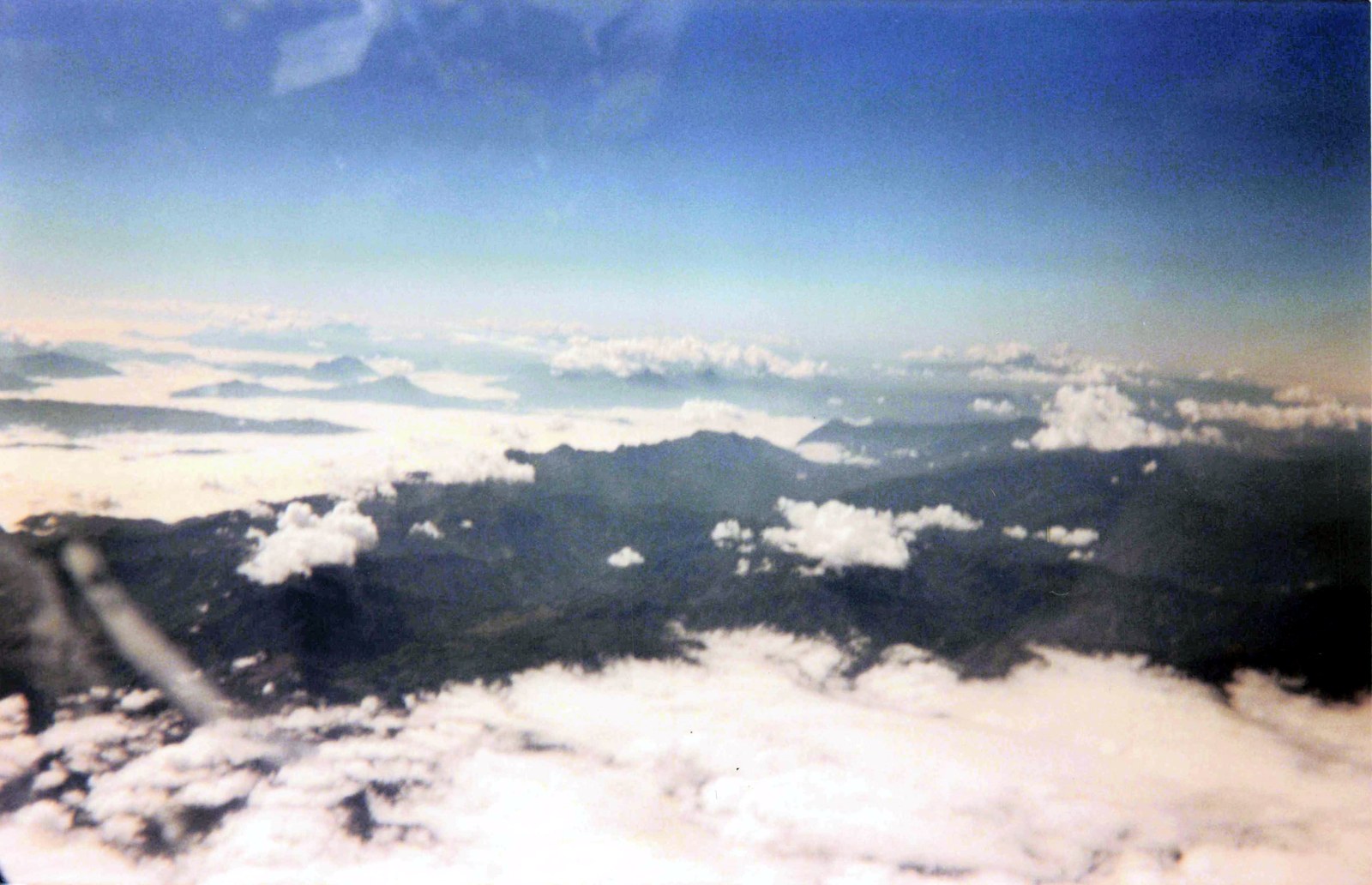
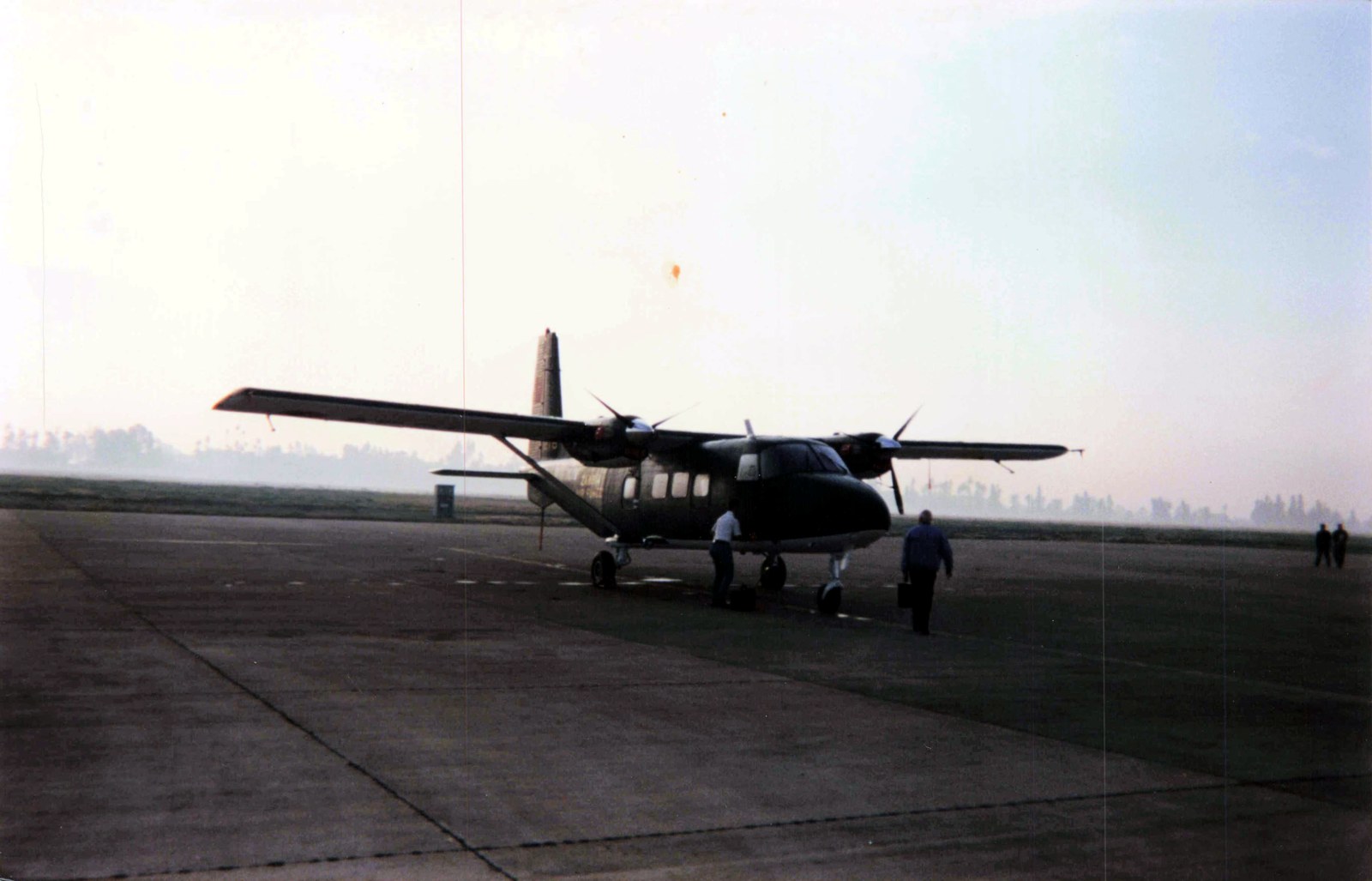
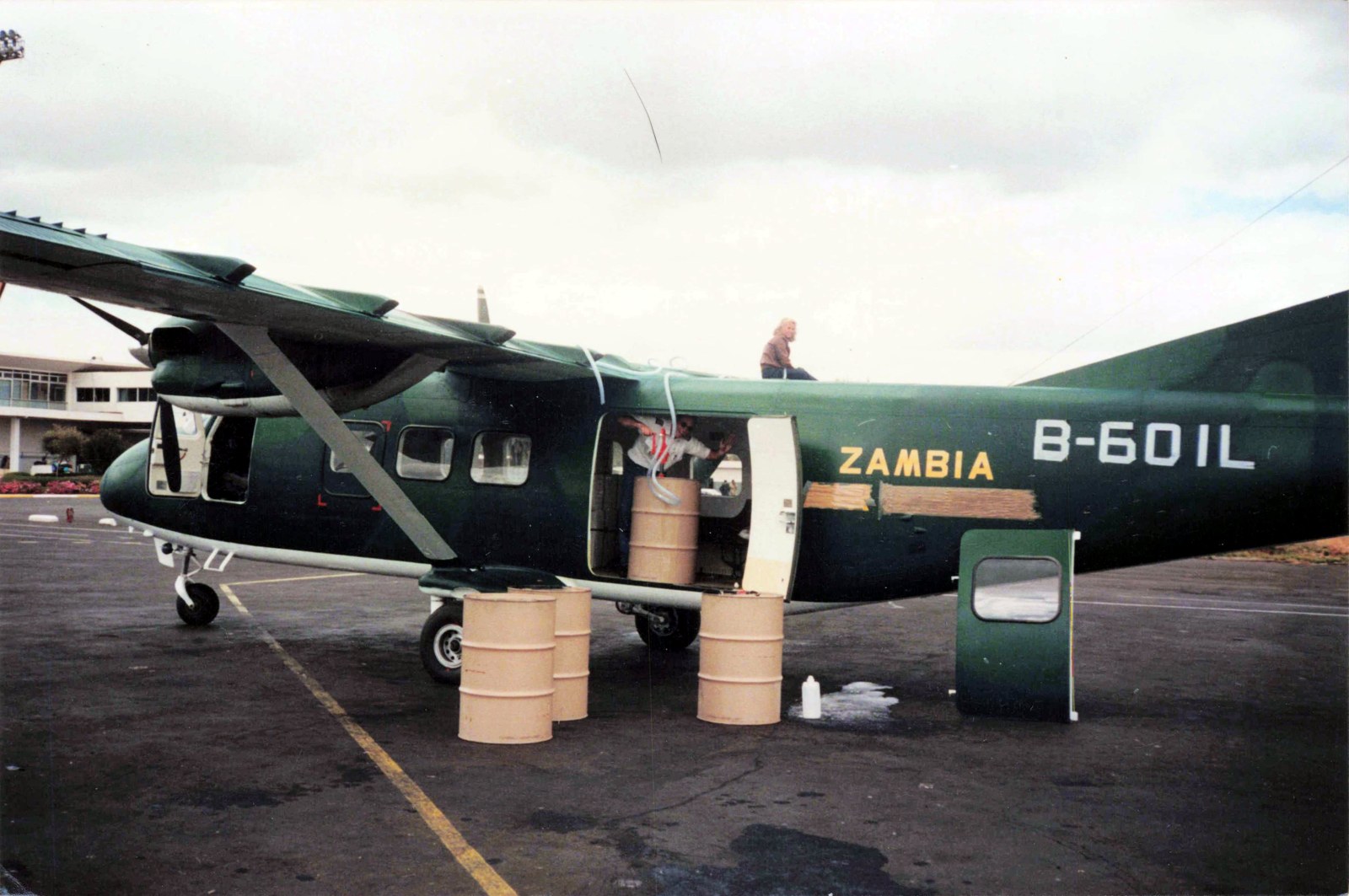
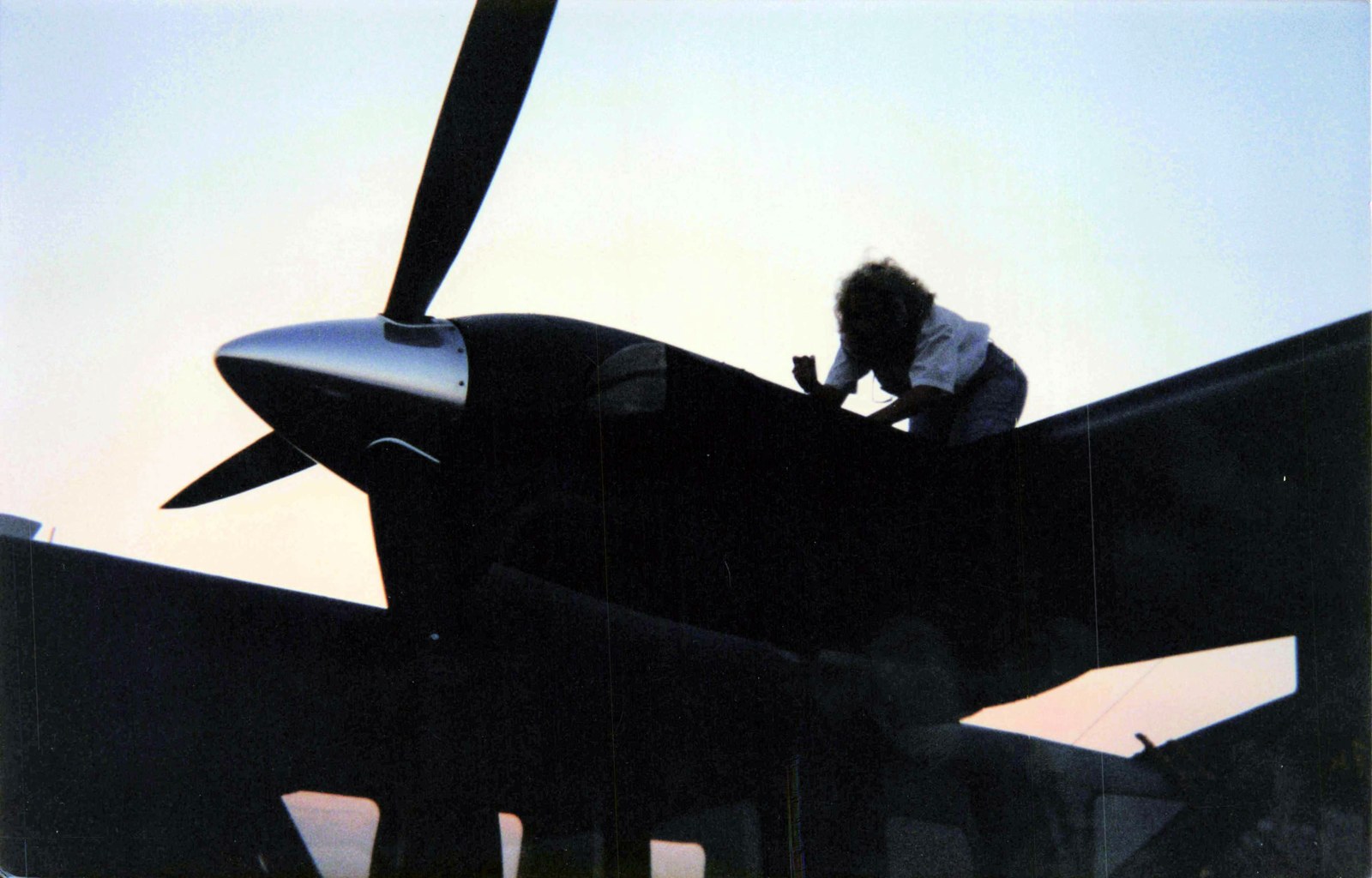
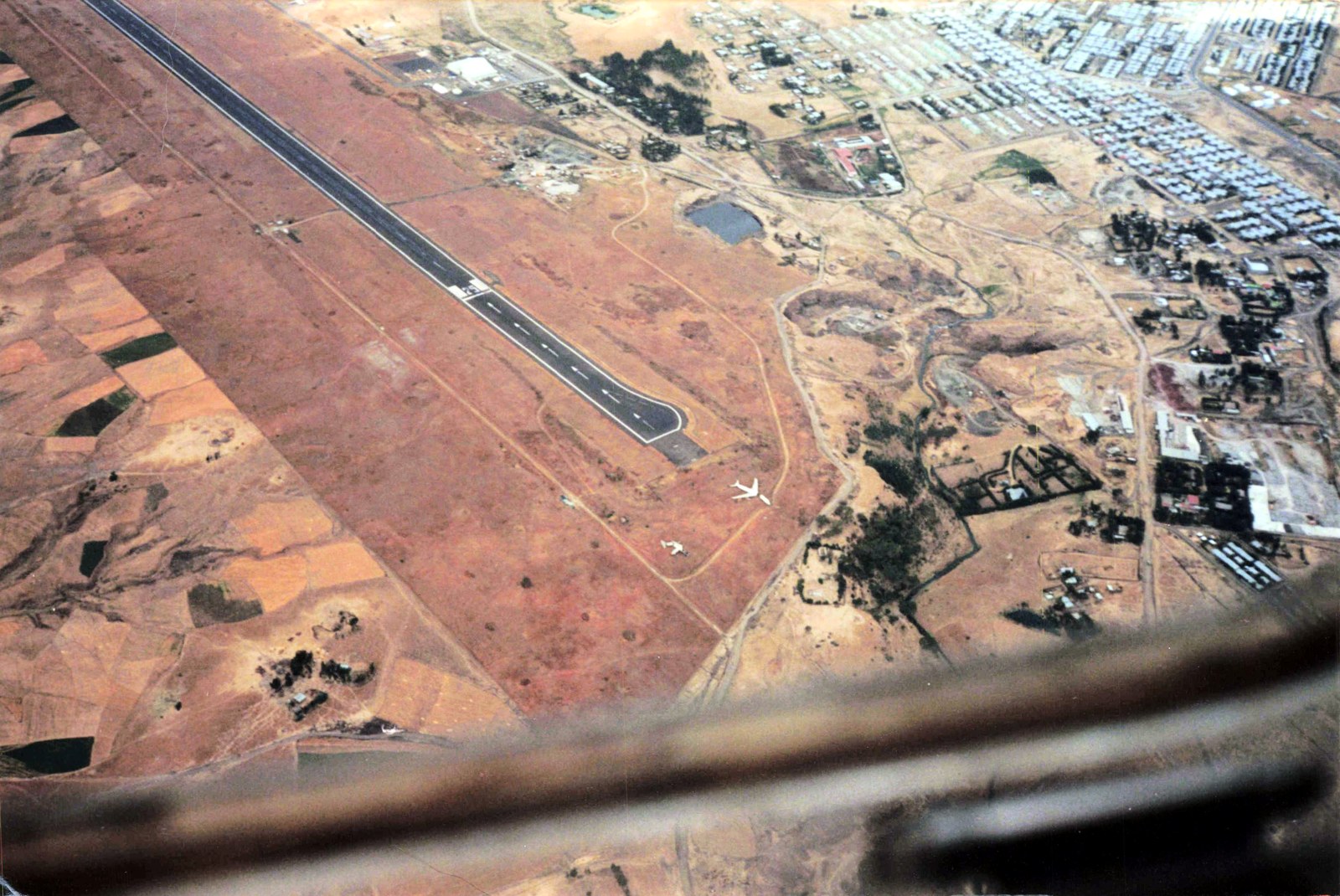
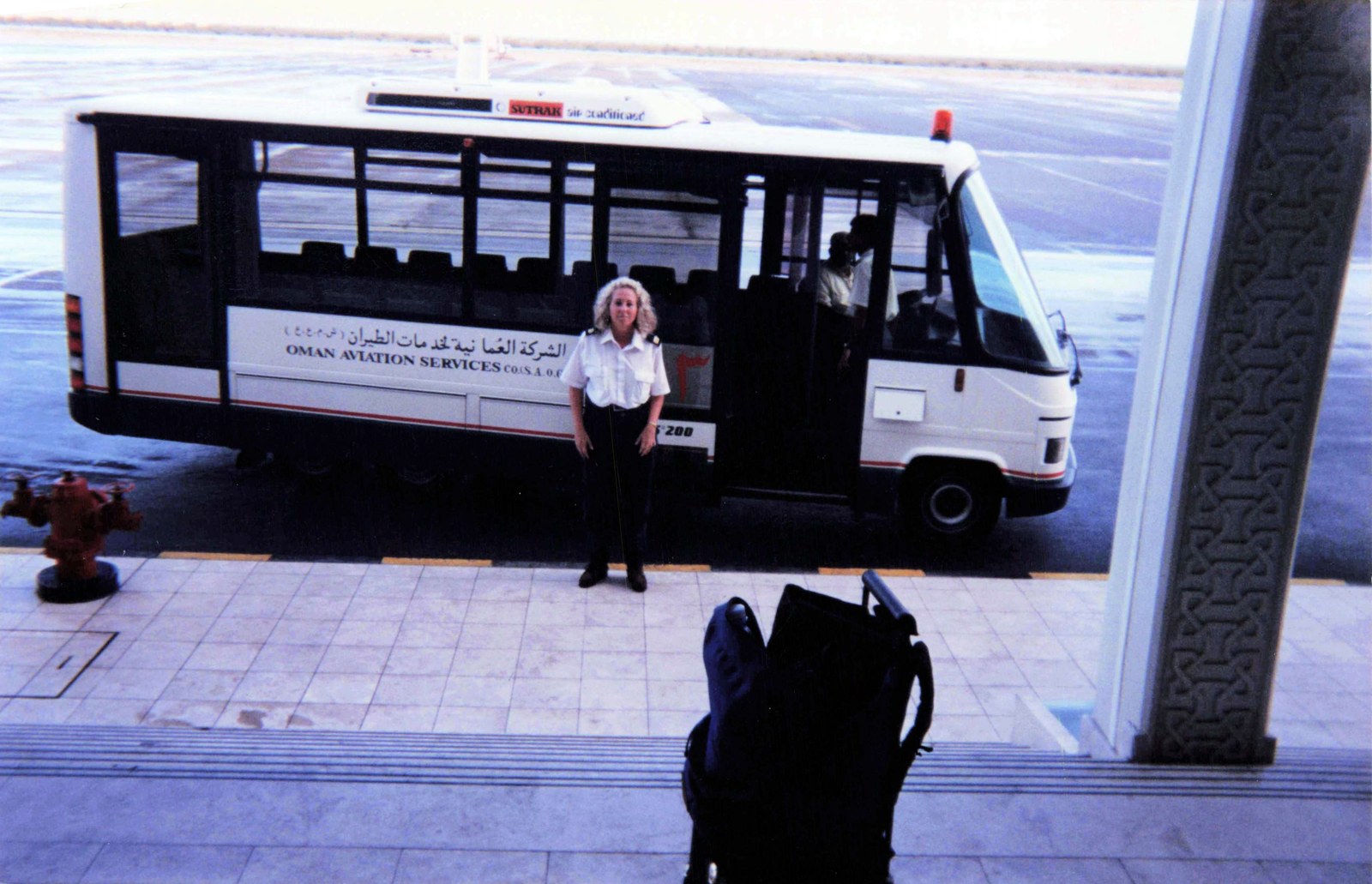
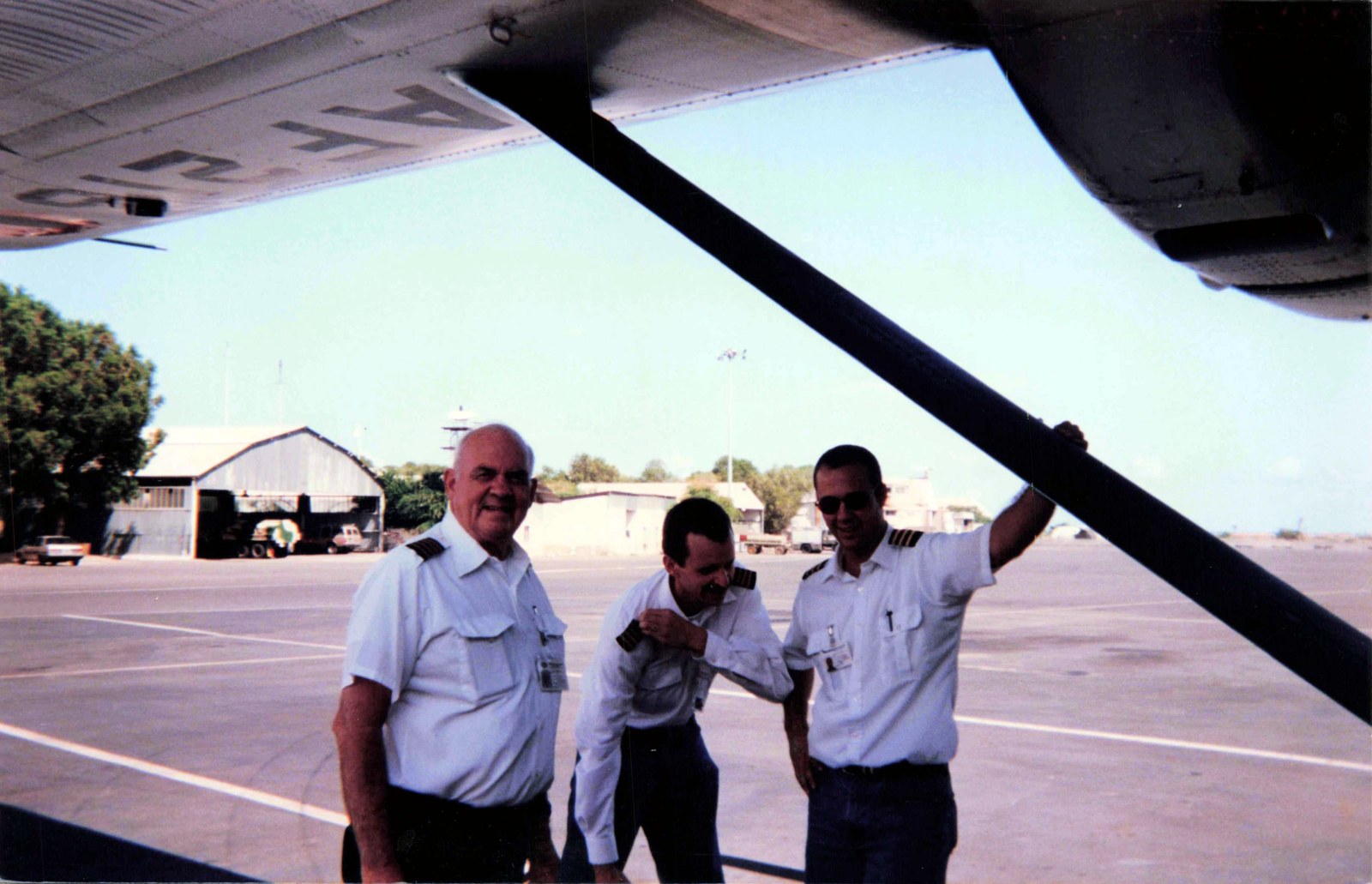
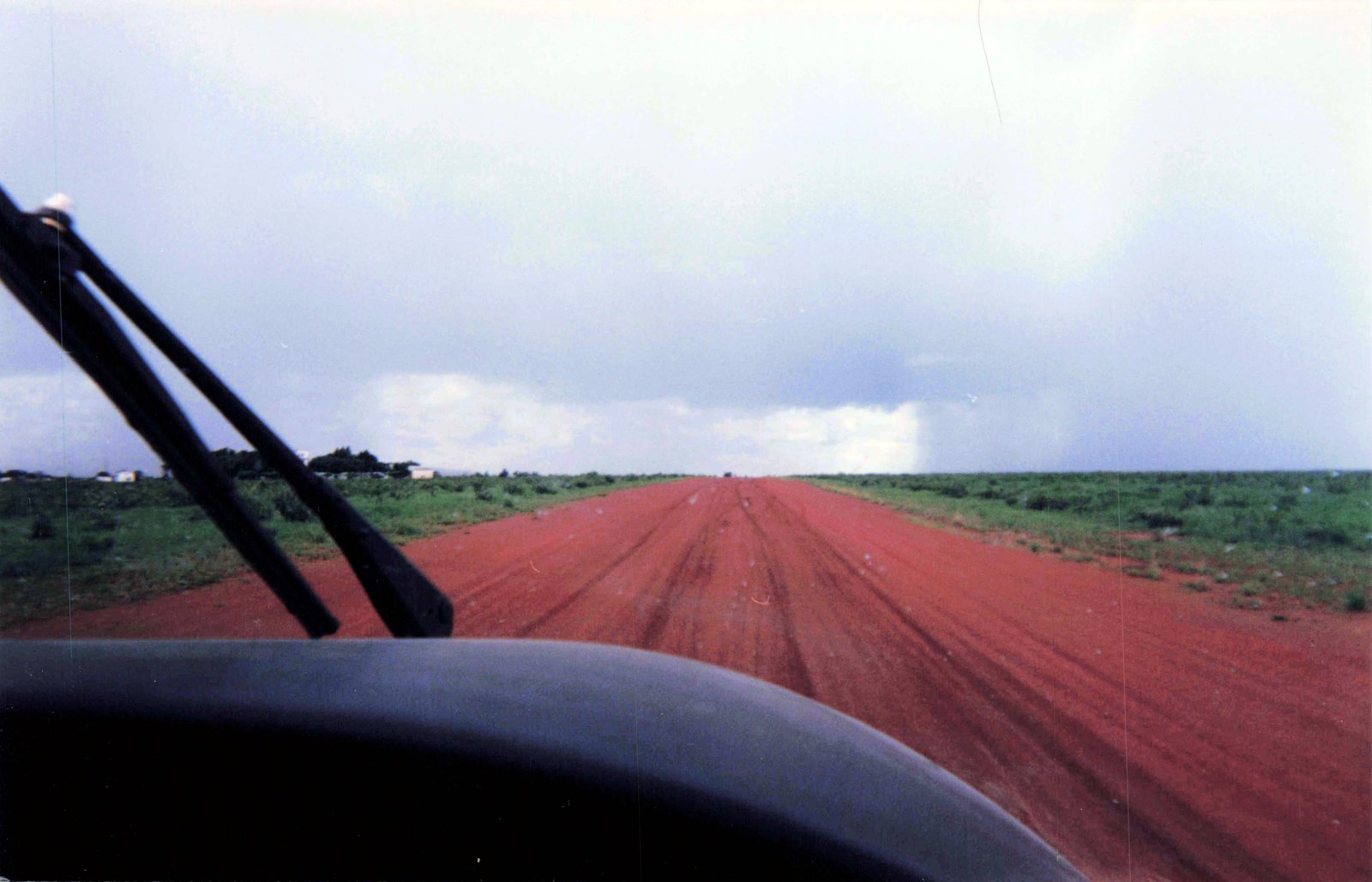
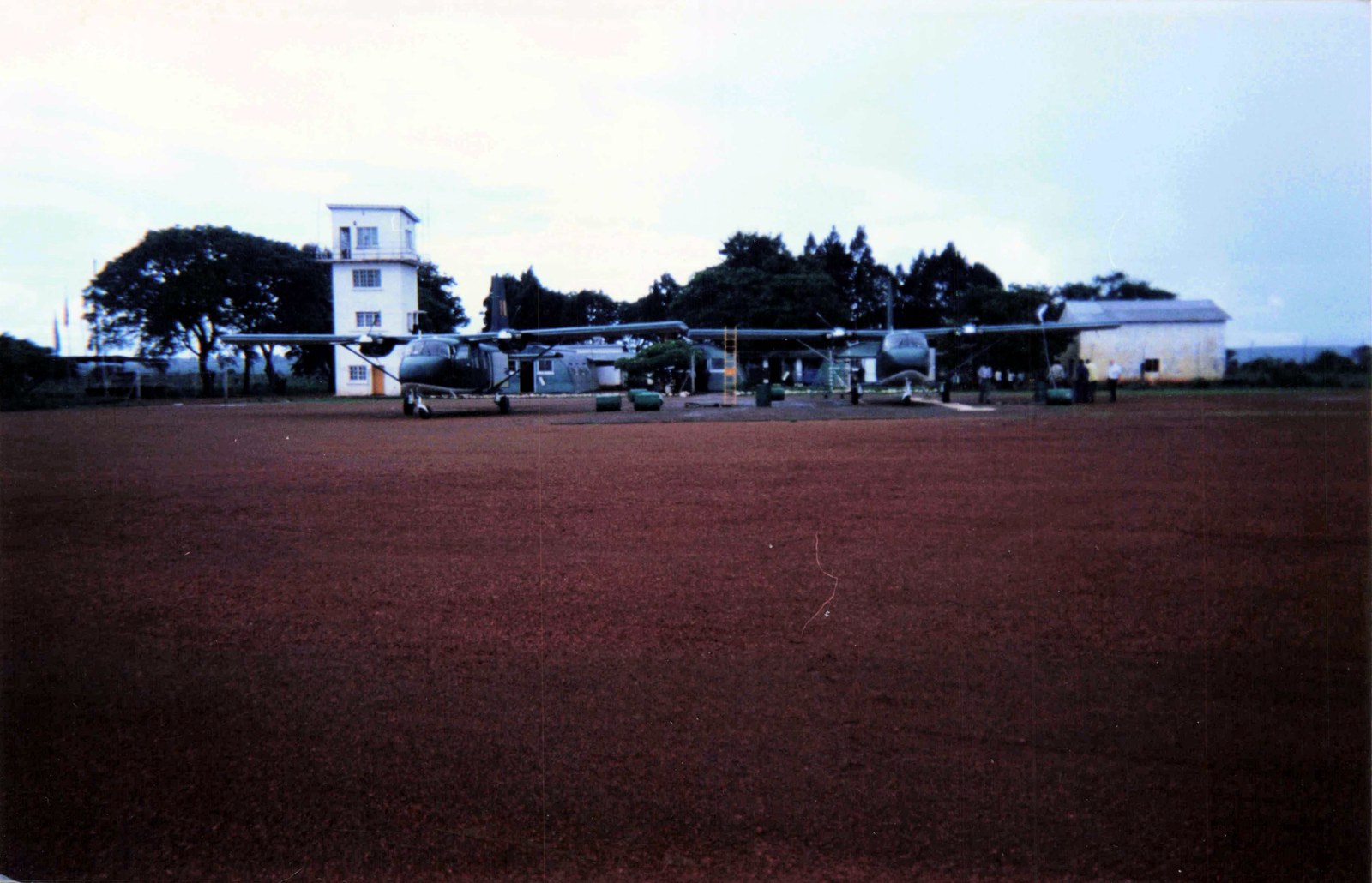
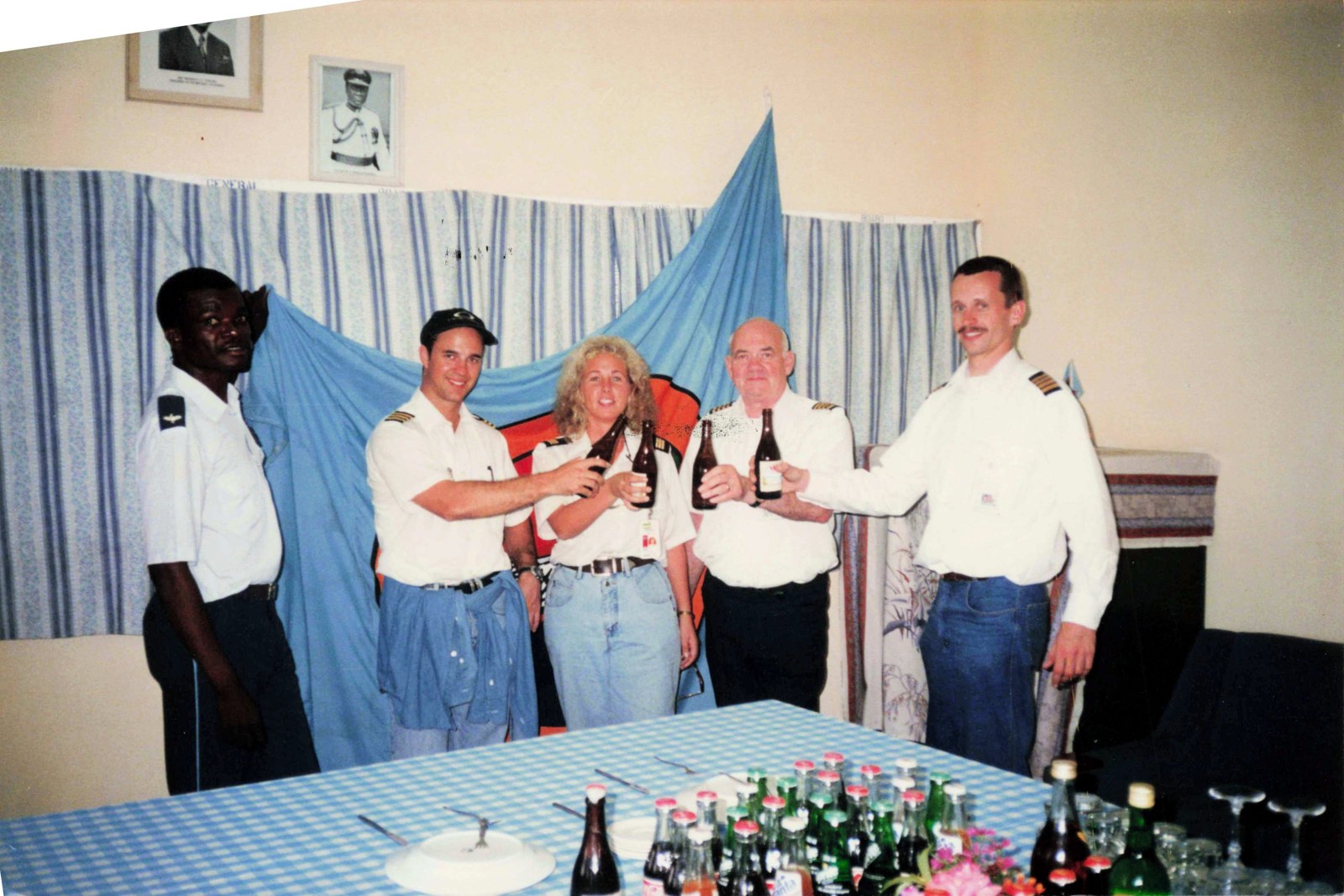
In December 1995, at twenty-five, my mom ferried a Harbin Y-12 from Kunming, China to Lusaka, Zambia for the Zambian Air Force — a multi-leg crossing of Asia and Africa in a twin-turboprop, over the Hump and half the world. The full story ran in The Aviation Geek Club, 'Over the Hump and Half the World.' These are her own photos from the trip, in the order it happened.
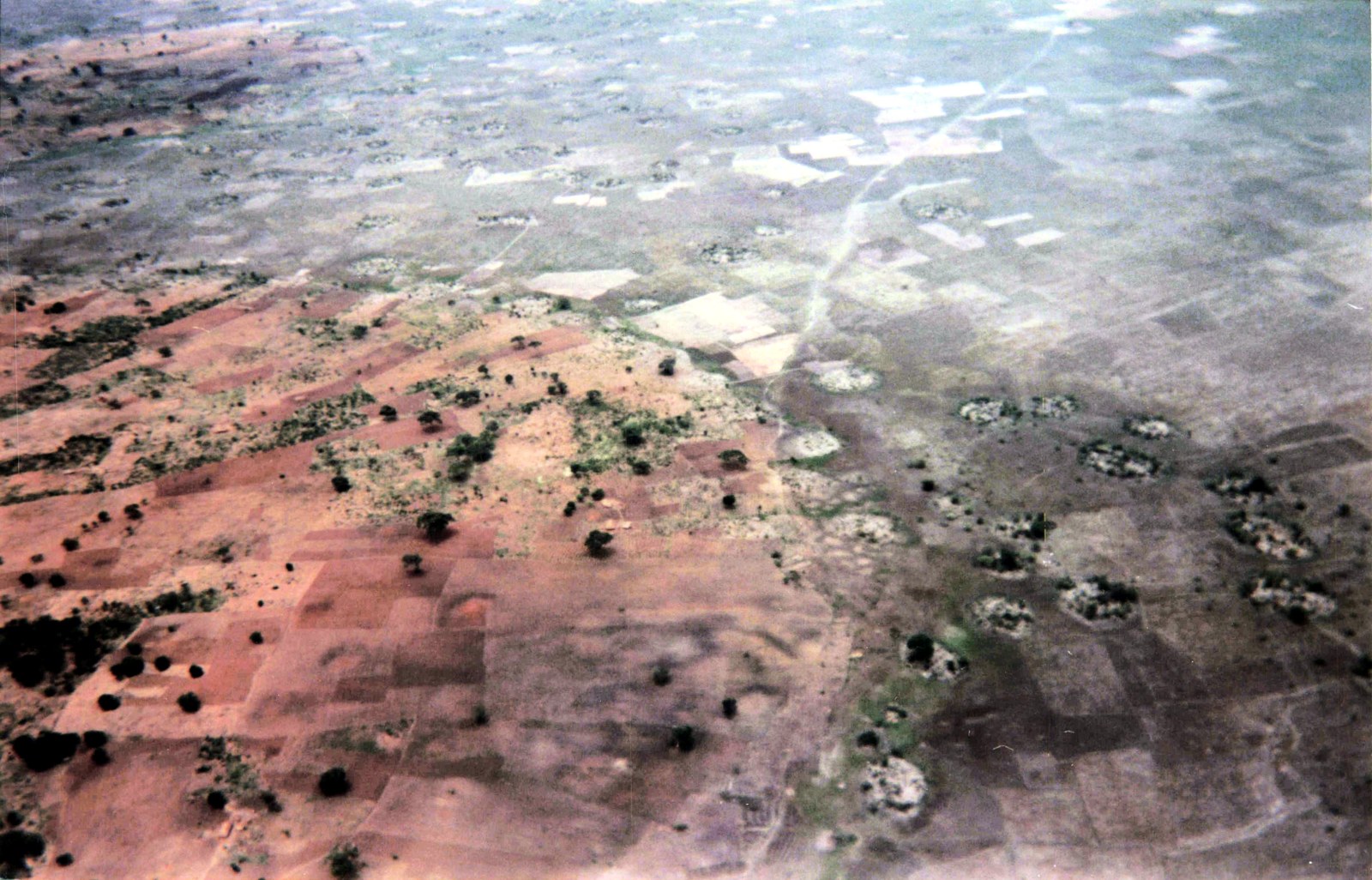
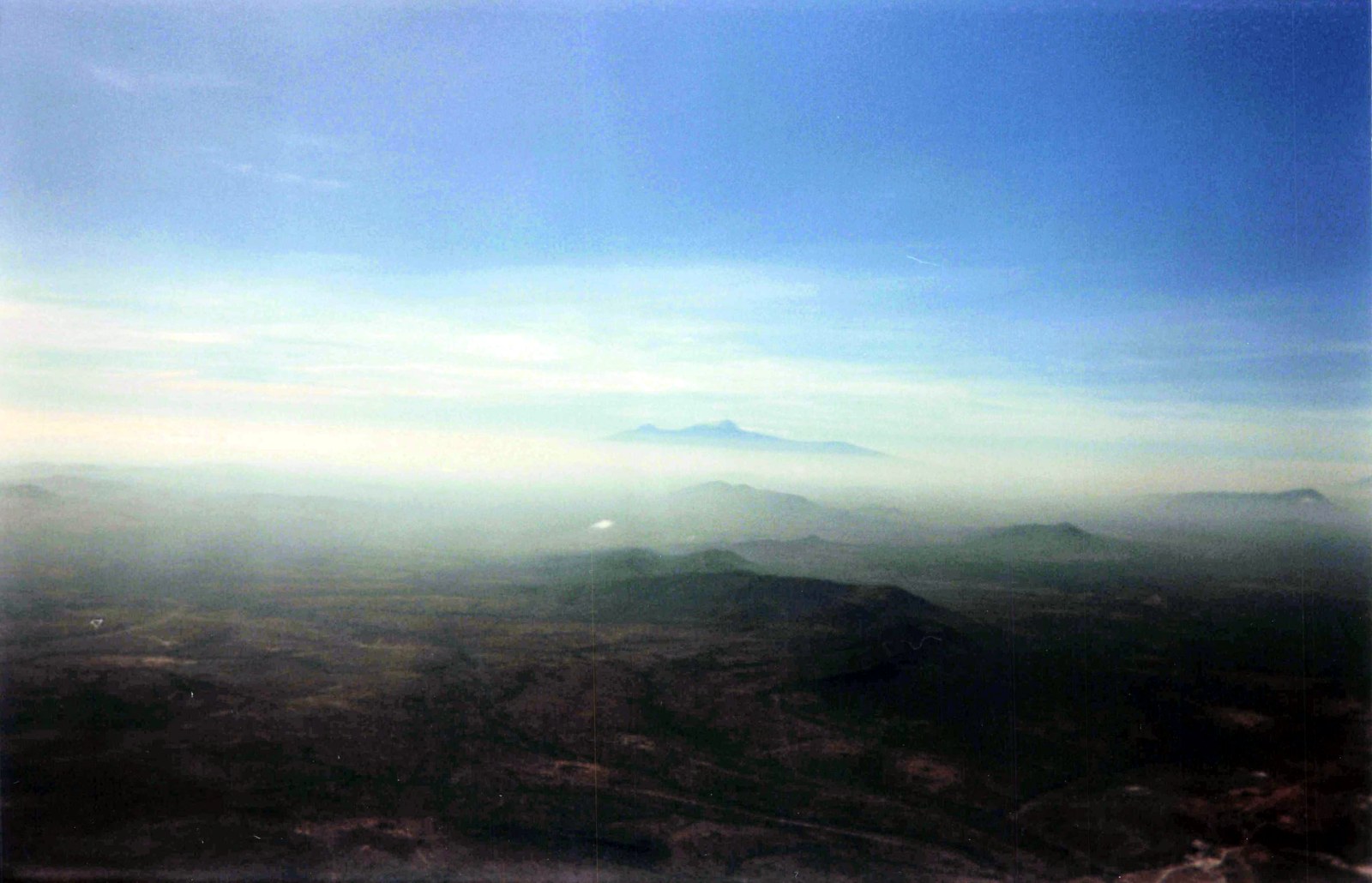
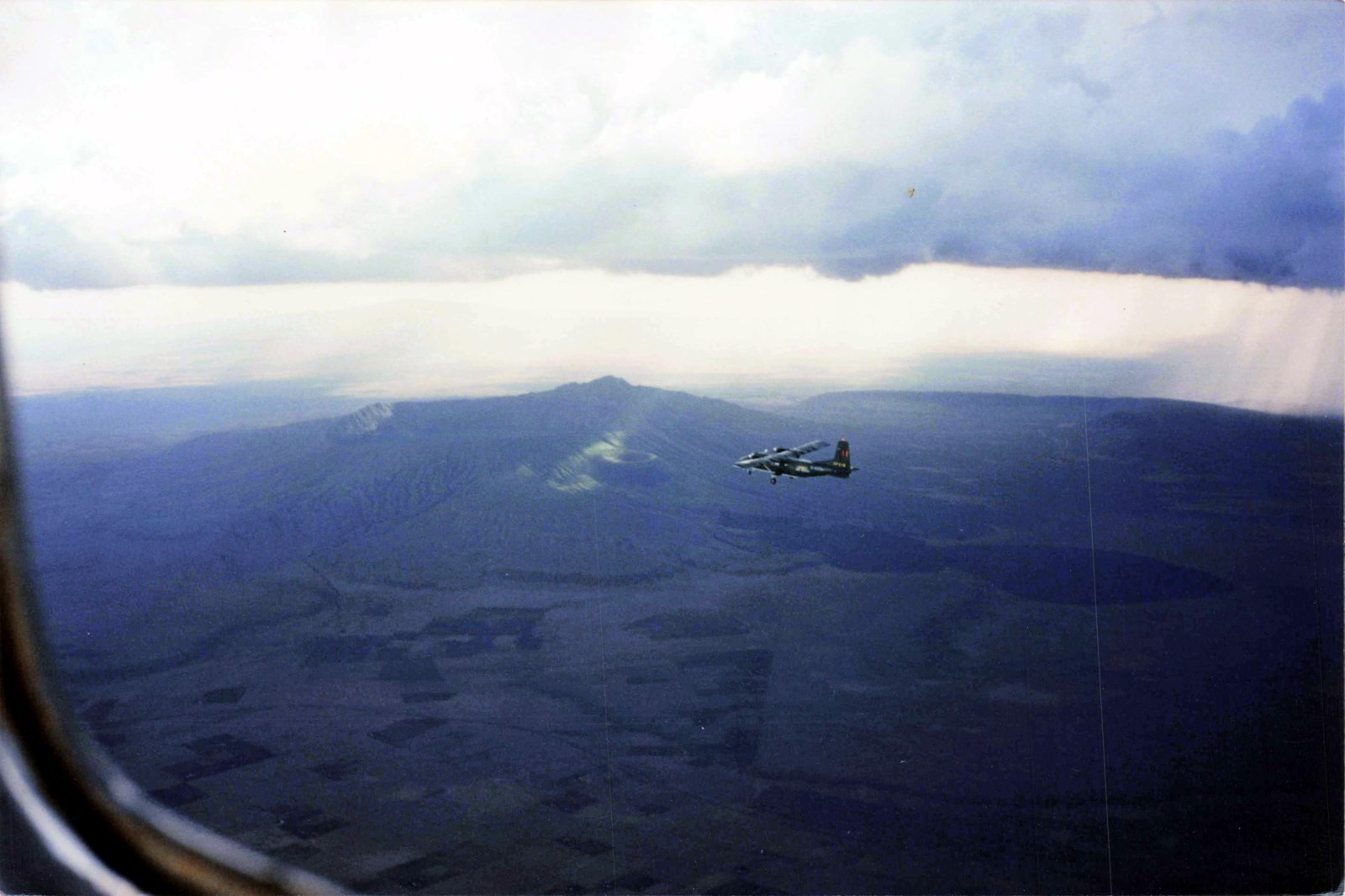
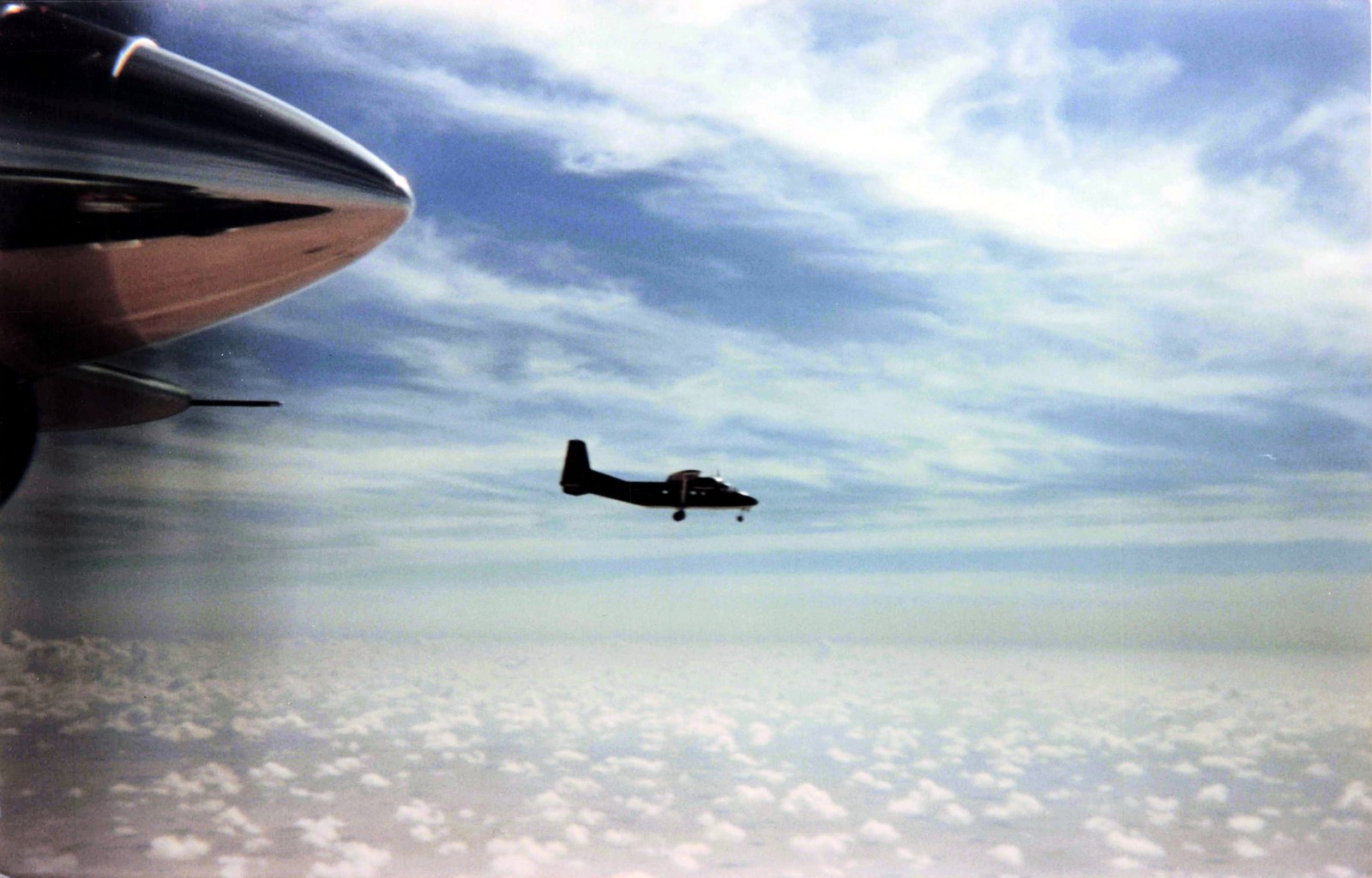
Kunming, China — picking up the airplanes, the Chinese completing the paperwork before handover.My mom and her captain, Swing Lindsey, at the airplane in Kunming — the start of the trip.B-600L on the ramp — registered to China on paper, but wearing Zambian Air Force AF 216 for delivery.Over the Hump — crossing the Himalayas, the same route the China-Burma-India crews flew in the war.The ramp at Calcutta — where a jeep came racing out to meet the crew.Small African villages along the way.Mount Kilimanjaro on the horizon.The sister ship, enroute.The sister ship in formation over the desert.Hand-pumping Jet A on the wing from the 55-gallon drums they carried along — a home-made fuel stop.Up on the wing at dusk — checking the oil.Aerial over Addis Ababa, Ethiopia — a wrecked airplane sits off the end of the runway.Muscat — my mom by the Oman Aviation bus.The crew during a fuel stop along the route.Landing at Kasama, Zambia — a red-dirt strip with thunderstorms stacked behind it.Both Y-12s on the red-dirt ramp at Kasama.The welcome arrival in Zambia — Cokes, orange sodas, and a toast with the crew.
Generation 4
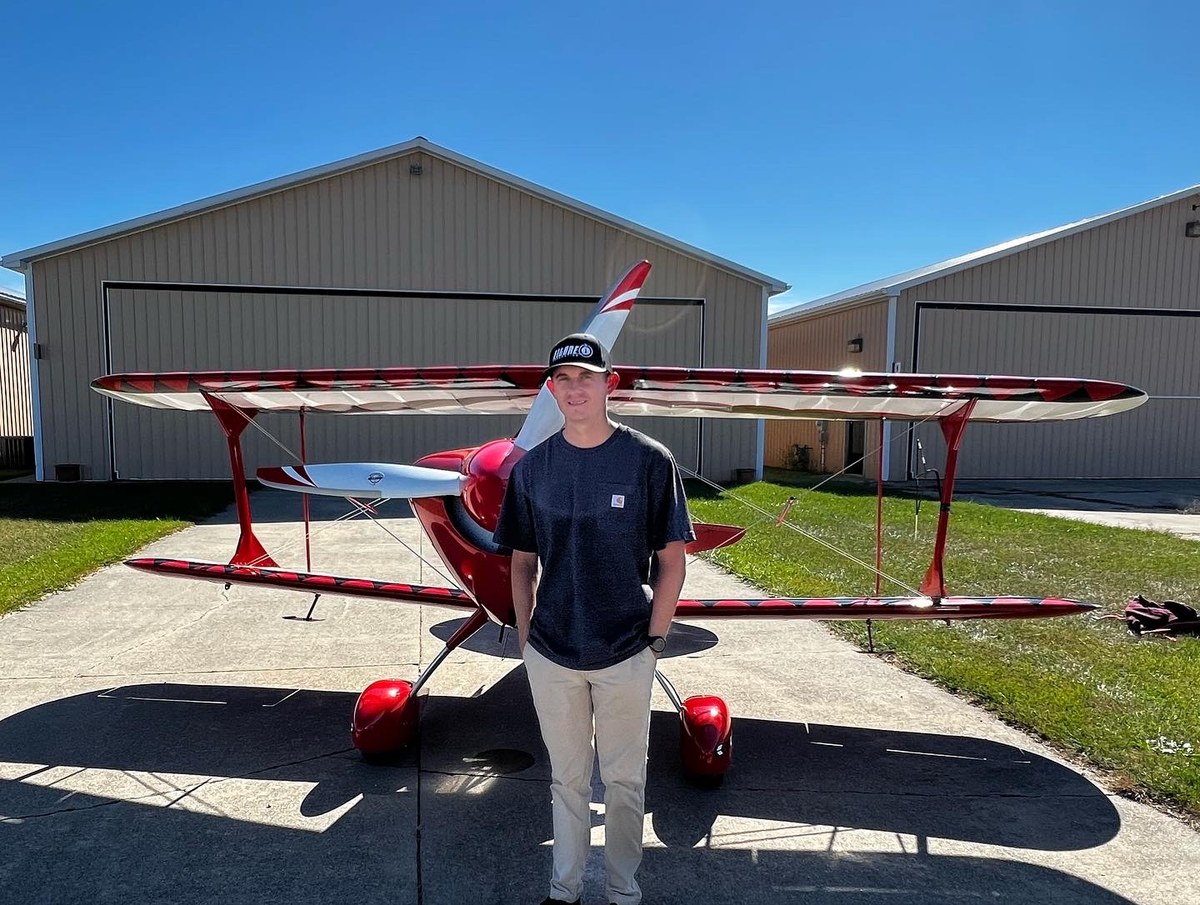
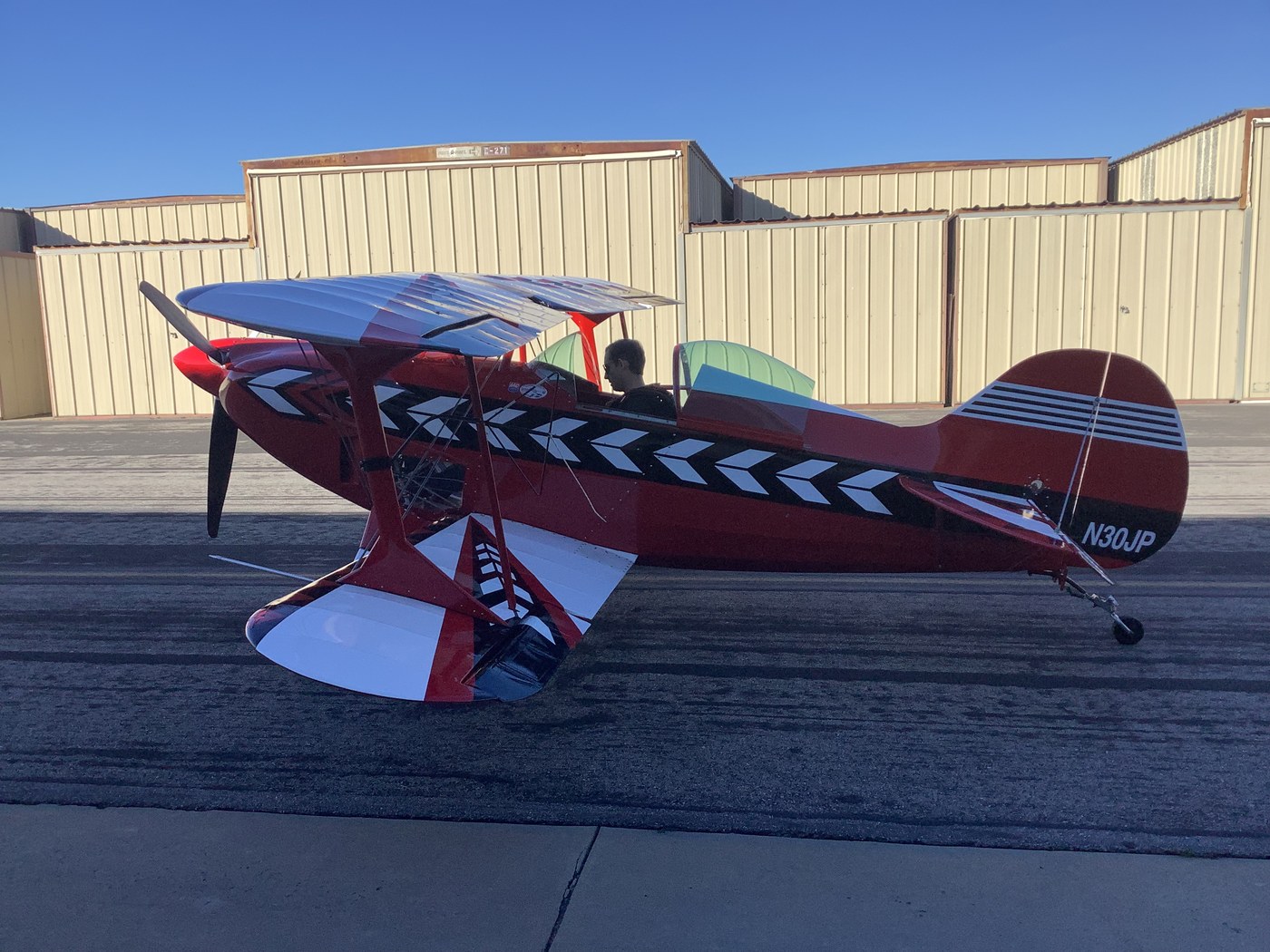
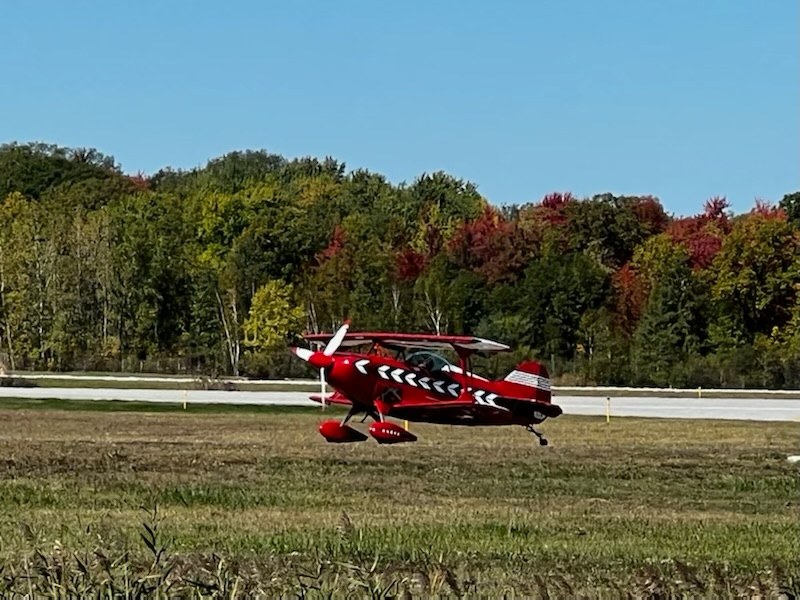
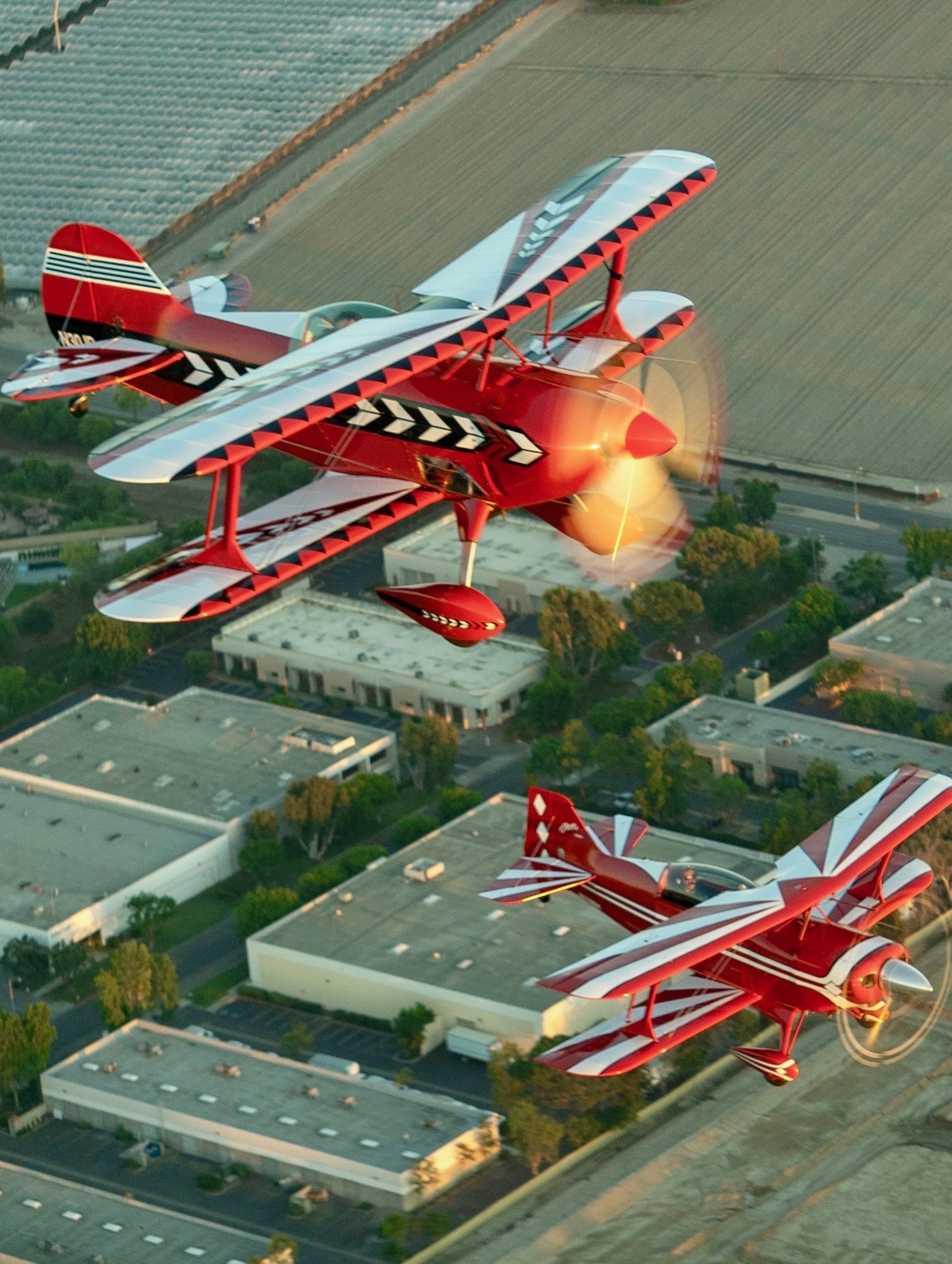
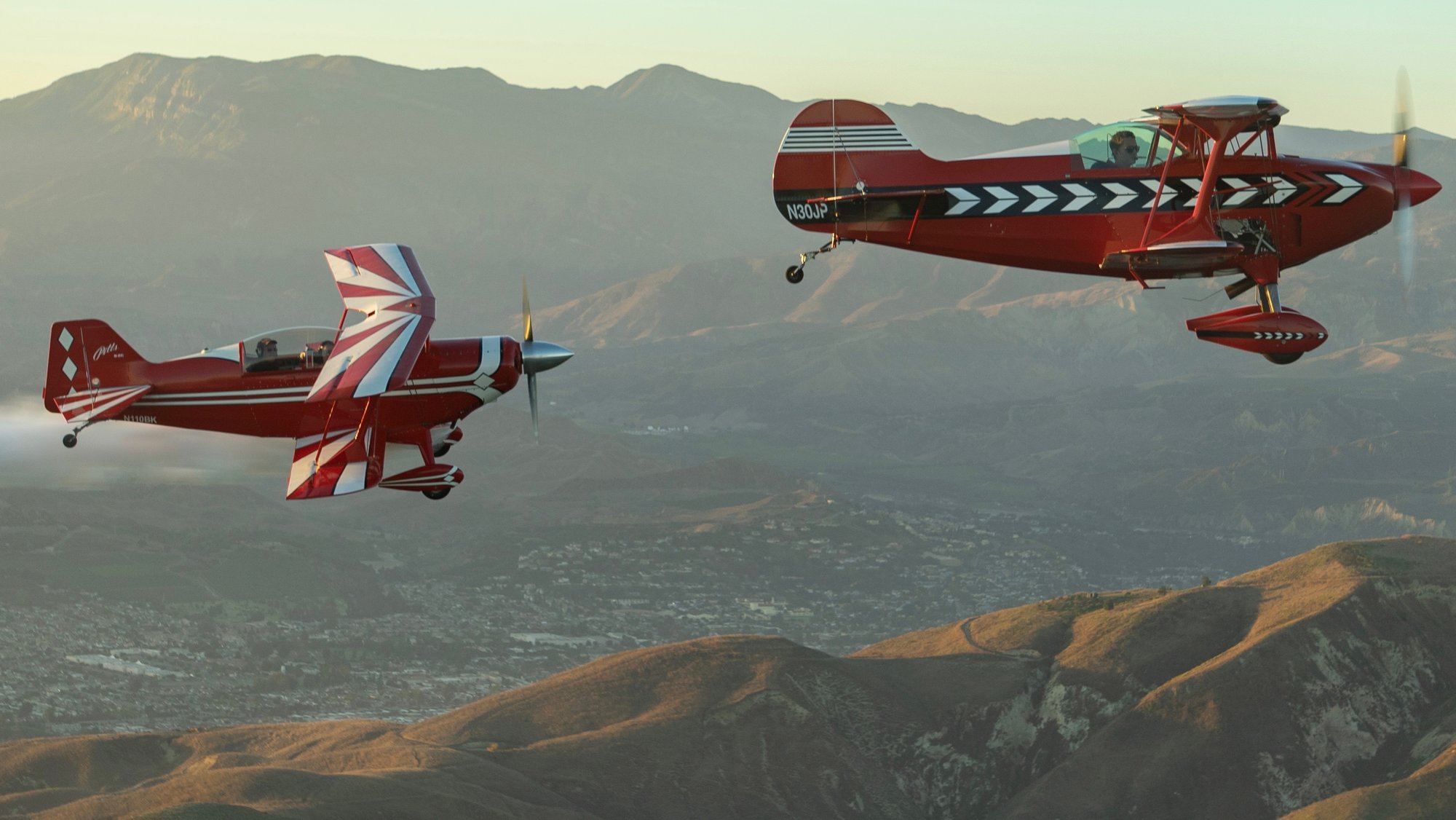
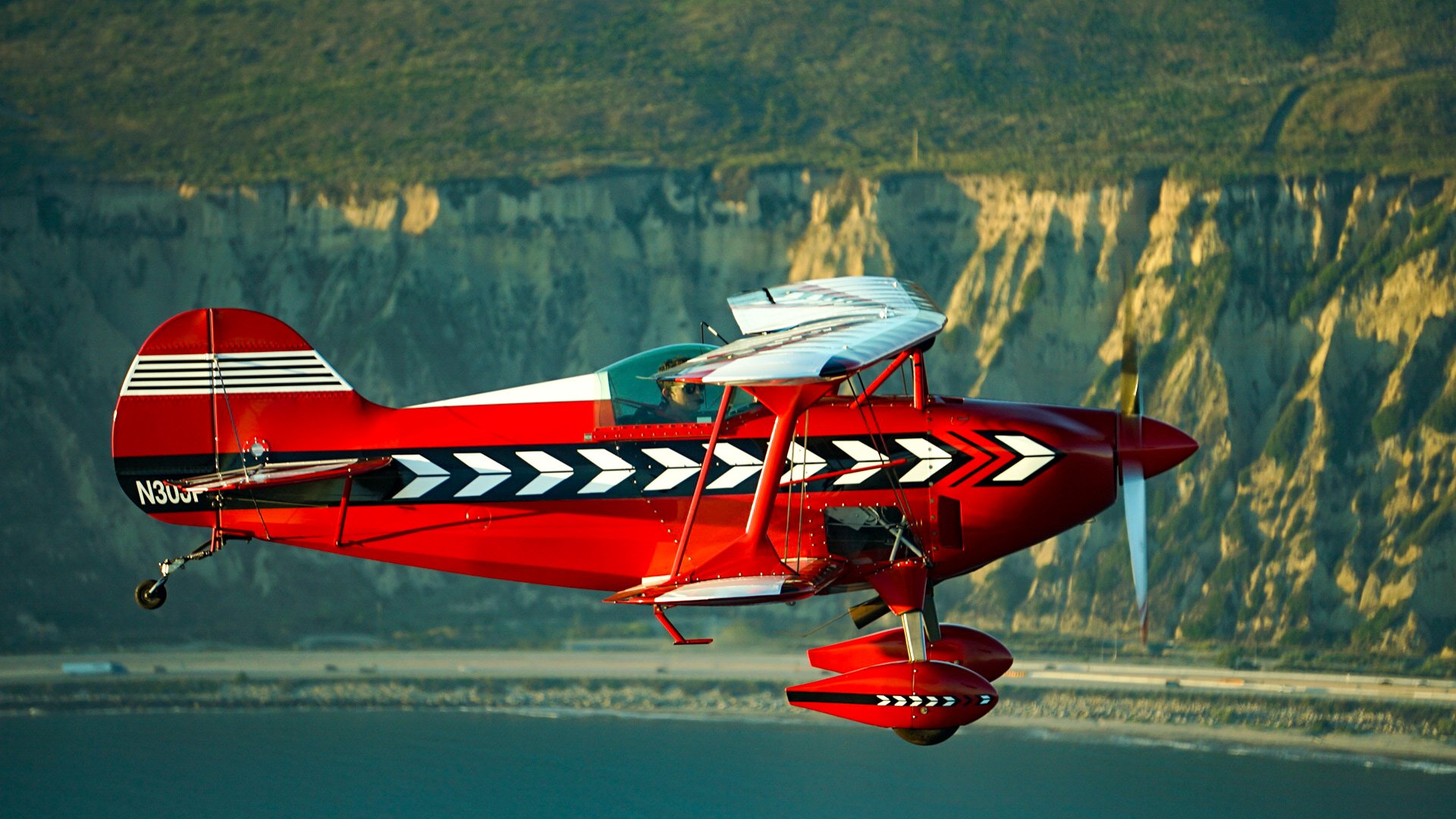
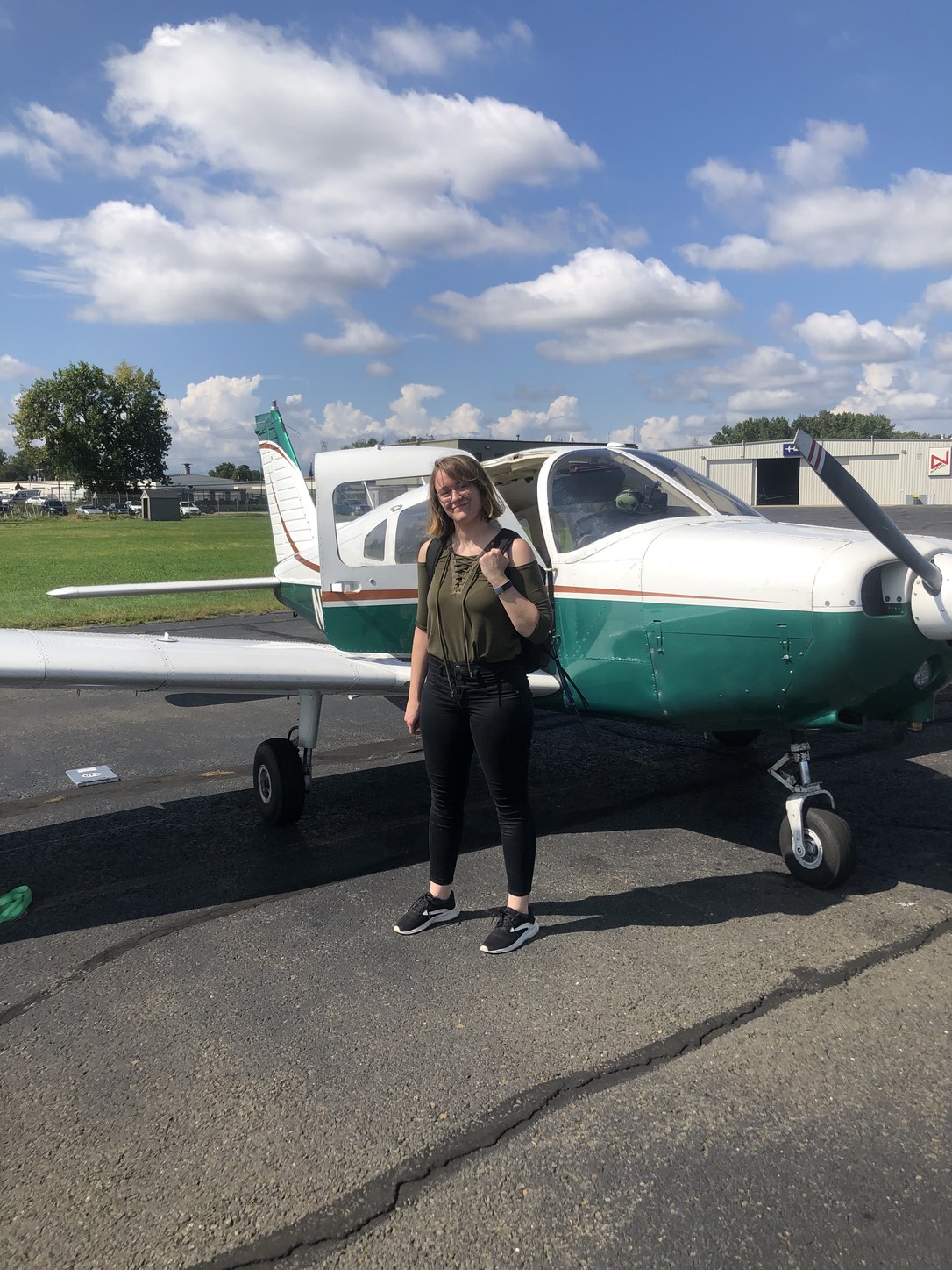
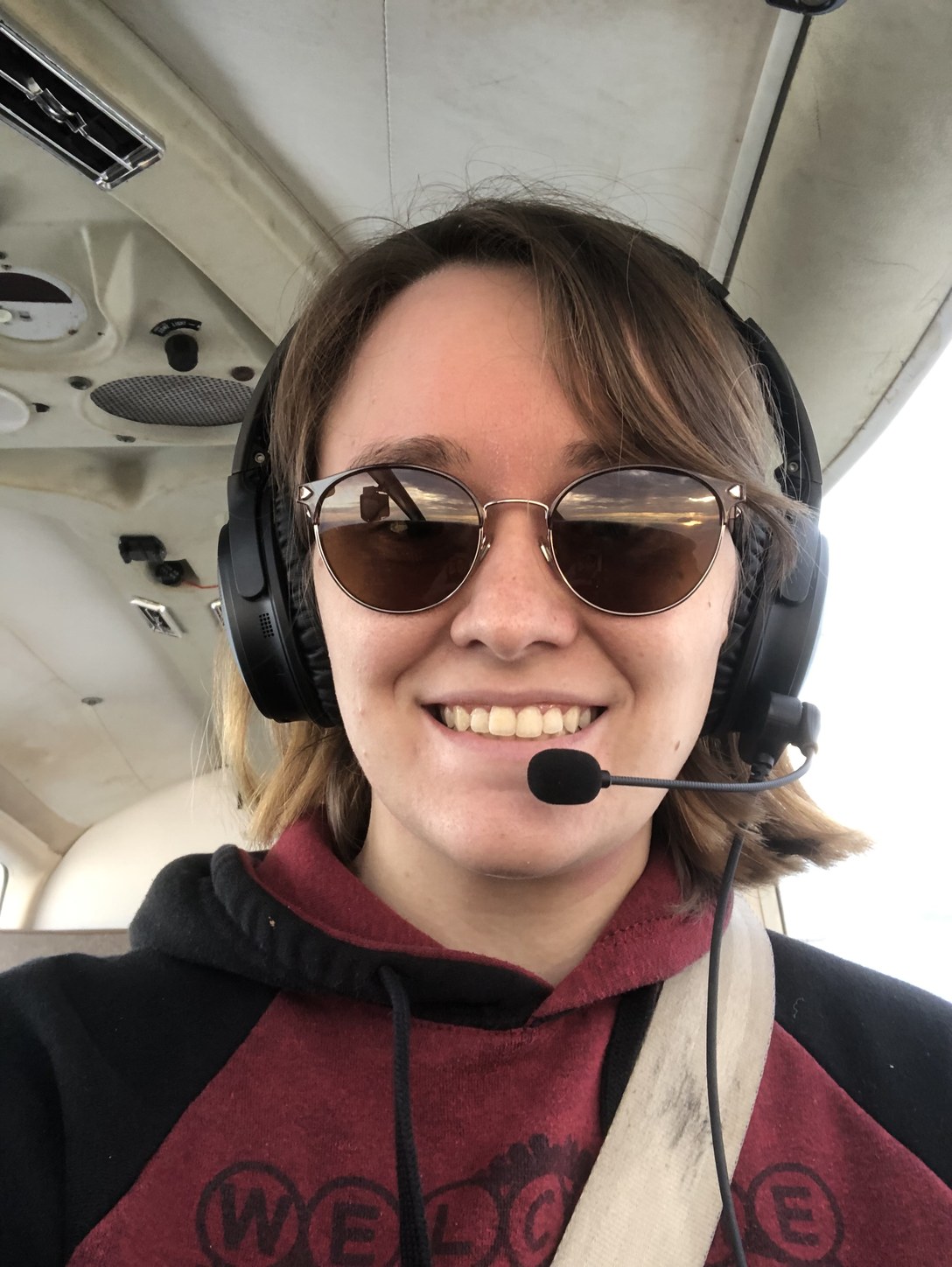
My cousin Connor — regional-airline CRJ Captain by day, Pitts S1B aerobatic pilot on weekends. My cousin Alicia — working through her ratings and building time, with her sights set on Atlas Air, where her dad Scott flies. And me — paused for college, will pick it back up someday.
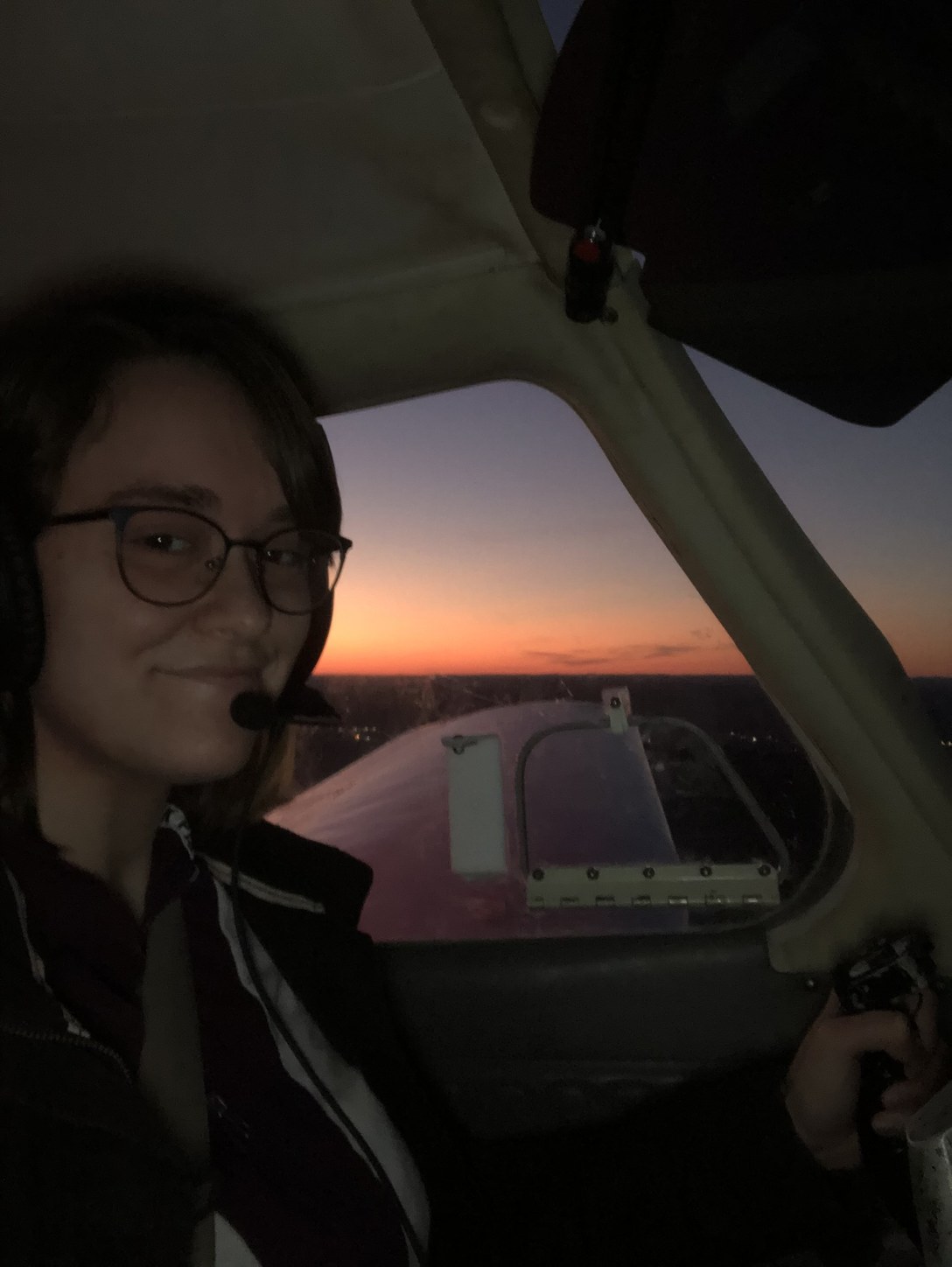
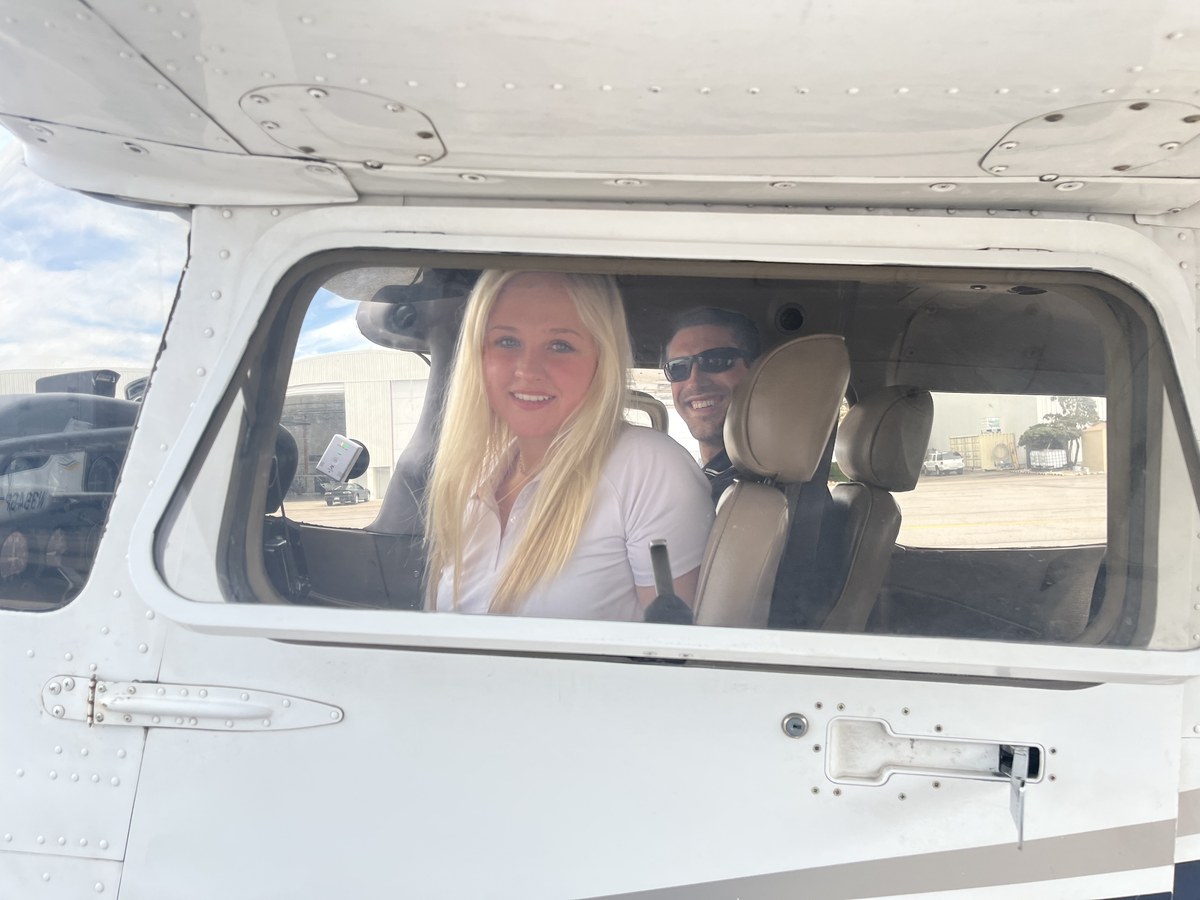
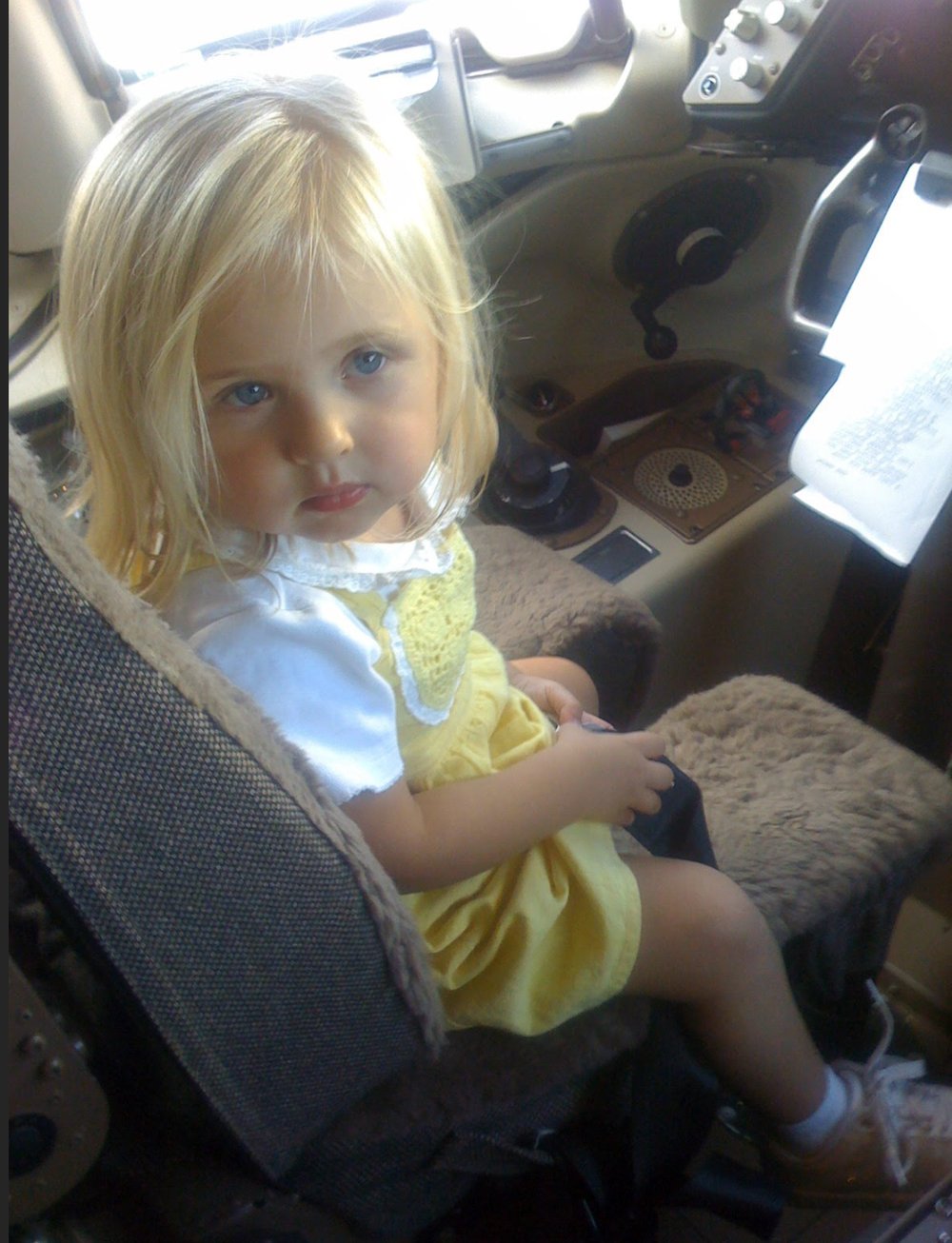
My cousin Connor with his Pitts S1B.Connor aboard the Pitts — N30JP, chevrons and all.Taxiing in after the cross-country delivery flight — Connor flew the Pitts home himself the day he bought it.Connor in N30JP over his buddy Jason's Pitts — two biplanes, one golden-hour frame over Camarillo. Photo: Alex CywanThe two-ship over the valley — Jason leading, Connor in N30JP. Photo: Alex CywanN30JP along the Ventura County coast at golden hour. Photo: Alex CywanMy cousin Alicia with the Cherokee — building time, one flight at a time, toward the freighters her dad flies.Alicia at work — headset on, sunset caught in her sunglasses.Night flying comes with the ratings. Alicia airborne at last light, hand on the yoke.Me, on my first flight lesson — March 2022.Me, much earlier — in the B757 captain seat as a toddler. The cockpit is family scenery growing up.
The Cabin Crew — taking care of the back of the airplane
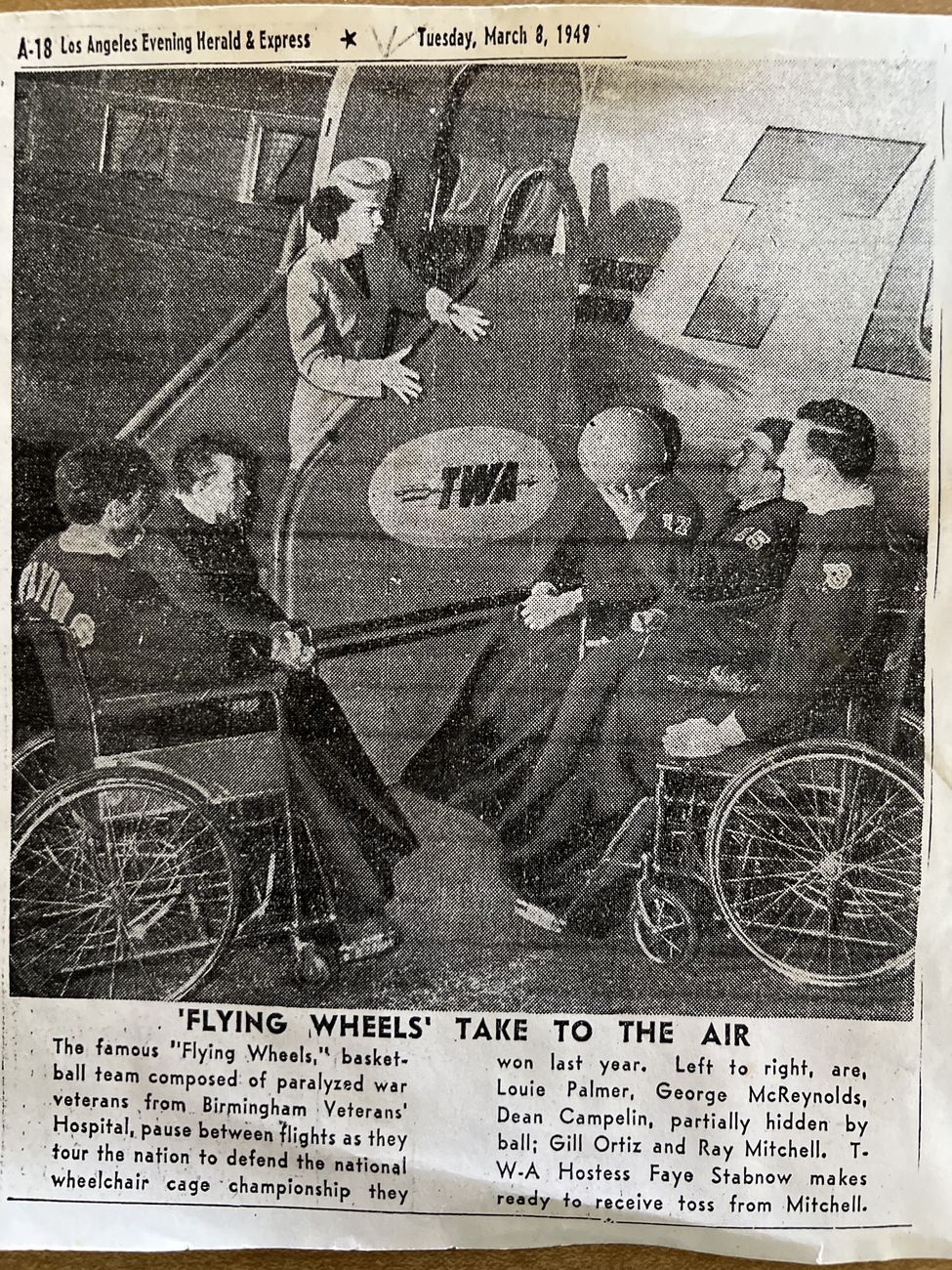
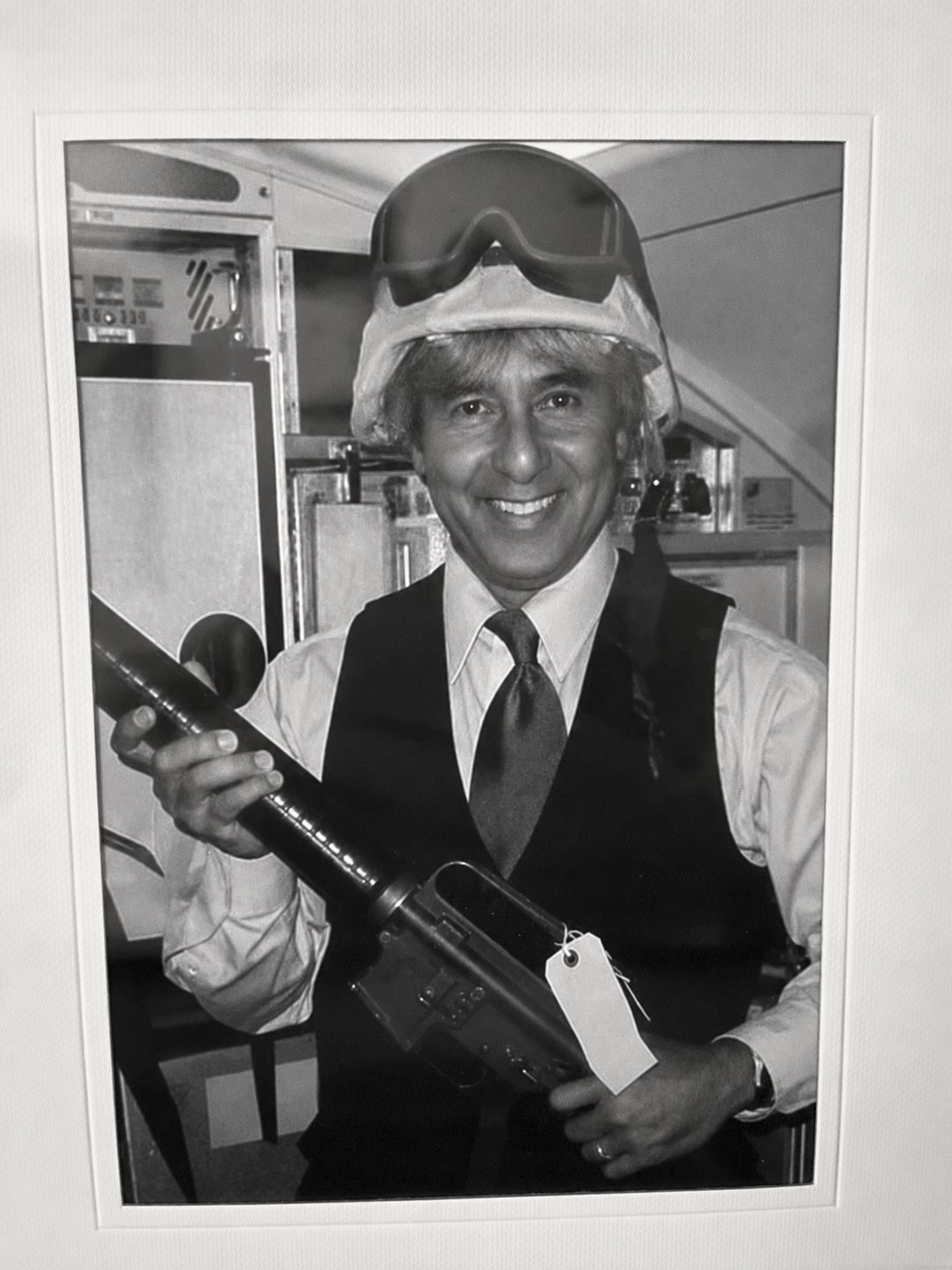
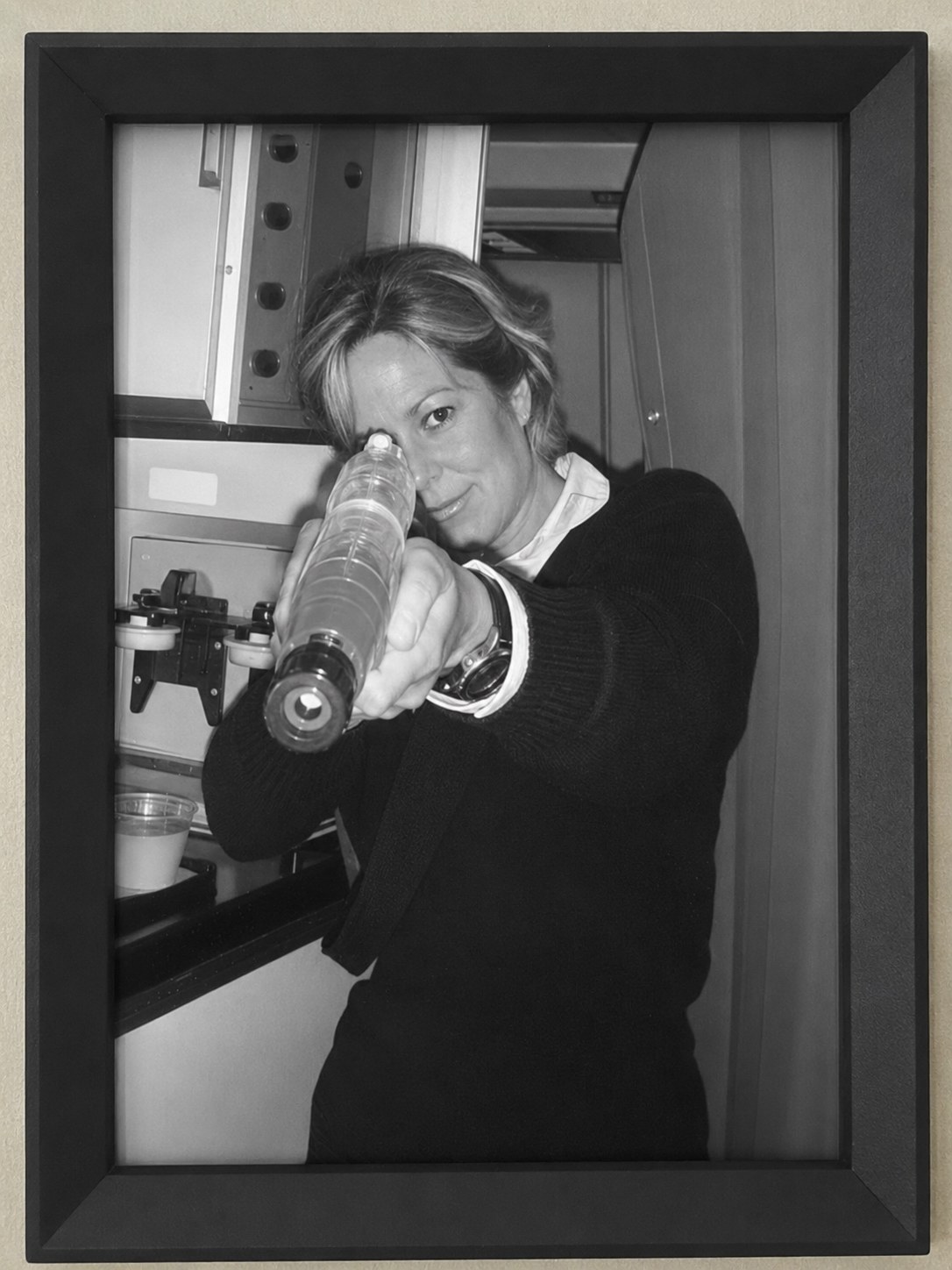
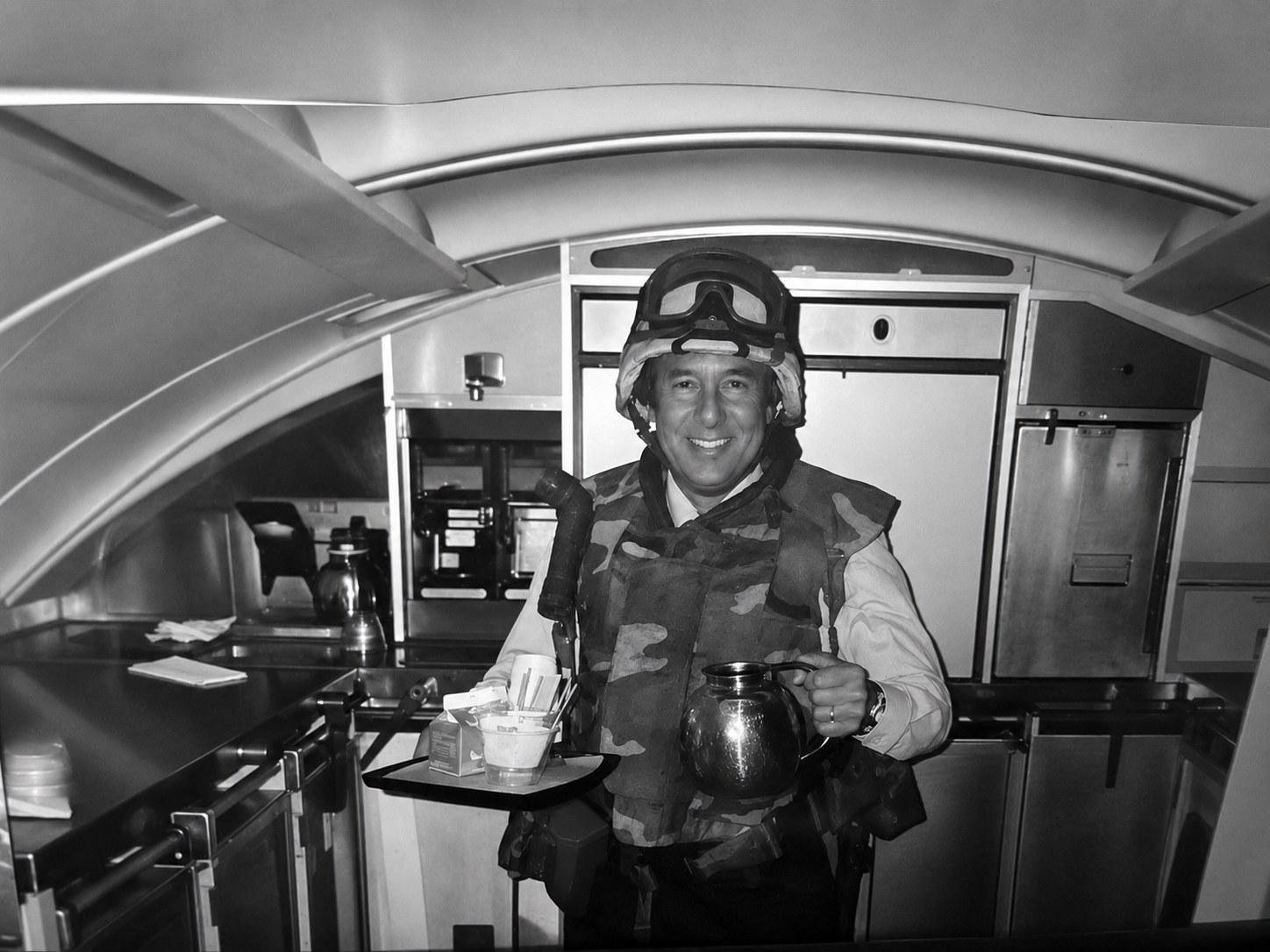
Not everyone in this family sat up front. From a TWA hostess in 1949 to my cousins working military charters today, the family has been taking care of the passengers in the back for almost as long as it's been flying the front.
Los Angeles Evening Herald & Express, March 8, 1949. TWA Hostess Faye Stabnow — later Faye Brown, my grandfather's aunt, after she married Beverly's brother, United Captain Perry Brown — makes ready to receive a toss from the 'Flying Wheels,' the national-champion wheelchair basketball team of paralyzed war veterans, touring the country by TWA to defend their title.My cousin Jamie, flight attendant, on a military charter — a service member's rifle, tagged and checked, gets a careful hand in the galley.My cousin Tina, flight attendant, holding down the galley on a military charter — improvising with the equipment on hand.Coffee service, combat-ready. Jamie borrows a helmet and flak vest for the trip up the aisle.